New PGOM of Marbella approved. What will change in the real estate market?

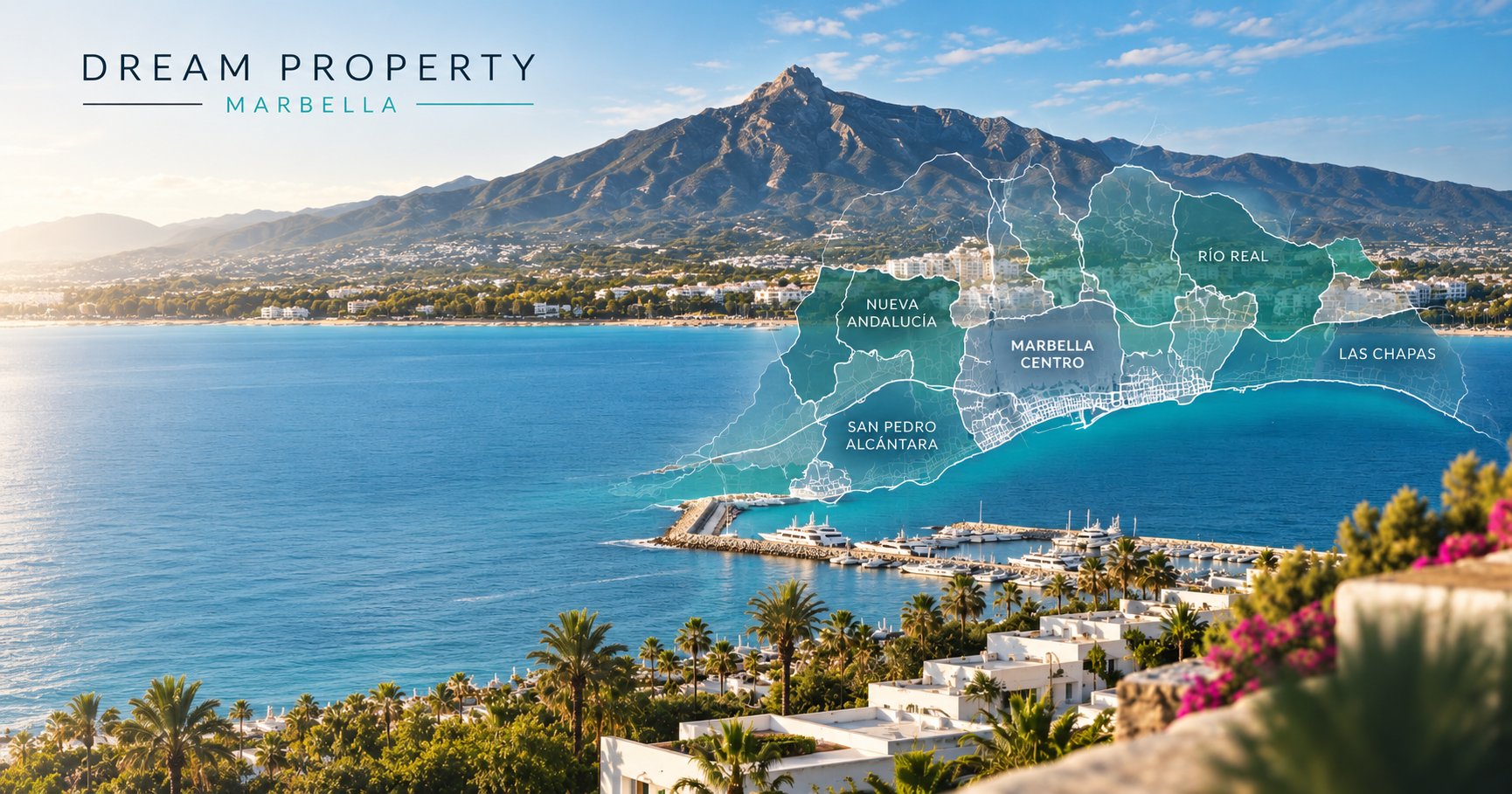
Marbella begins a new stage of urban development. On September 18, 2026, the city finally approved the new General Municipal Planning Plan (PGOM): the first general plan in Andalusia adapted to the current LISTA law. The new document replaces the previous system based on the 1986 plan in terms of general planning.
For the real estate market in Marbella, this is a significant event. However, it does not mean that all the areas indicated in the plan will become immediately available for development. PGOM primarily sets the direction for the city’s development, while detailed land use rules will be subsequently defined, among others, by the Urban Planning Plan (POU) and specific urban procedures.
What will you find in the article?
- What does the new PGOM change in Marbella?
- More development opportunities, but also new requirements
- Arroyo Segundo: one of the most important new development areas
- La Vizcaína, La Víbora, and El Alicate: a new wave of development in the east
- What does the new PGOM mean for existing properties?
- Río Real and Marbella East also gain importance
- Nueva Andalucía: development of the existing center
- Does the new PGOM mean a drop in real estate prices in Marbella?
- What does the new PGOM mean for investors in Marbella?
What does the new PGOM change in Marbella?
One of the most important changes is the increase in the area classified as suelo urbano, i.e., urban land. The new PGOM covers about 53 million m² of suelo urbano, whereas the 1986 plan provided for about 40 million m². At the same time, about 64 million m² remains classified as suelo rústico (rustic land). However, these data should not be interpreted as “53 million m² of new building plots.” Suelo urbano also includes existing urban fabric, already transformed areas, and some undeveloped fragments located within the existing city structure. This is an important distinction for investors analyzing the potential of specific plots.
More development opportunities, but also new requirements
The new urban model of Marbella assumes complementing the existing city structure instead of uncontrolled urban sprawl. For new construction projects, a 20% allocation for so-called “vivienda asequible” (affordable housing) is planned, i.e., housing affordable in price according to categories defined in the regulations.
In selected large projects, the requirements may be even more specific. An example is Arroyo Segundo, where the planned development foresees about 1,330 dwellings, of which 532, approximately 40%, are to have the status of protected housing.
This means that future development projects in Marbella will be increasingly linked to the city’s infrastructure, public space, services, and housing policy.
Arroyo Segundo: one of the most important new development areas
One of the most concrete projects is Arroyo Segundo, located between La Cañada, La Ermita, and Bello Horizonte. The area covers approximately 365,000 m² and foresees about 1,330 dwellings, new road connections, green areas, services, and a permanent trade-event center. An ATU procedure (urban transformation procedure) is currently underway for this area.
For the real estate market, not only the number of new dwellings matters. The project is intended to supplement the existing city structure and improve connections between La Cañada, A-7, Bello Horizonte, Albarizas, and the industrial zone of La Ermita. It is precisely such projects that may change the character of particular parts of Marbella in the coming years.
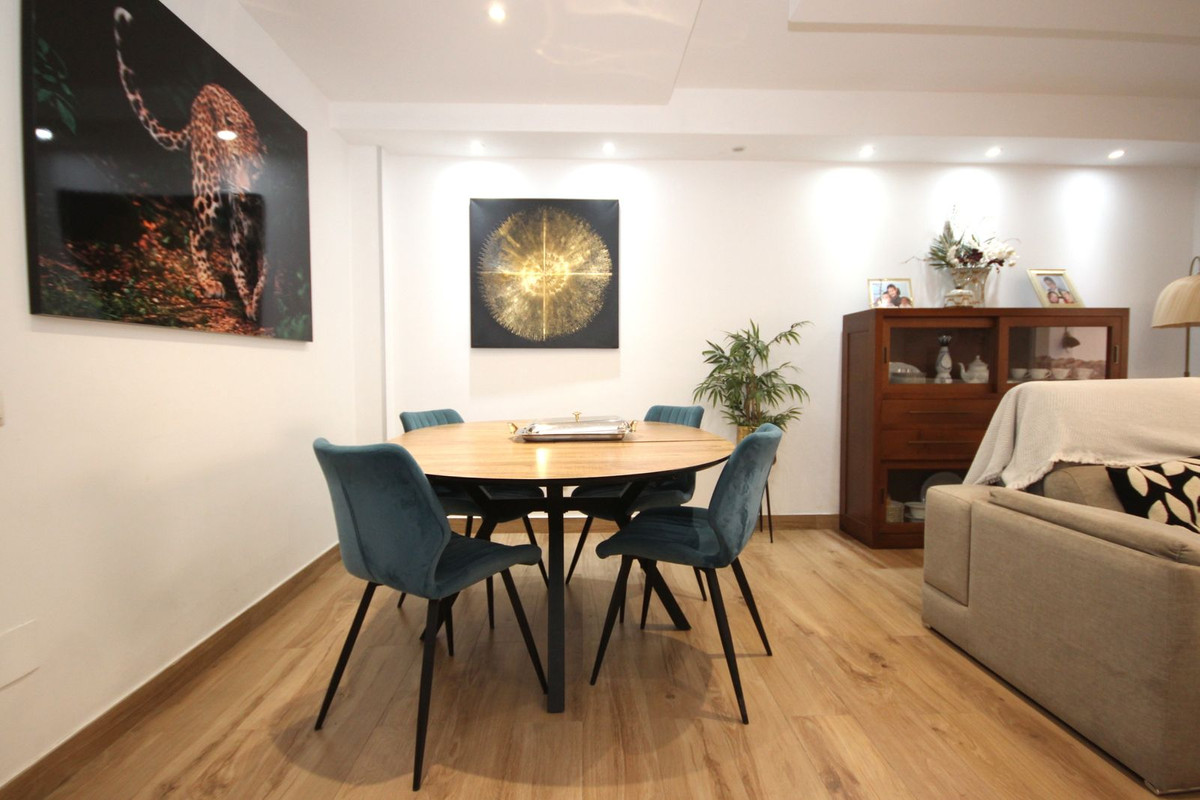
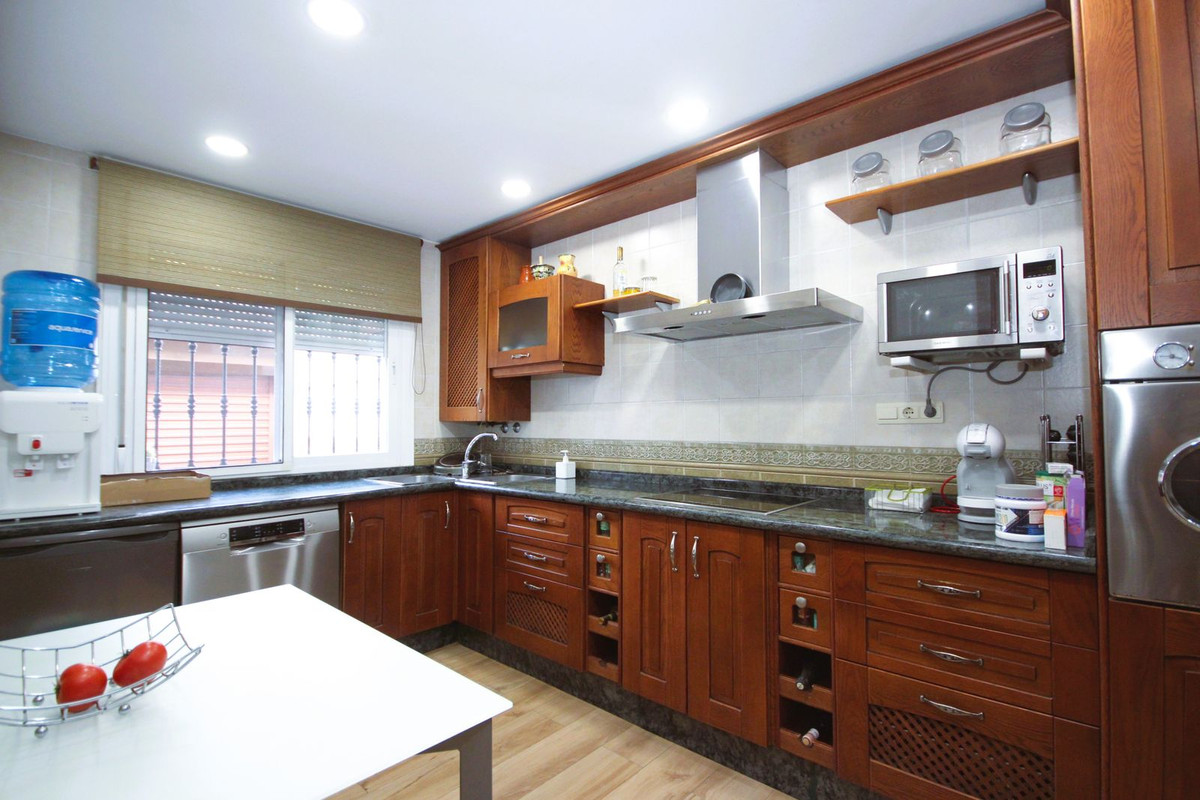
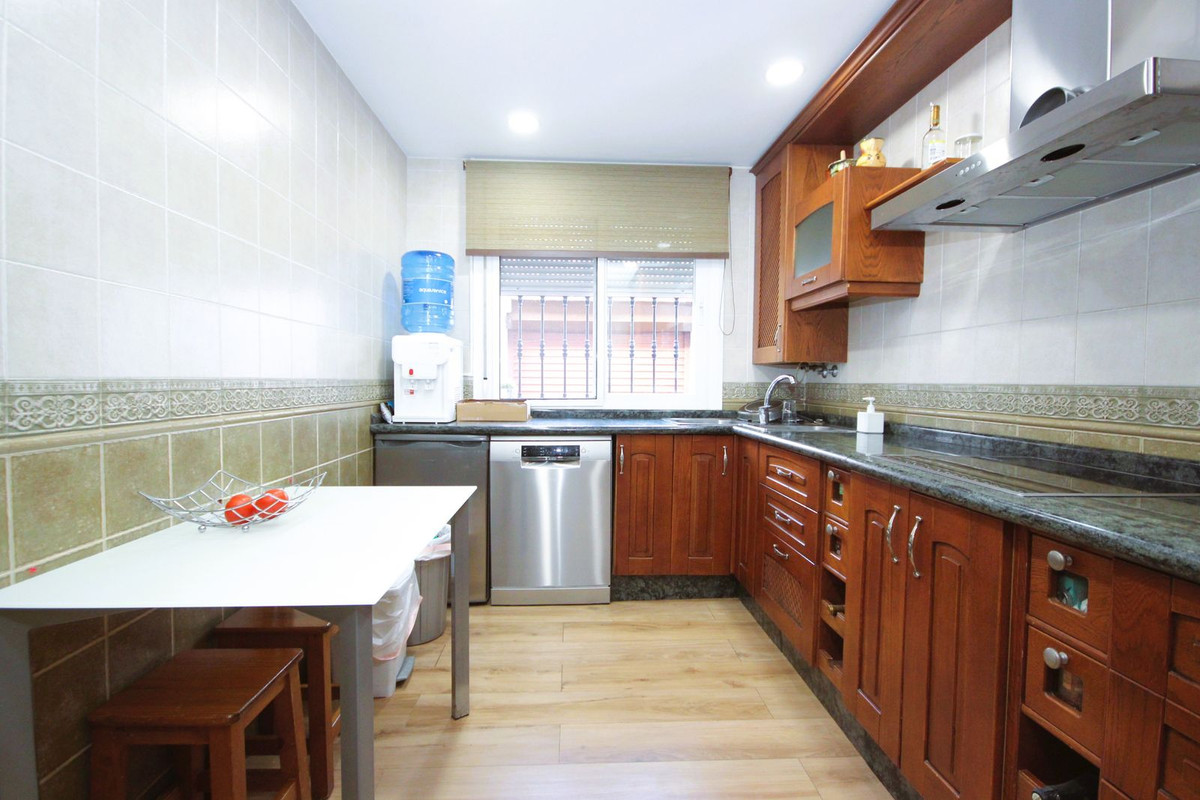
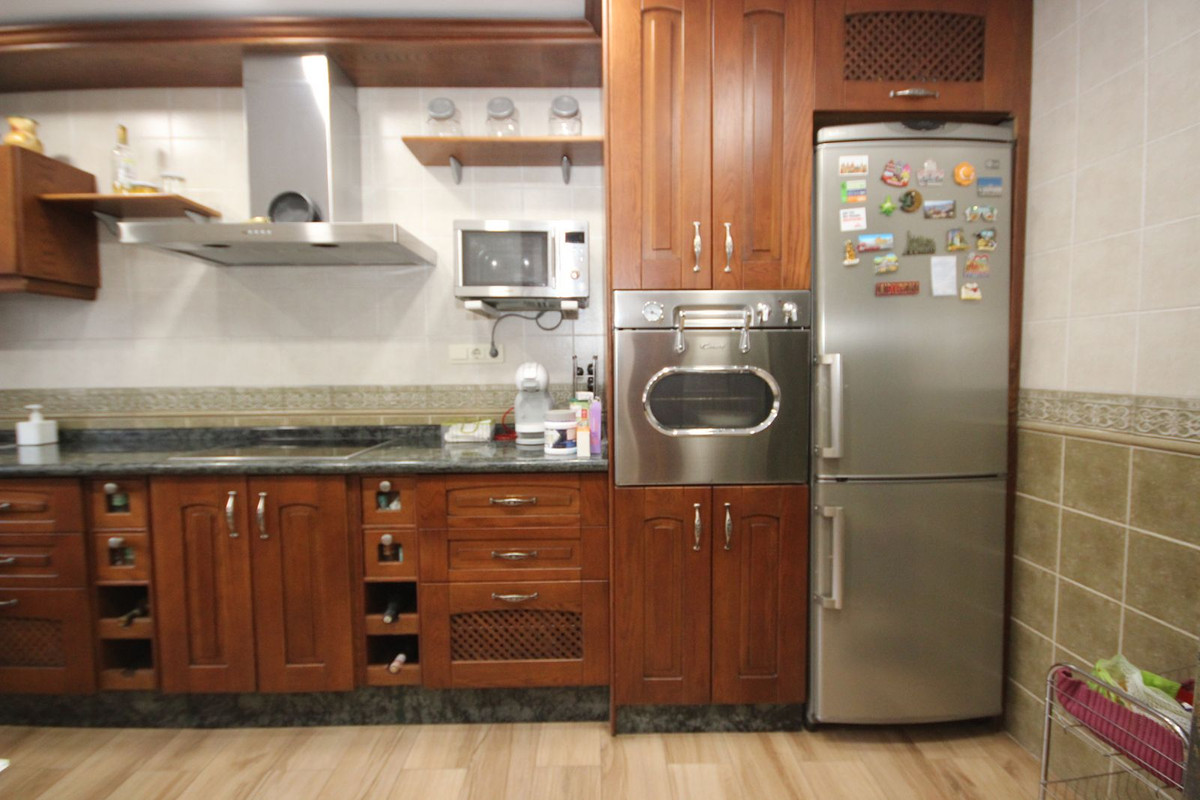
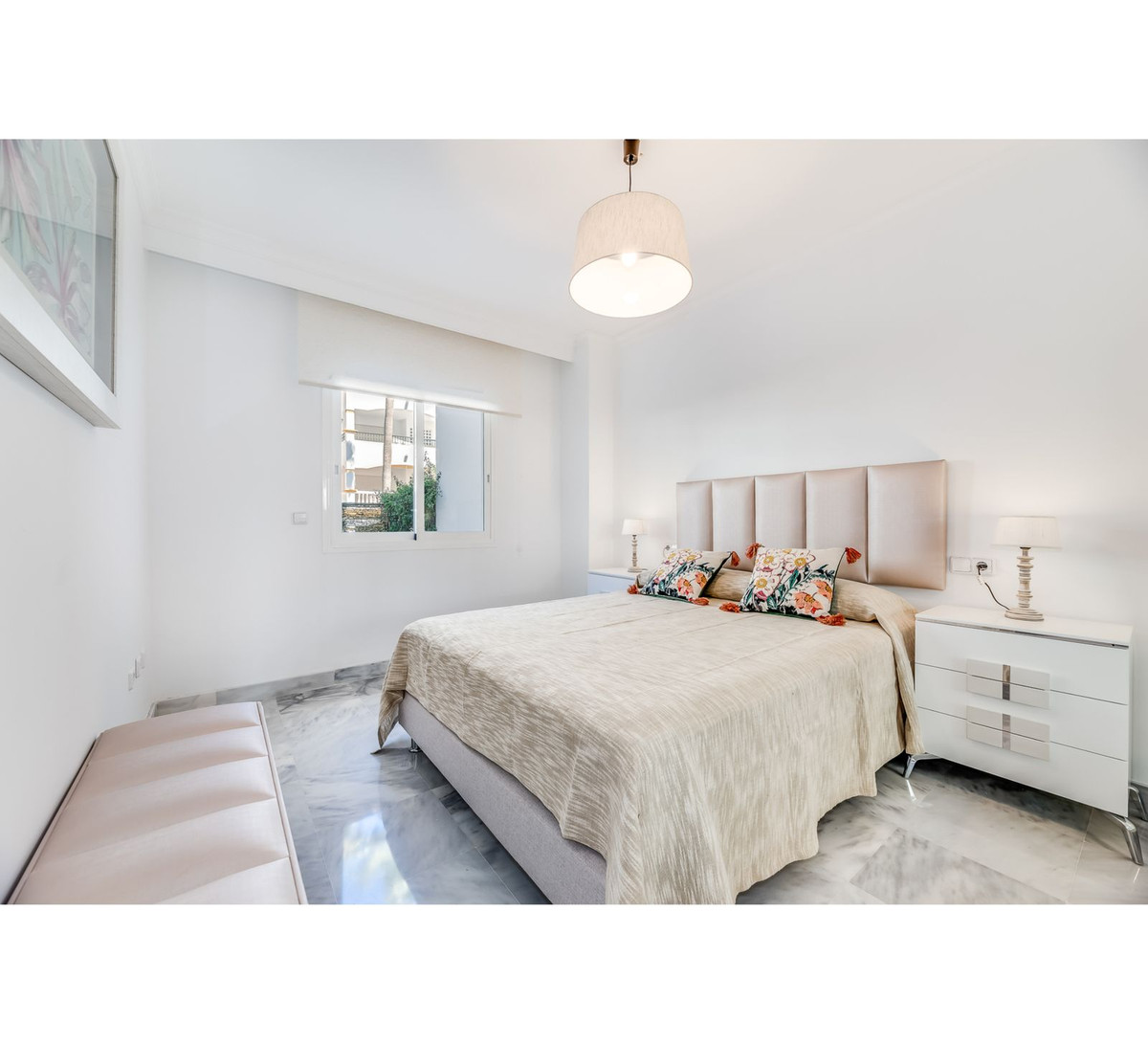
Featured Properties
See more



La Vizcaína, La Víbora, and El Alicate: a new wave of development in the east
A particularly interesting element of the new plan is the areas La Vizcaína, La Víbora, and El Alicate – La Paz – Arroyo Sequillo. In 2026, the city conducted separate procedures for these areas regarding the delimitation of actions related to urban transformations. On September 17, their delimitation was approved in a way that allows further development of these areas. According to city information, this concerns about 3 million m² in total, with the potential to create even about 6,500 dwellings. However, this process will require further planning and infrastructure stages. So this is not a “next year” perspective. It is rather a long-term structural change in the eastern part of Marbella.
What does the new PGOM mean for existing properties?
The new plan is also significant for owners of existing properties. The city points to about 18,000 dwellings which, due to historical urban problems, ended up outside full planning regularity. The new PGOM creates a basis for further organizing their situation, although it does not mean automatic legalization of every property.
For buyers, this means that for older properties or those located in areas with complicated urban history, analysis of legal and urban status remains absolutely crucial.
Río Real and Marbella East also gain importance
The new PGOM strongly emphasizes the development of the eastern part of the city: Río Real, Realejo, Siete Revueltas, and Las Chapas.
In Río Real, in 2026, the reparcelation project of sector URP-RR-5 Golf Río Real 2ª Fase is already being processed, and at the same time, actions concerning infrastructure and urbanization are being conducted.
PGOM also foresees new parks and green corridors in the Arroyo Realejo and Siete Revueltas areas. This shows that eastern Marbella is not treated exclusively as an area for new residential estates. The plan also includes improvements to infrastructure, mobility, public spaces, and pedestrian connections.
Nueva Andalucía: development of the existing center
Changes also concern one of Marbella’s most recognizable areas, i.e., Nueva Andalucía. PGOM plans to strengthen La Campana as a local center, regenerate service and industrial areas, and develop the Guadaiza Oriental direction, which will complement the structure between La Campana and El Rodeo. The plan also foresees new green spaces and improvements to pedestrian and bicycle connections.
At the same time, in 2026, infrastructural efforts are being carried out, including the removal of six high-voltage poles and burying about two kilometers of lines in Nueva Andalucía.
Does the new PGOM mean a drop in real estate prices in Marbella?
There is no basis to interpret the mere change of the urban plan as a sign of a price drop. The new PGOM may increase the chances of new dwellings being built, but the process from land classification to a completed investment involves further stages of planning, infrastructure, agreements, urbanization, designs, and permits.
For an investor, more important than the information that “more urban areas have appeared” will be the question: is a specific plot or property located in an area where the urban transformation process is already advanced? This is the difference between the potential recorded in the plan and the project that can actually be realized.
What does the new PGOM mean for investors in Marbella?
The new PGOM should be treated as a map of Marbella’s development direction for the coming decades, not as a list of plots where construction can be started immediately.
For an investor, three levels of analysis will be particularly important:
- location and current urban status of the property;
- its position relative to new development areas, infrastructure, and green spaces;
- the stage of advancement of specific urban activities.
Marbella now has a new planning document, but its true significance will be assessable mainly by how individual areas and infrastructure are implemented in the coming years. For those planning to buy property on the Costa del Sol, this means that Marbella’s map has just changed, and it is worth learning to read it.
[Sources: Ayuntamiento de Marbella, Nuevo Plan Municipal, PGOM documentation, and Public Information Portal]