Nota simple – how to check the legal status of a property in Spain

Purchasing property in Spain is not just about checking the location, price, and technical condition. Before signing the contract and paying the deposit, it is worth making sure who owns the property, what rights are established on it, and whether it is encumbered by a mortgage, embargo, or other restrictions.
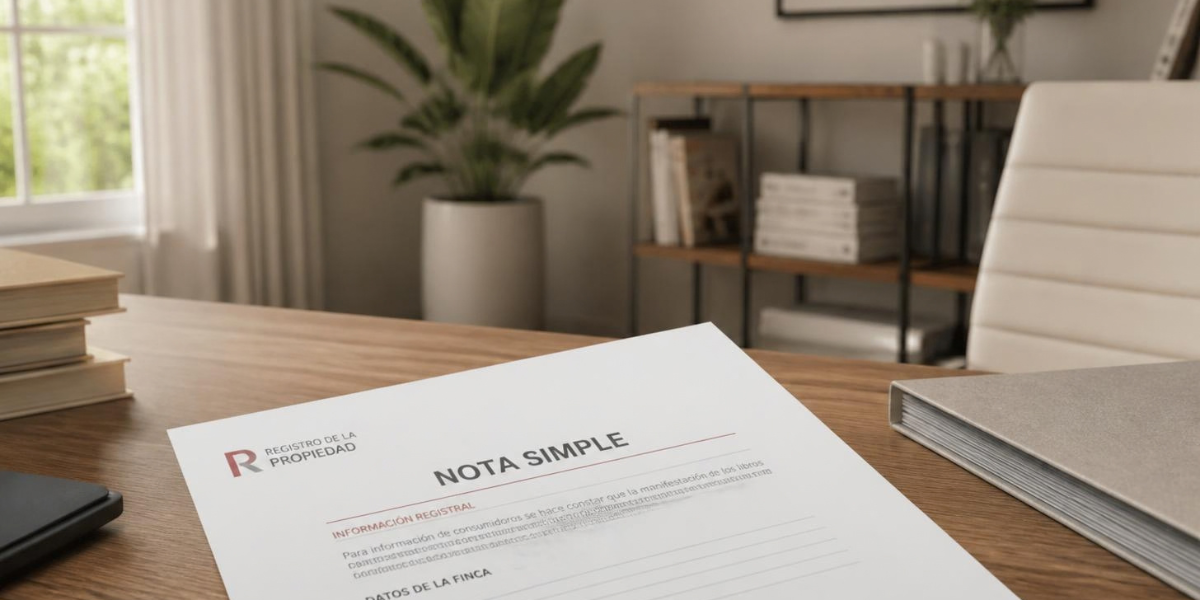
The basic document that allows checking this information is the nota simple from the Registro de la Propiedad, that is, the Spanish Property Registry.
What will you find in the article?
- What is a nota simple and where does it come from (Registro de la Propiedad)
- What exactly you will find in the nota simple — ownership, description, encumbrances
- Nota simple informativa vs certificación: difference and when which is needed
- How and where to order the nota and how much it costs
- What the nota simple DOES NOT show: community debts, urban planning, tax arrears
- Nota simple and the arras contract: why it should be checked before paying the deposit
- Red flags in the nota: mortgage, embargo, easement, VPO
- FAQ
- What is a nota simple in Spain?
- How much does a nota simple cost and how long to wait?
- What is the difference between a nota simple and certificación registral?
- Does the nota simple show debts to the homeowners’ community?
- Who should order the nota, buyer or seller?
- Does the nota simple guarantee that the property has no legal defects?
What is a nota simple and where does it come from (Registro de la Propiedad)
Nota simple informativa is a document issued by the competent Registro de la Propiedad. It contains the basic information found in the registry about a specific property: its identification, owner or owners, and recorded rights, restrictions, and encumbrances.
For the buyer, it is one of the most important documents during the property documentation verification stage. It allows, among other things, to answer the question of how to check the owner of a property in Spain and whether the person offering the property is indeed registered as its owner.
The nota simple may include, among other things, the finca registral number or CRU (Código Registral Único), cadastral reference, property description, owner data, and information about rights and encumbrances.
It is worth remembering that the nota simple has an informative nature. It is not a public document that binds the content of the entries in the Registro de la Propiedad. Such a function is performed by the certificación registral.
What exactly you will find in the nota simple — ownership, description, encumbrances
The nota simple allows checking several key elements regarding the property.
Ownership: the document indicates the person or persons registered as owners, as well as the scope of the rights granted to them, e.g., full ownership, co-ownership, or usufruct, i.e., usage rights.
Property description: here you will find basic data identifying the property, its location, and registry description. Depending on the property, information regarding area, intended use, or other features recorded in the registry may appear.
Property encumbrances: this is one of the most important parts of the document. The nota simple can reveal, among other things, mortgage, lien, easement (servidumbre), or other third-party rights and restrictions regarding the property.
Therefore, before purchase, it is worth checking not only the owner’s name but the entire section regarding encumbrances and restrictions (cargas y limitaciones).
Nota simple informativa vs certificación: difference and when which is needed
Both documents come from the Registro de la Propiedad, but they have different legal force.
Nota simple informativa primarily serves to obtain information about the current status of registry entries. It is obtained quickly, free of charge (at the office) or relatively cheap (online about €9), and in a typical real estate transaction often constitutes the first stage of verification.
Certificación registral is a public document signed by an official from the property registry. It confirms the content of the entries and is the proper document to formally show the legal status to third parties. Spanish law regarding mortgage loans indicates that the absence or existence of encumbrances with respect to a third party may be demonstrated by the certificación del Registro.
In practice, in standard property analysis, one often starts with the nota simple, whereas in situations requiring formal confirmation of legal status, the certificación registral may be needed.
How and where to order the nota and how much it costs
The nota simple can be ordered online via the Colegio de Registradores de España or directly at the Registro de la Propiedad. It is possible to search for the property by CRU number, cadastral reference, registry data, and in certain cases also by address and other location data.
The official fee indicated by the Colegio de Registradores is currently €9.02 per property, excluding taxes. An English translation of the nota simple is available for an additional fee of €30 excluding taxes.
When submitting the application, a justified interest in obtaining the information must also be indicated, as registry data is subject to specific access rules.
Featured Properties
See more





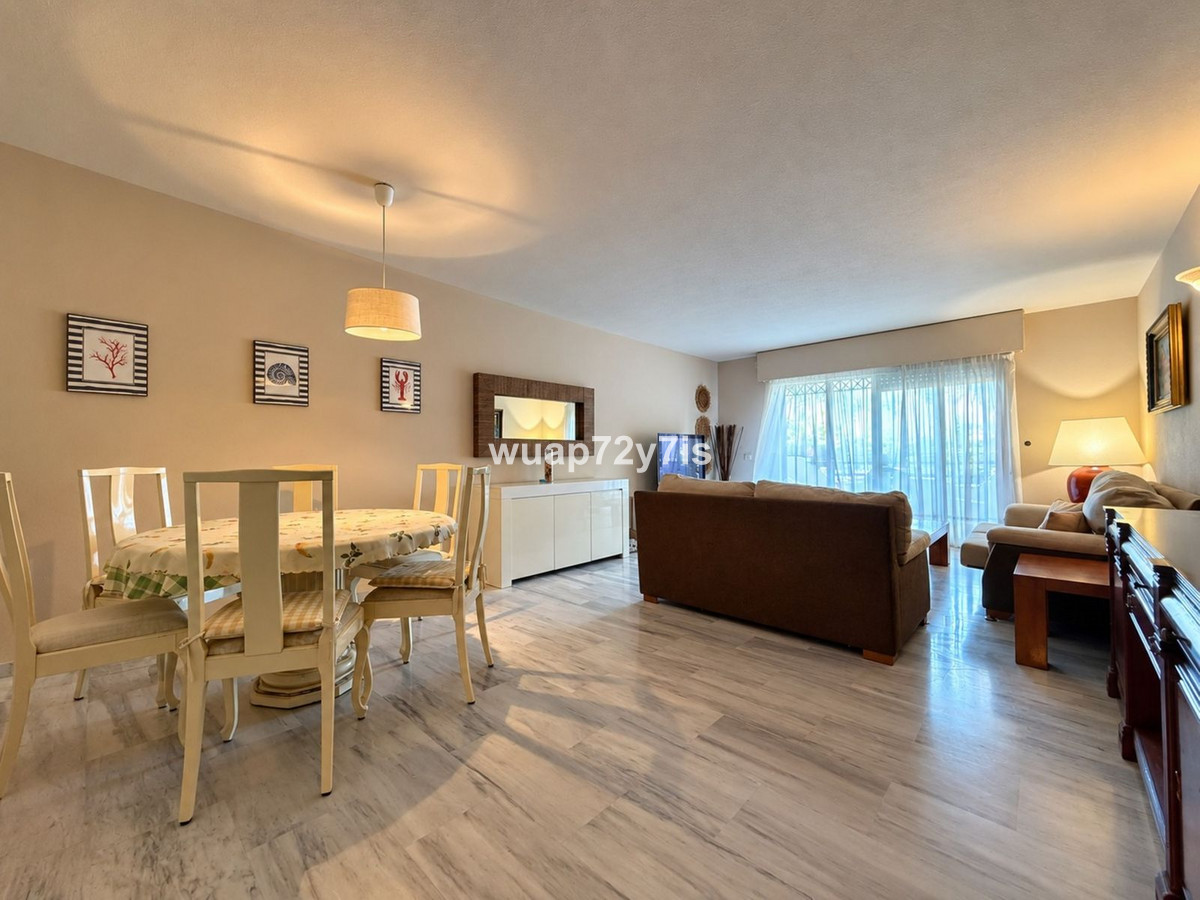
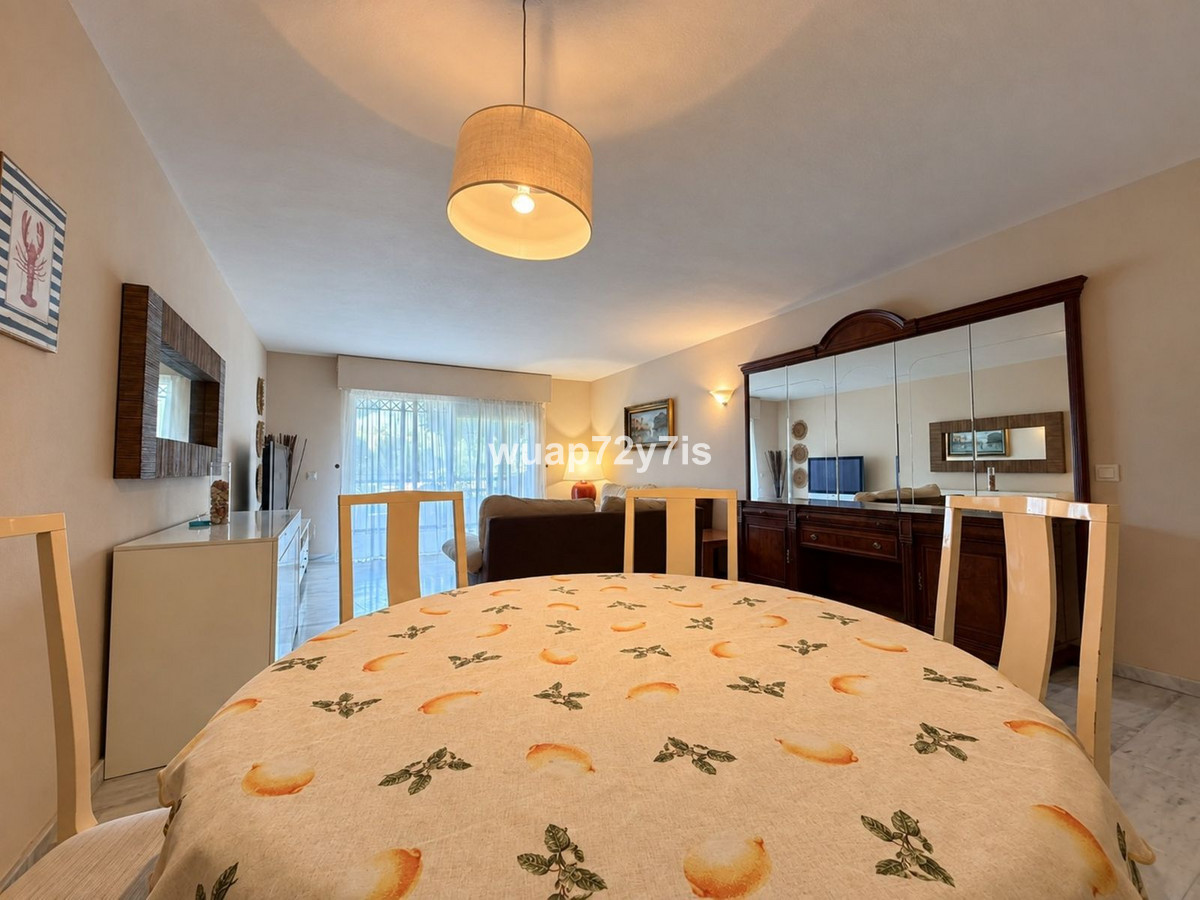
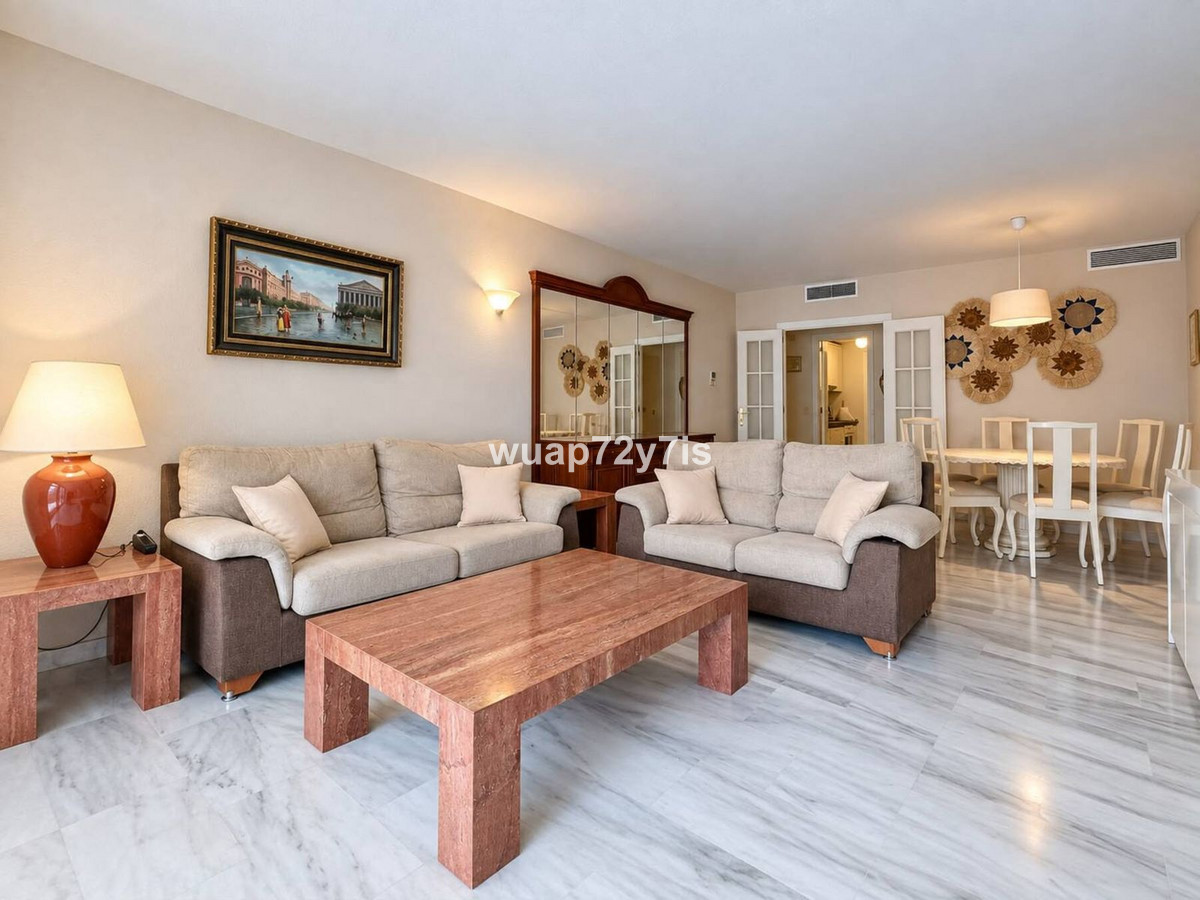


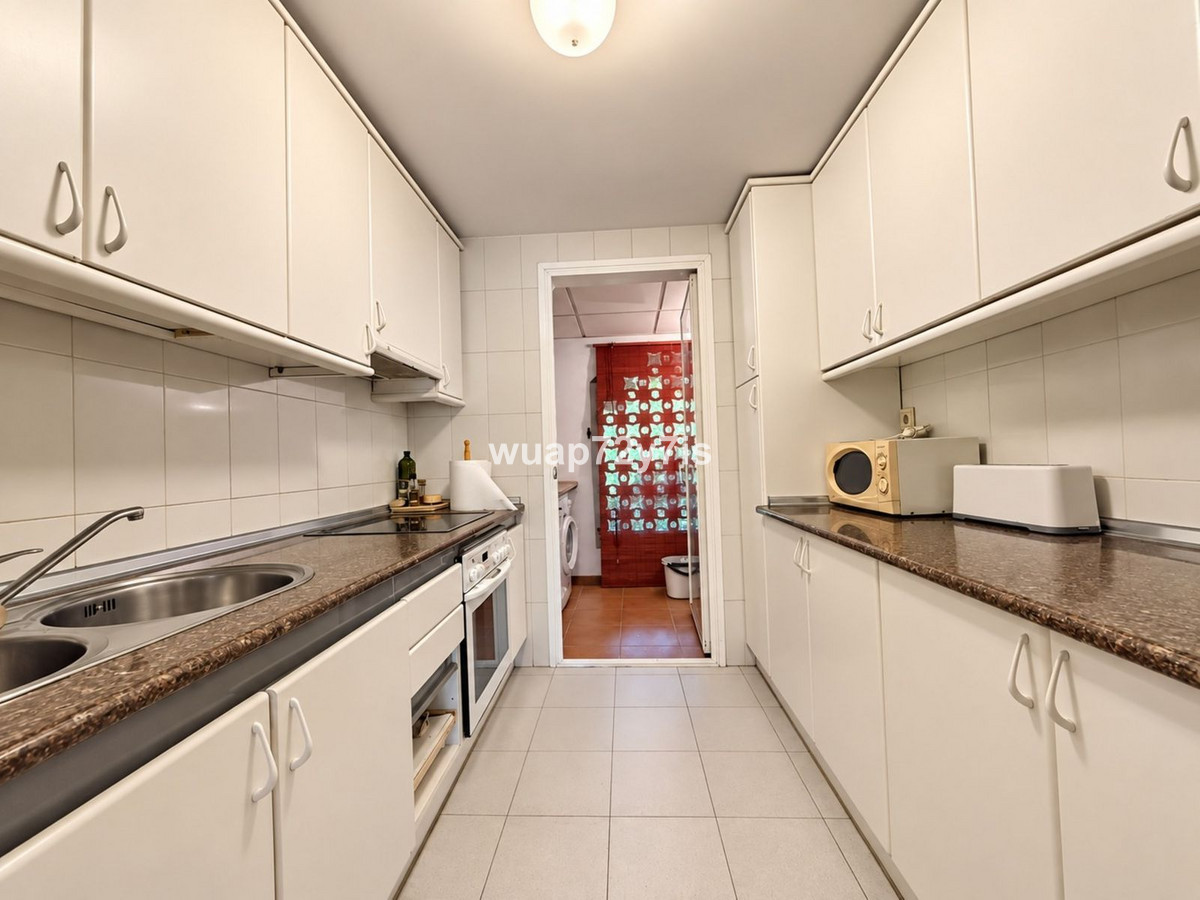


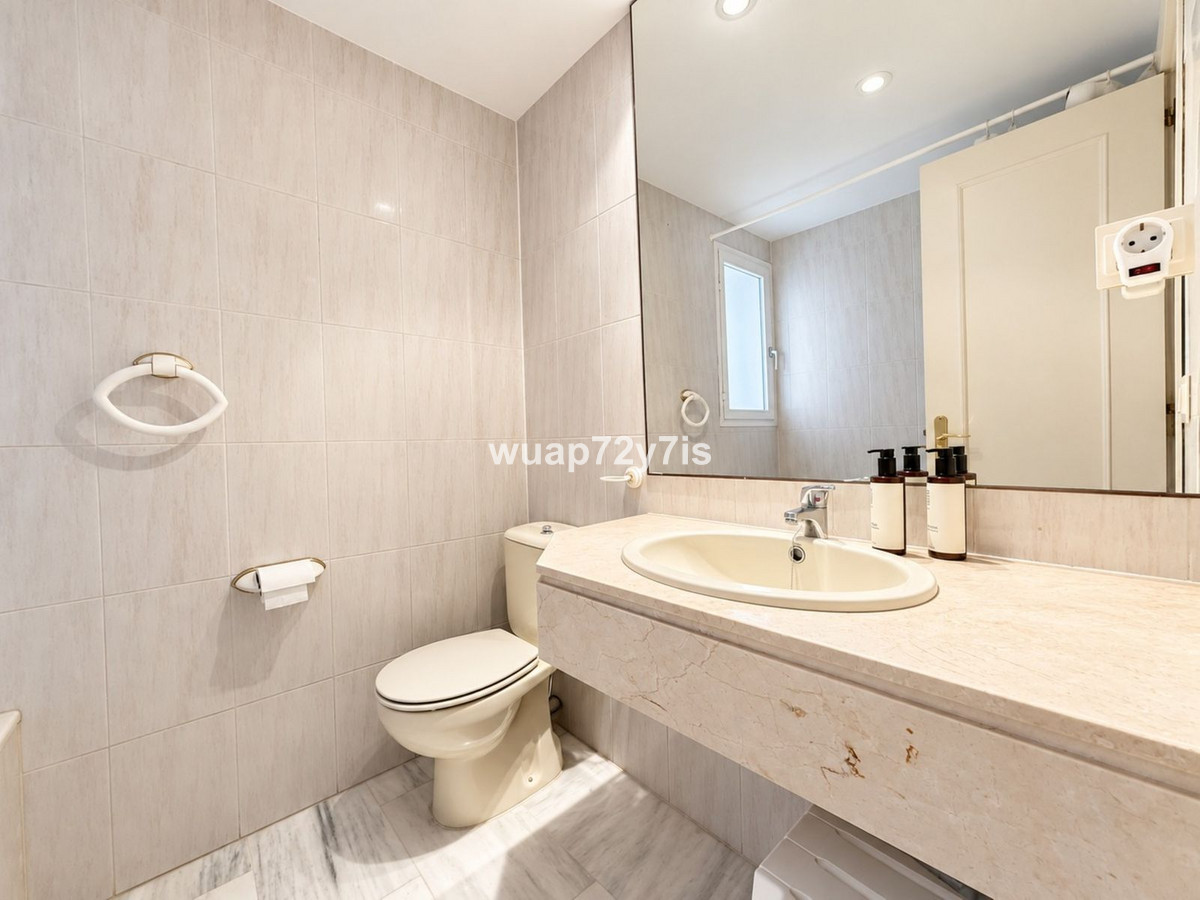


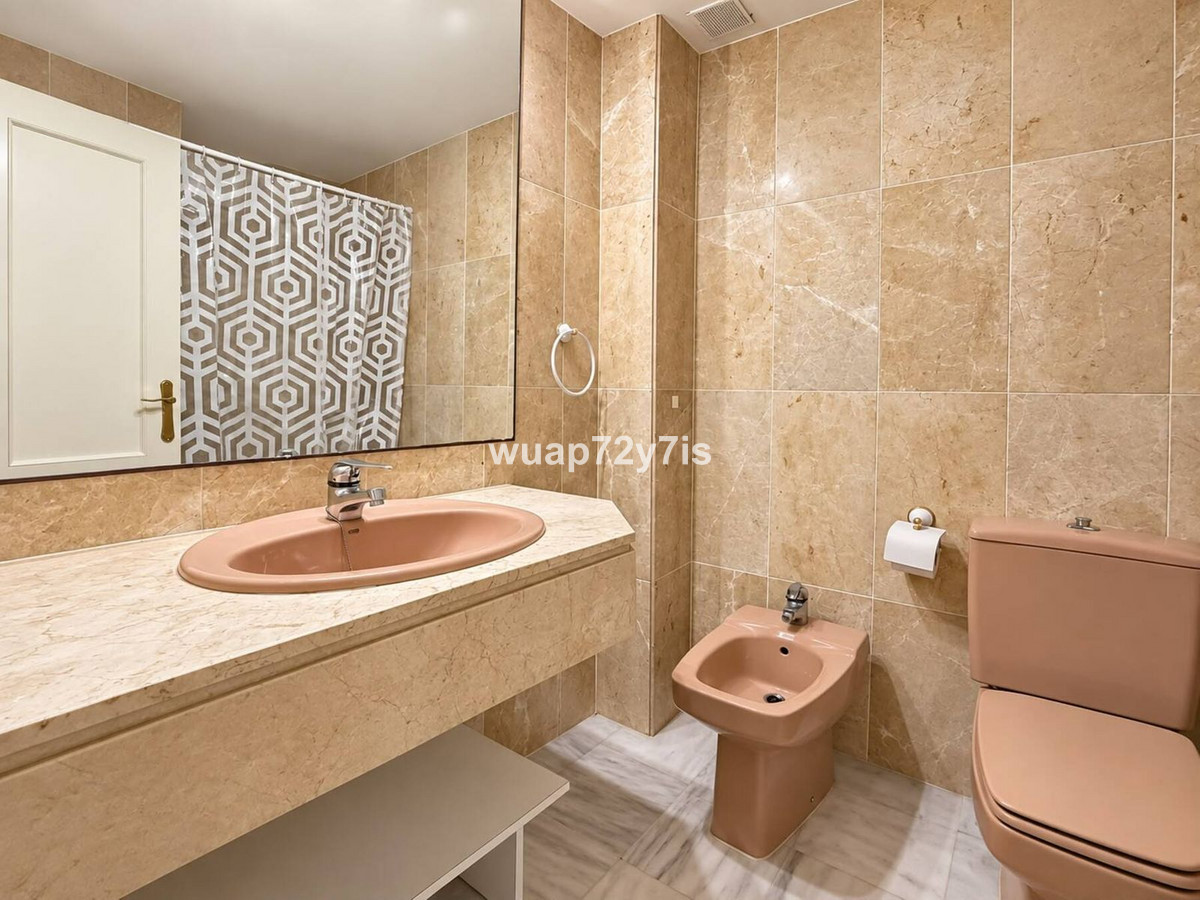
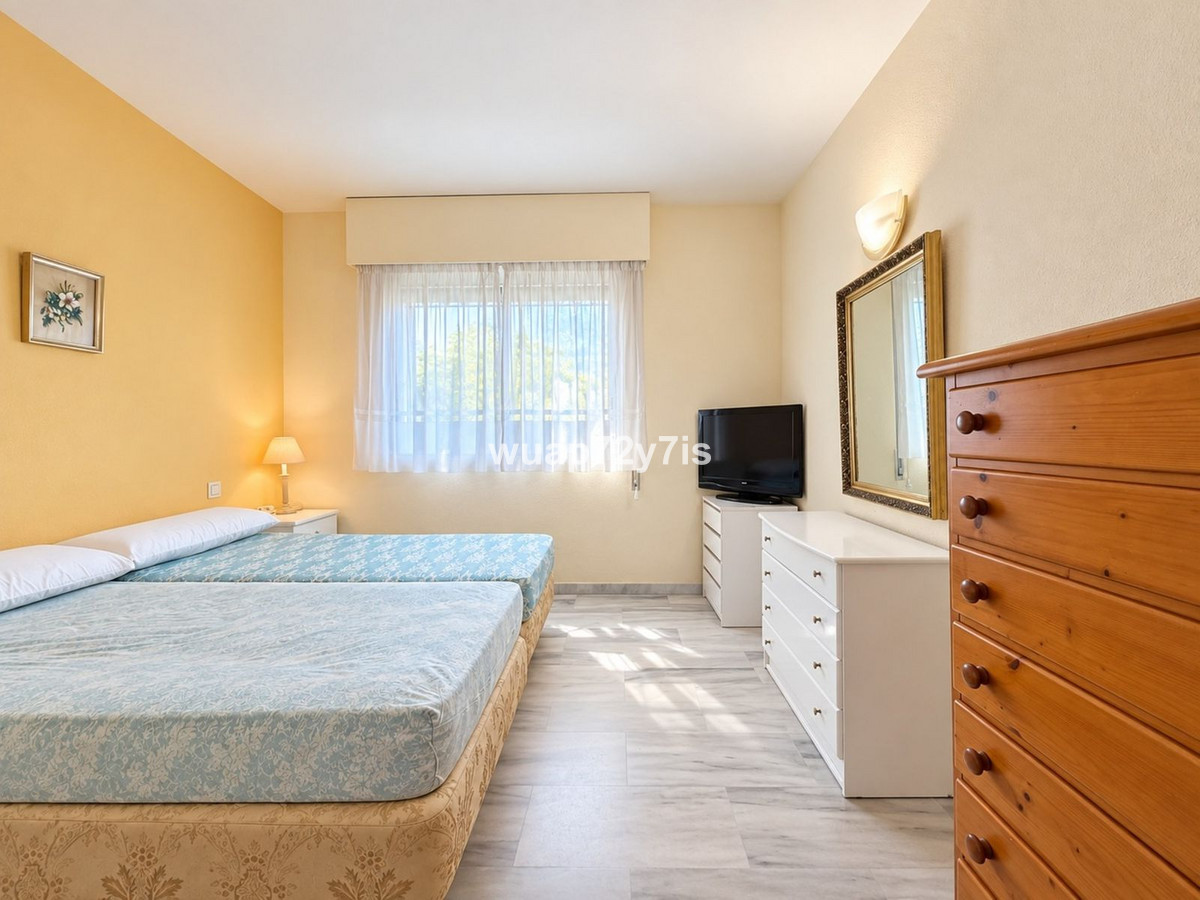
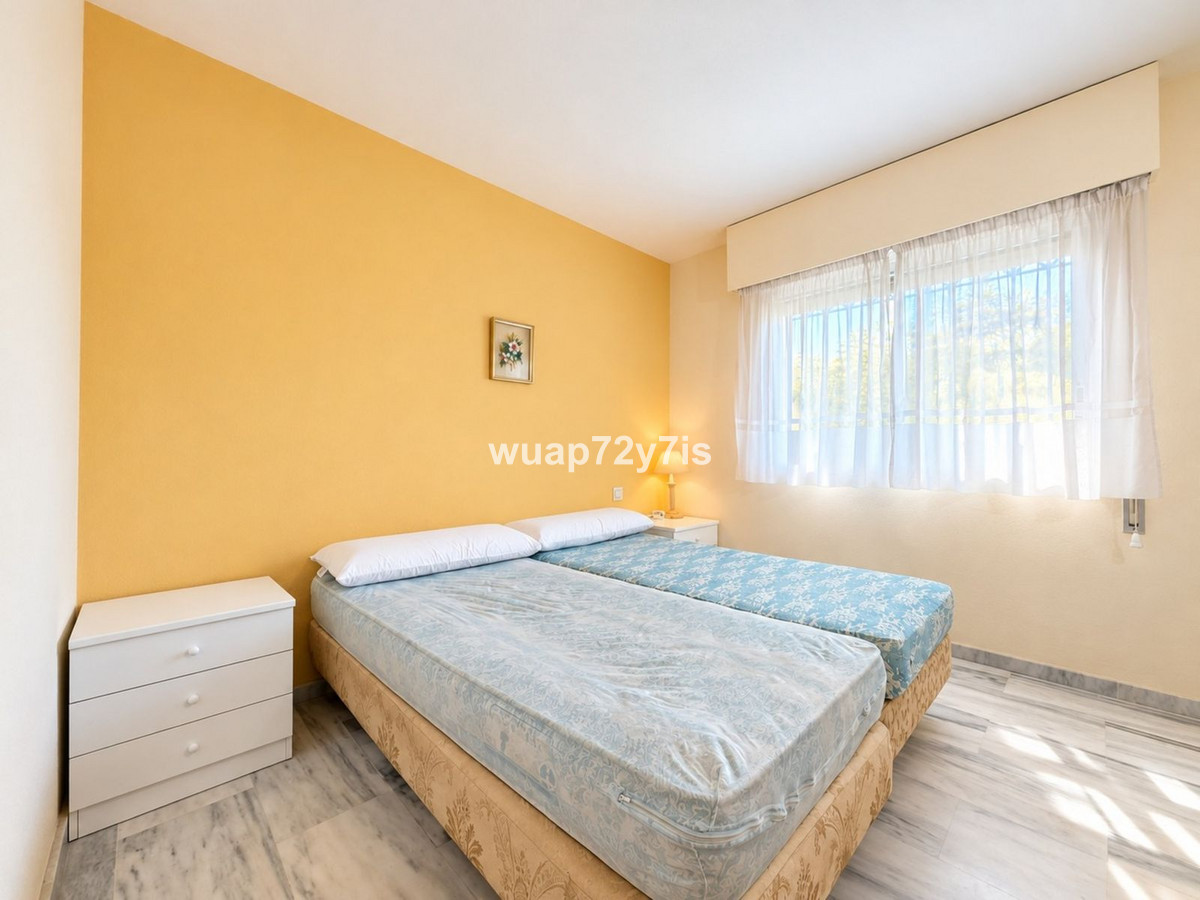
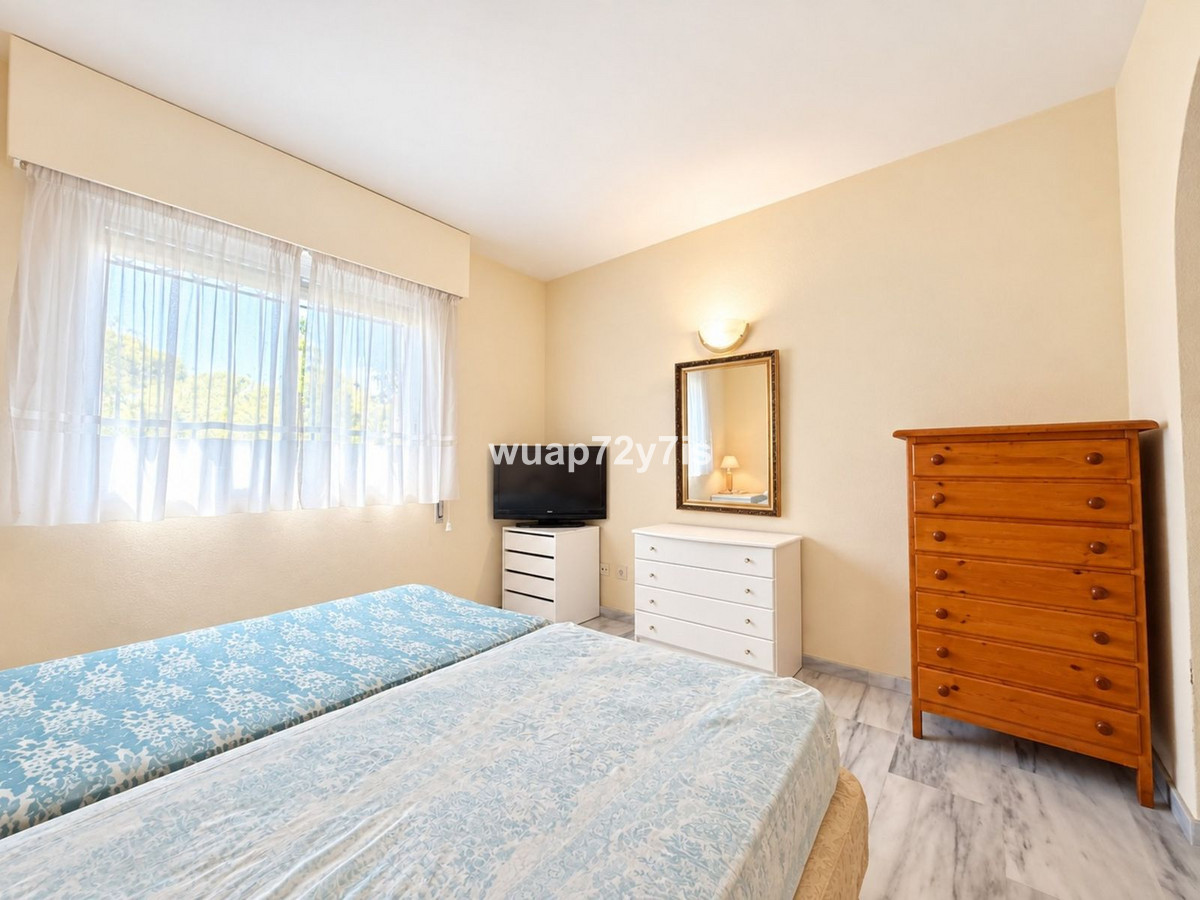
Ground Floor Apartment in Costalita
Costalita
€ 450.000
Property ref : R5502559









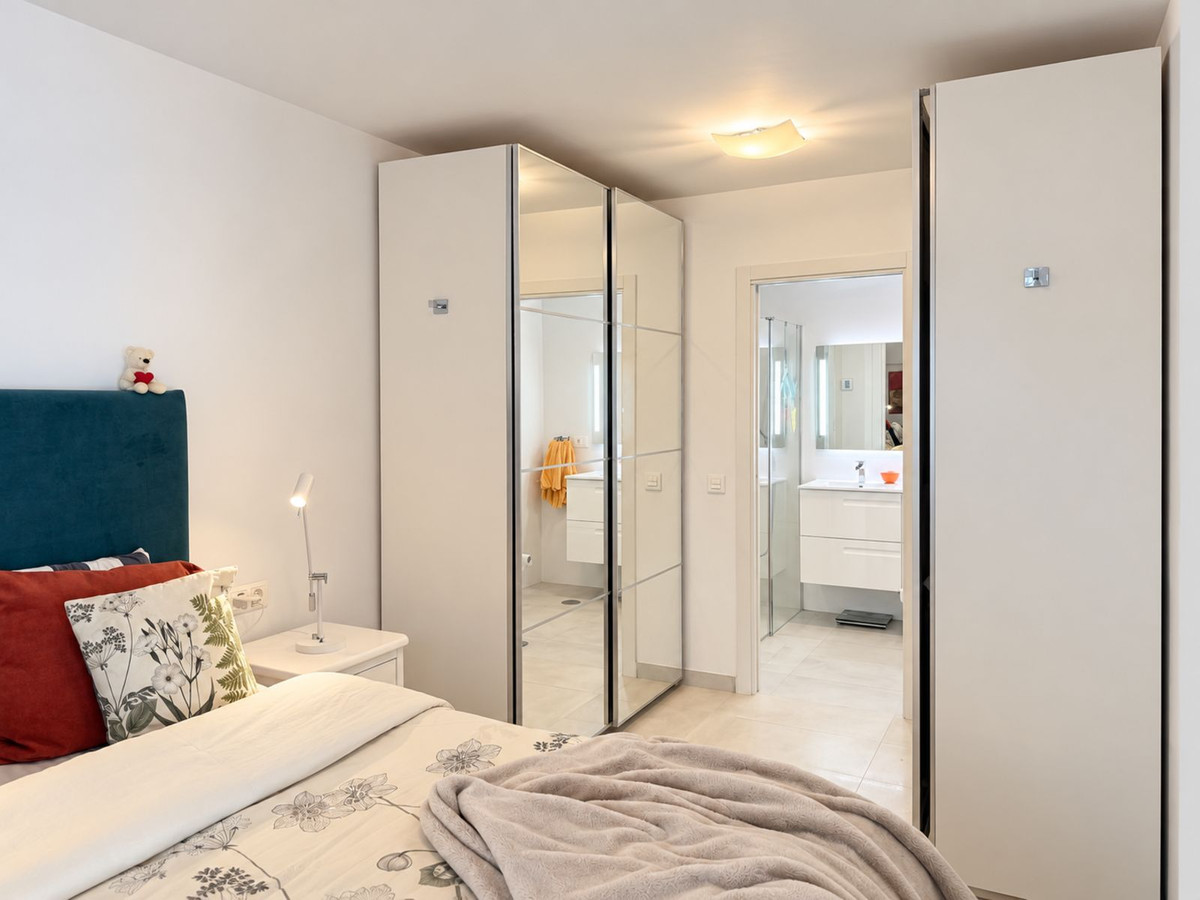





Ground Floor Apartment in Fuengirola
Fuengirola
€ 549.000
Property ref : R5482453



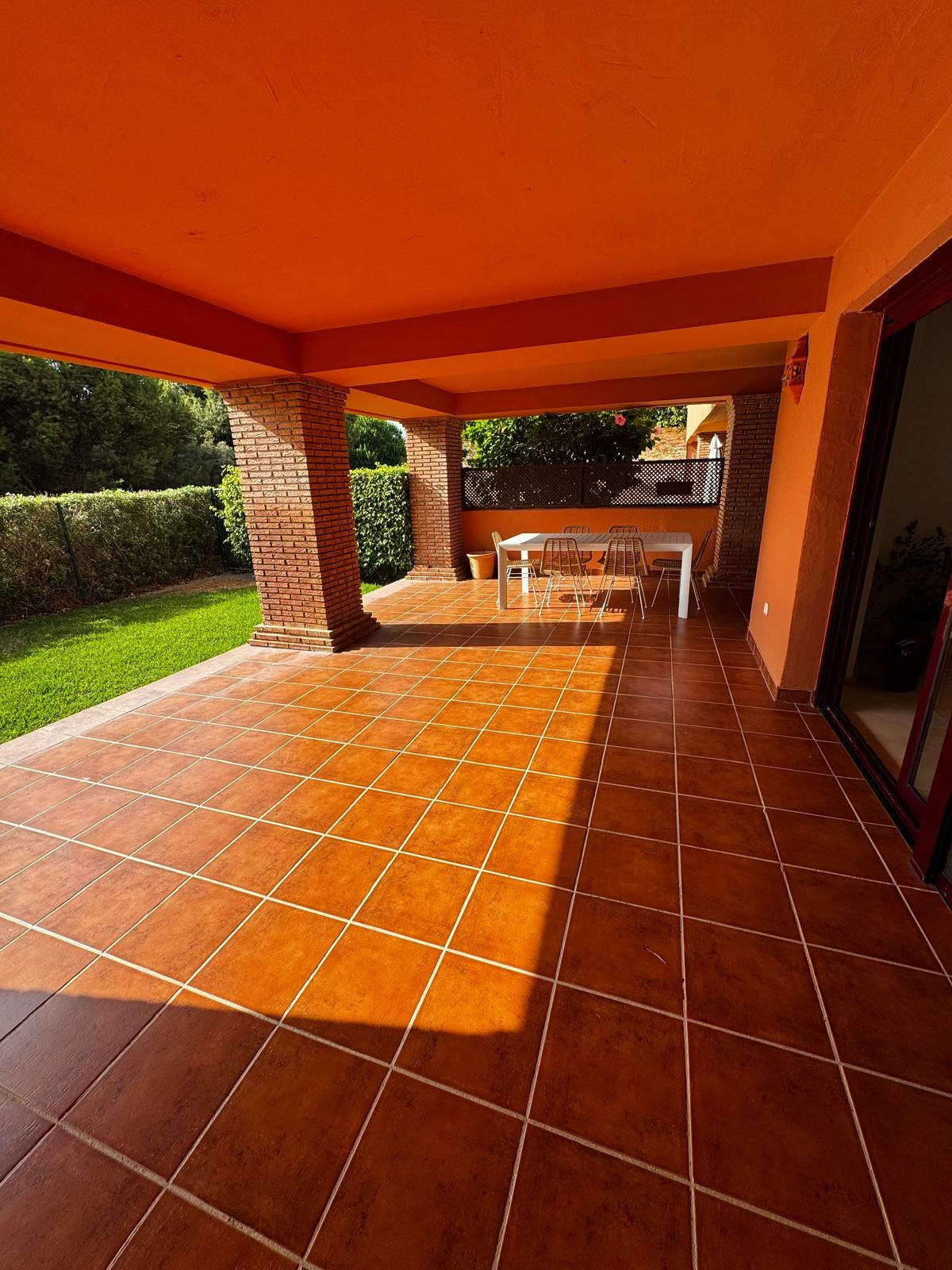
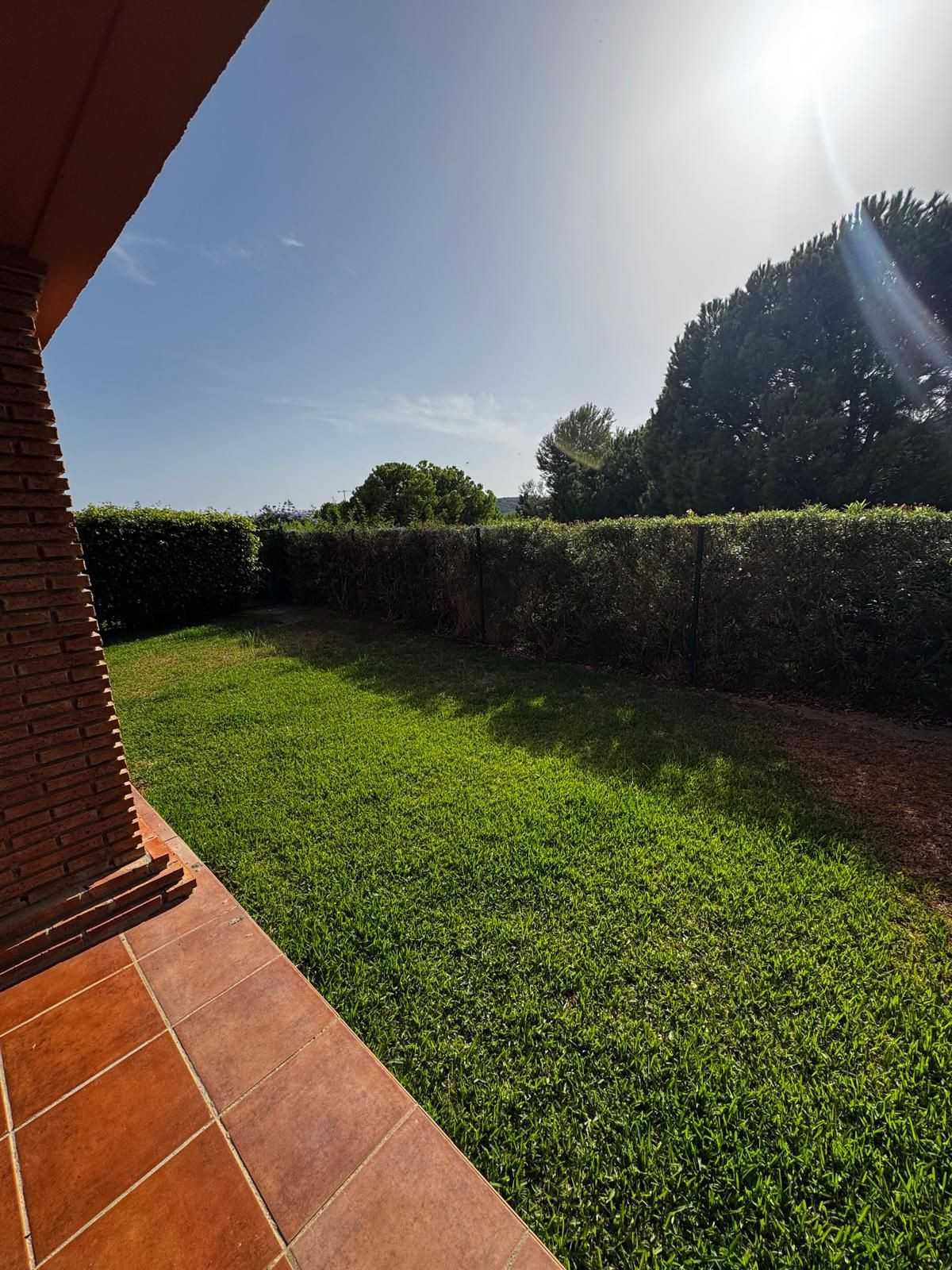
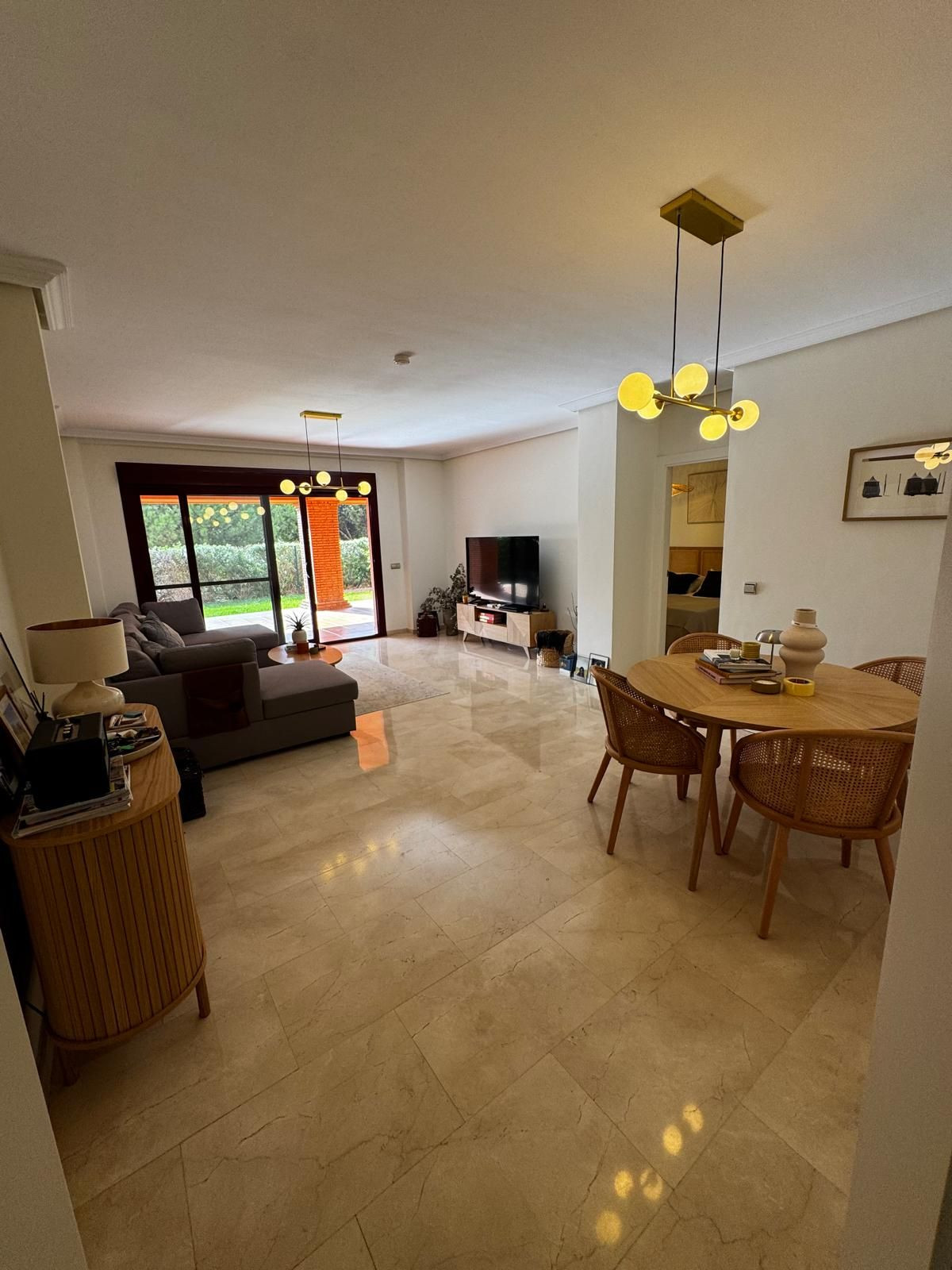
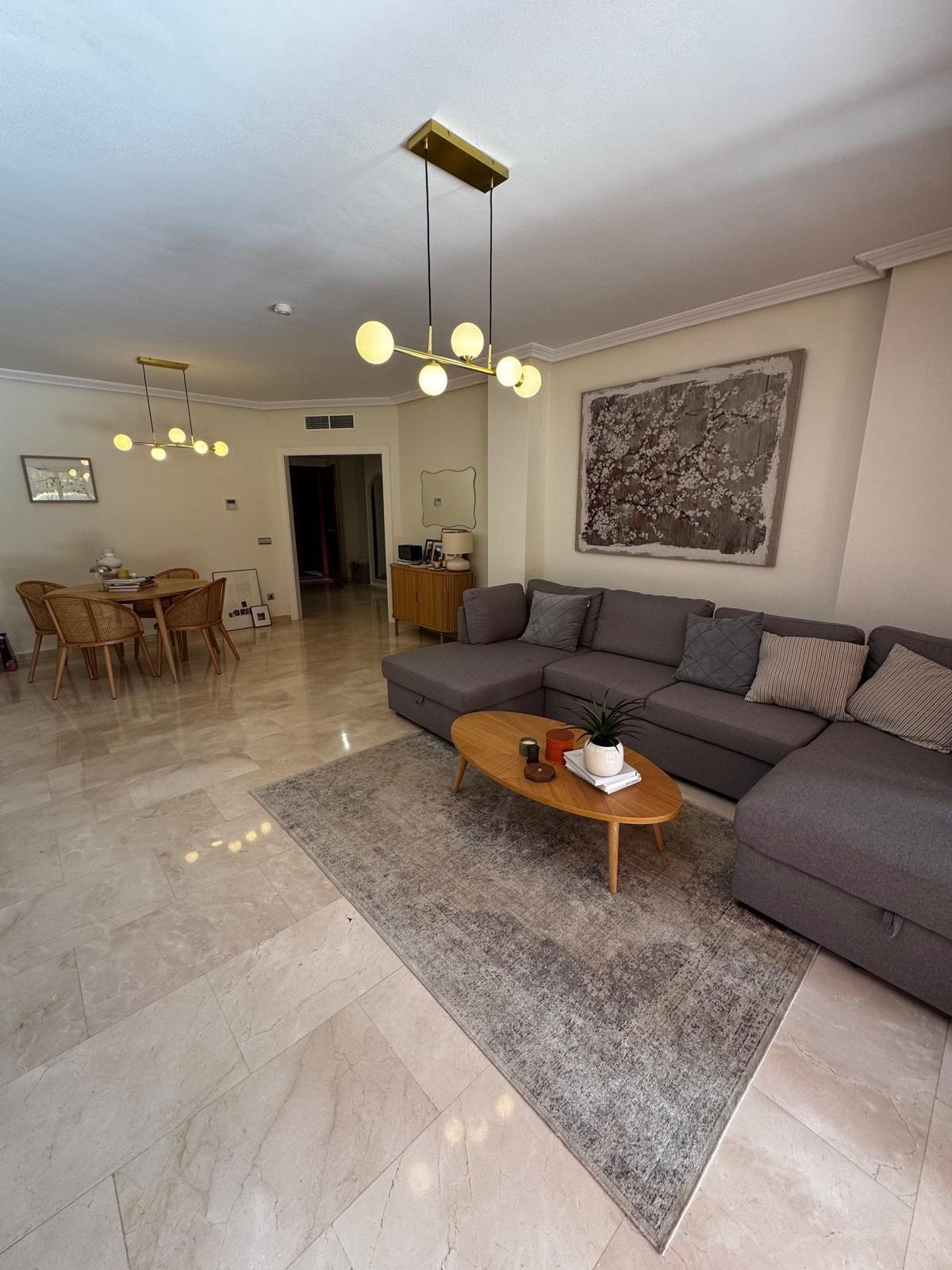
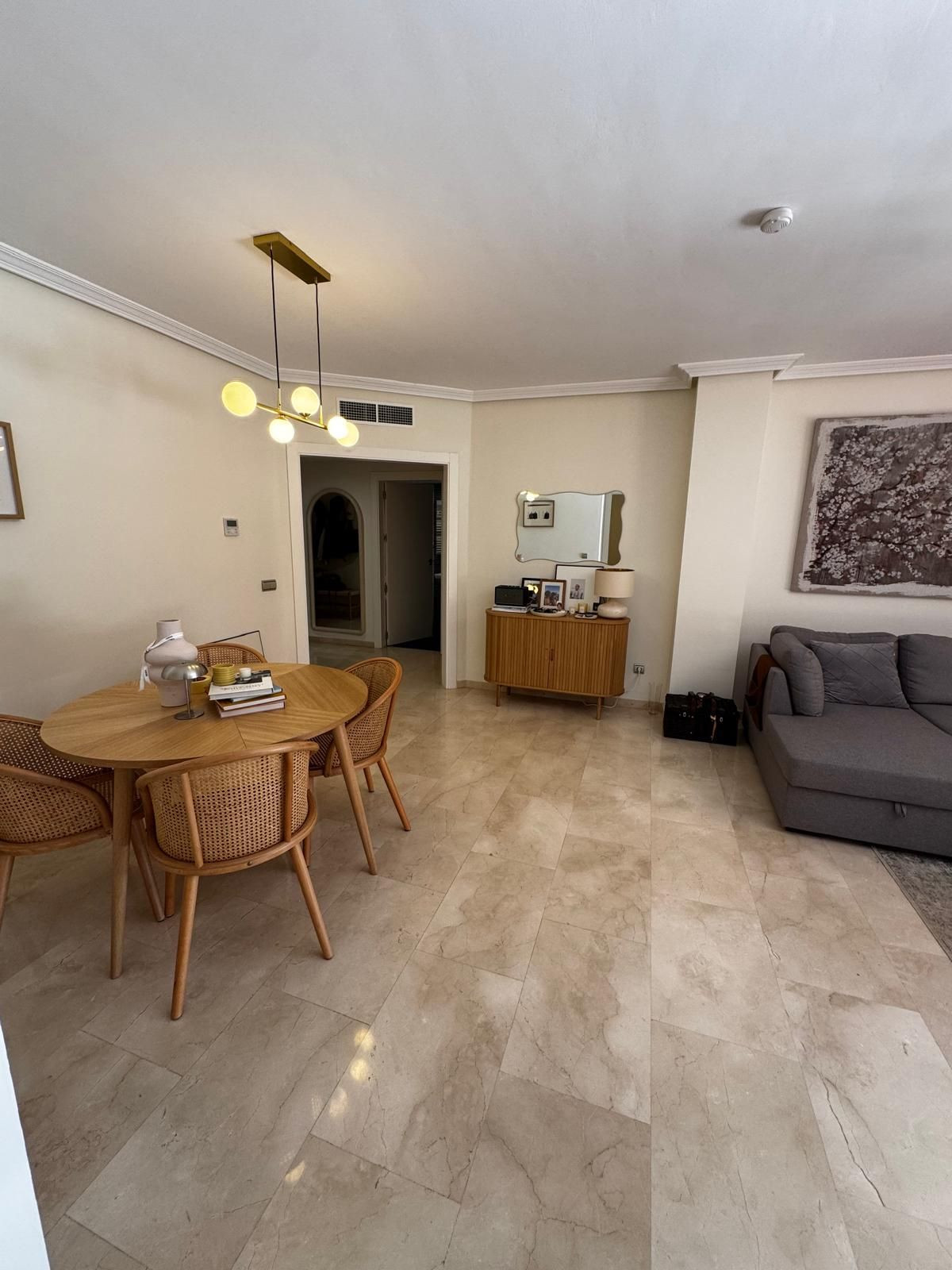
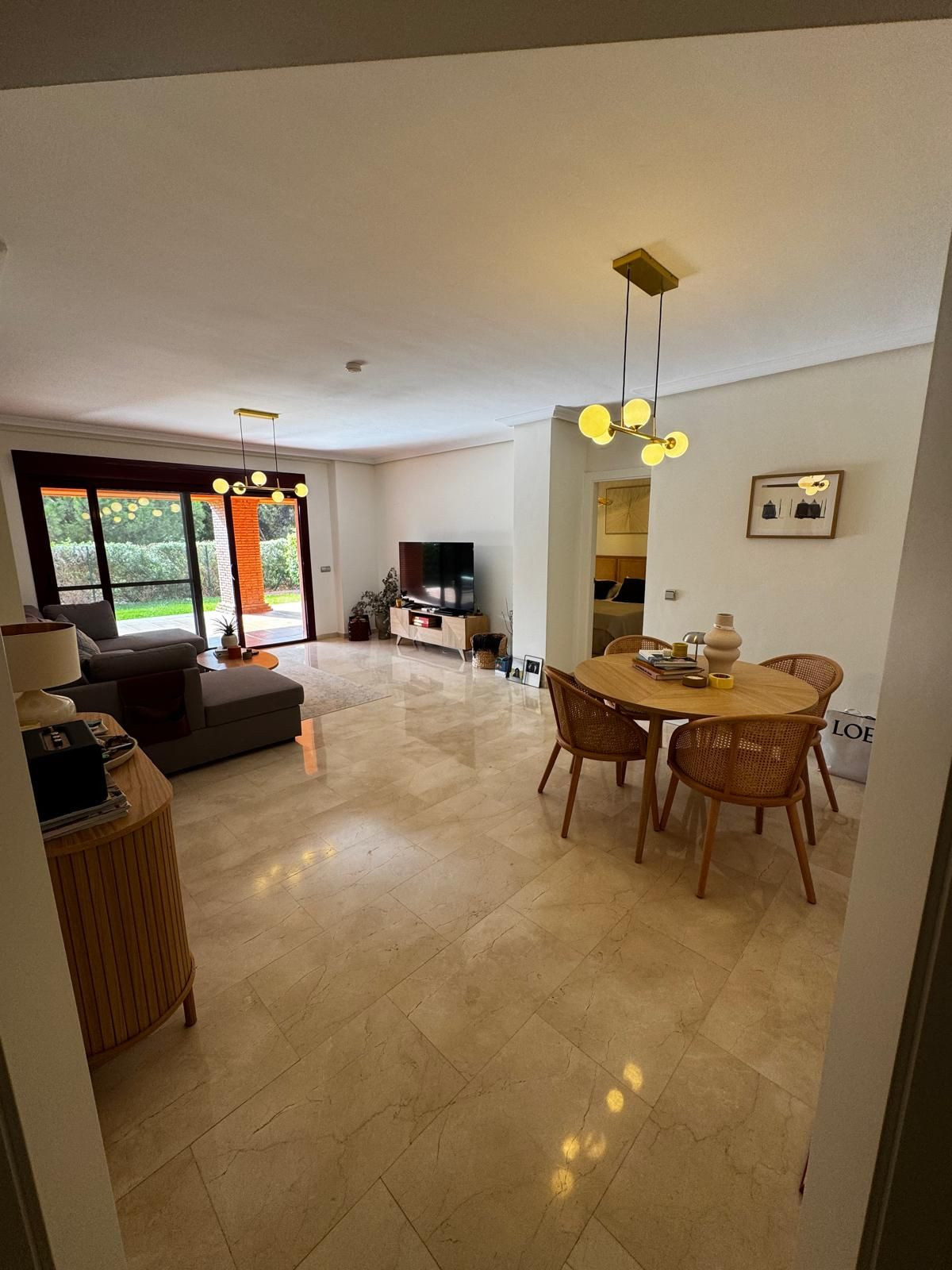
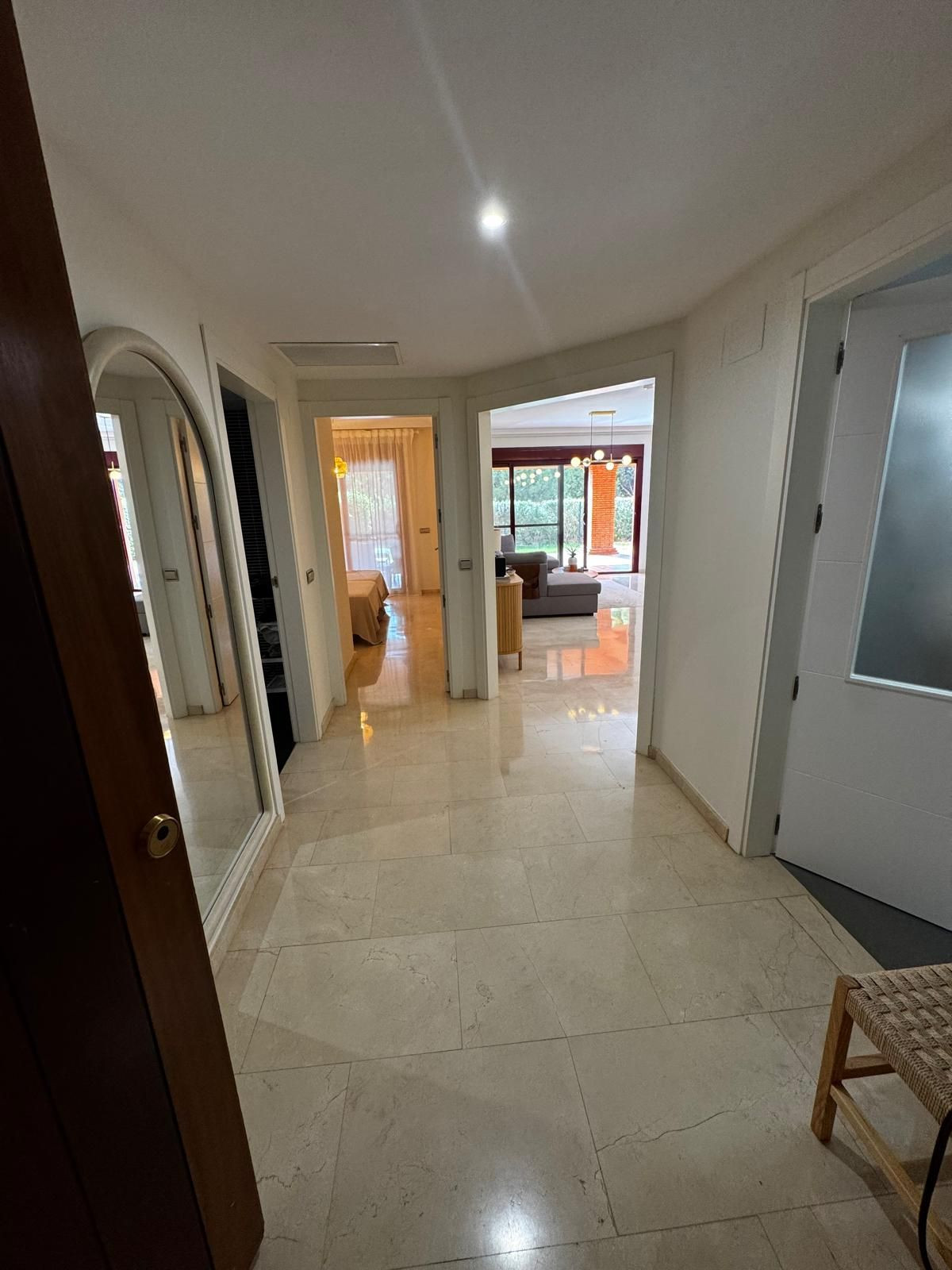
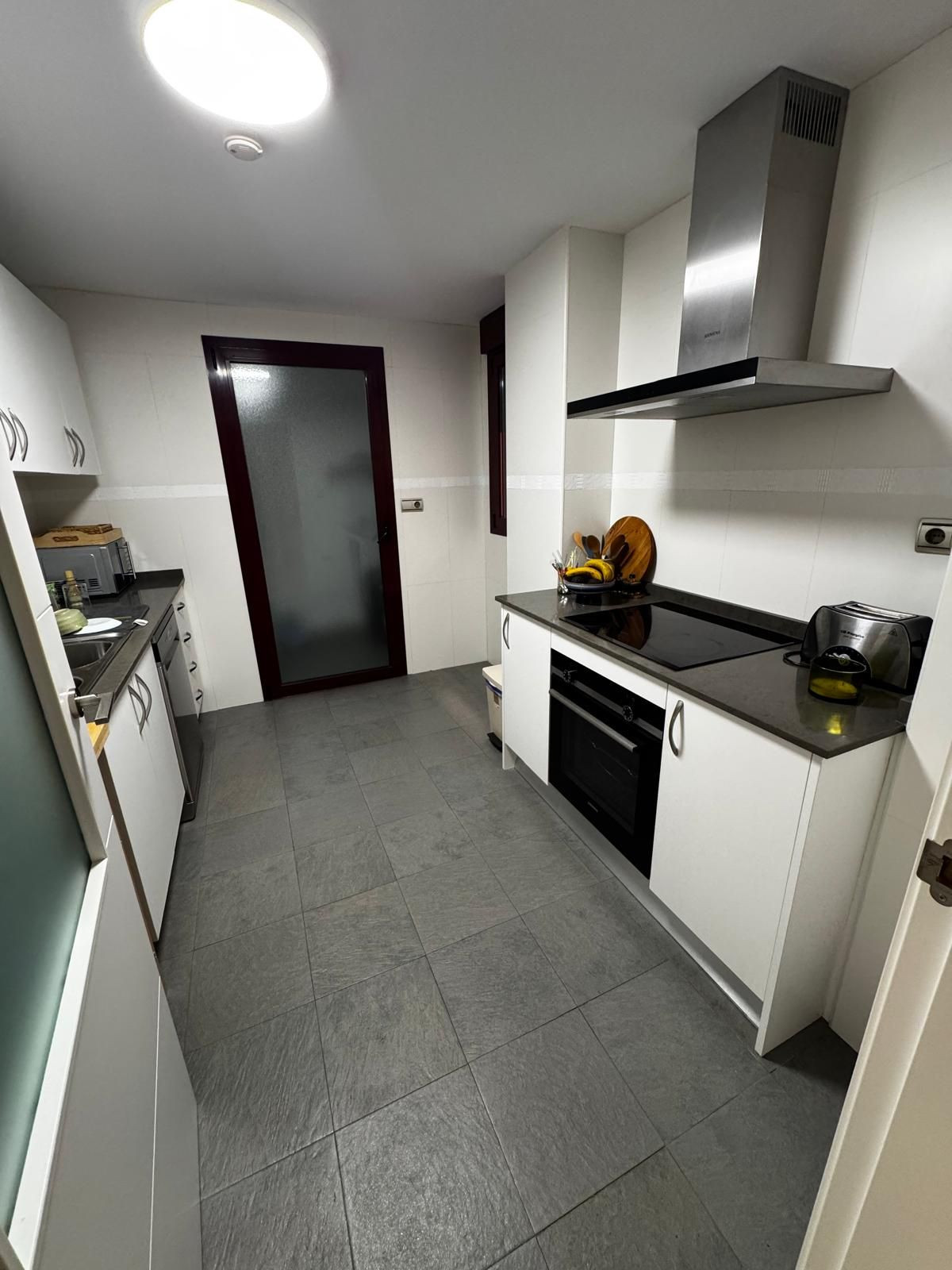
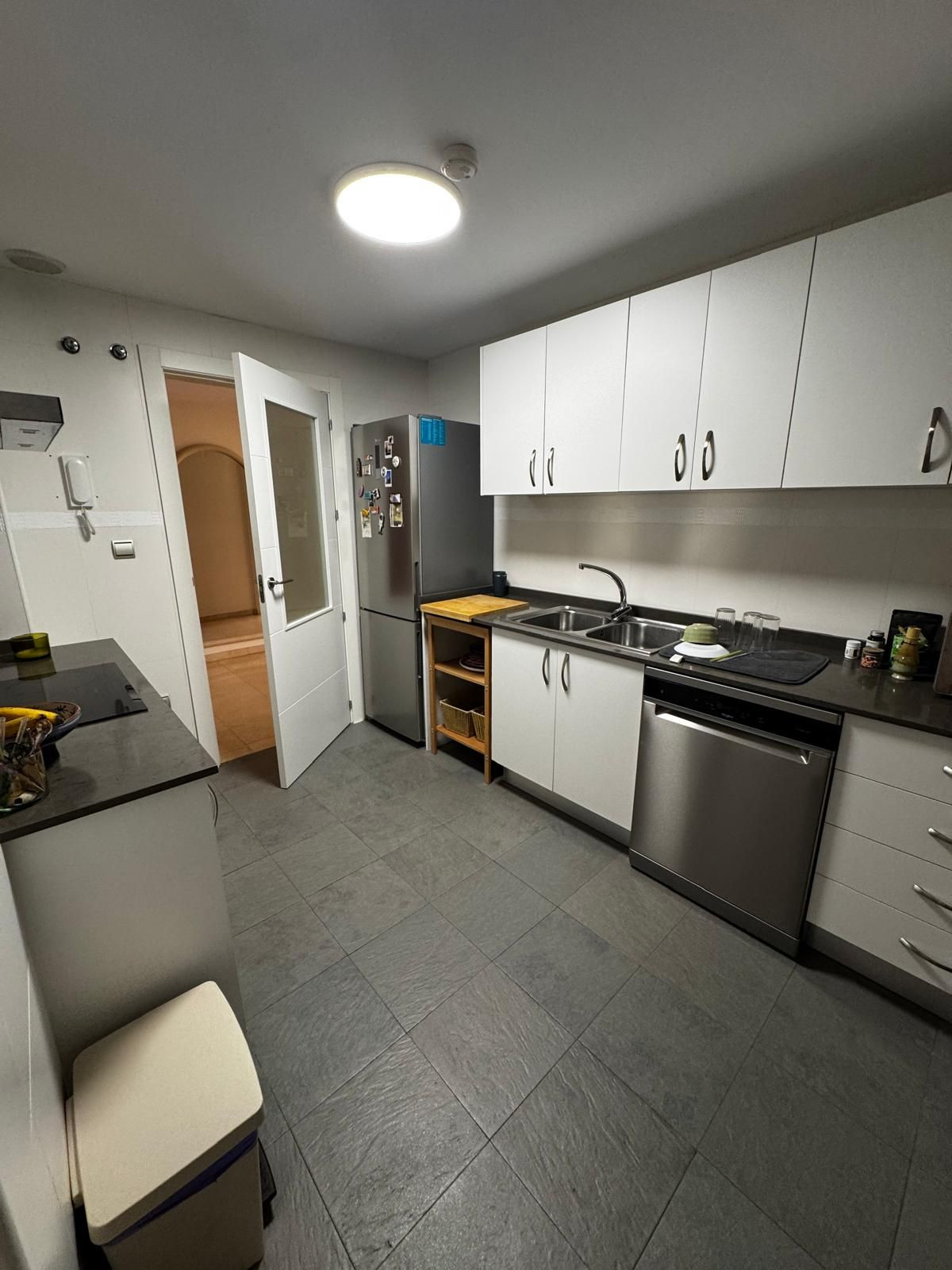
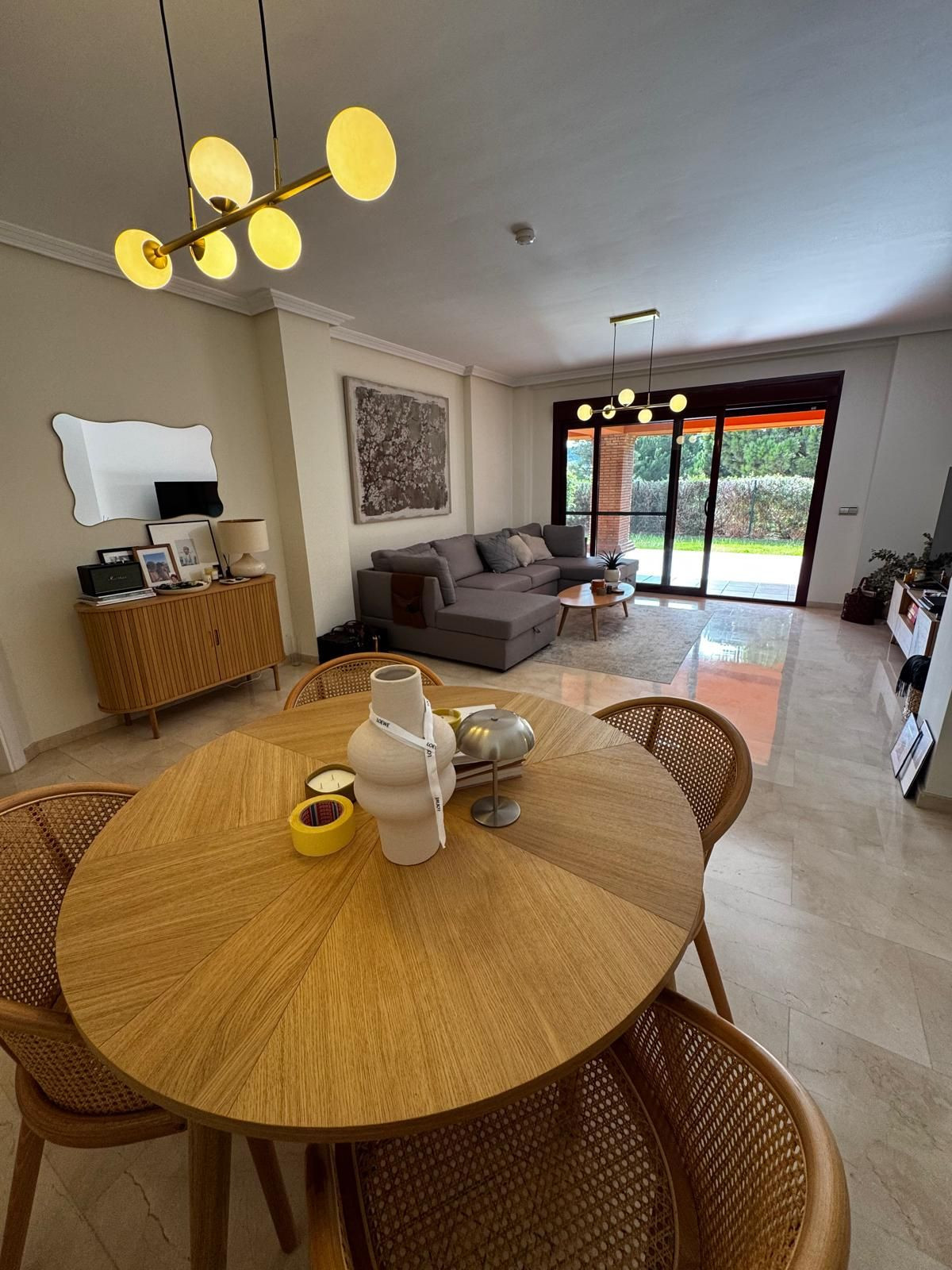

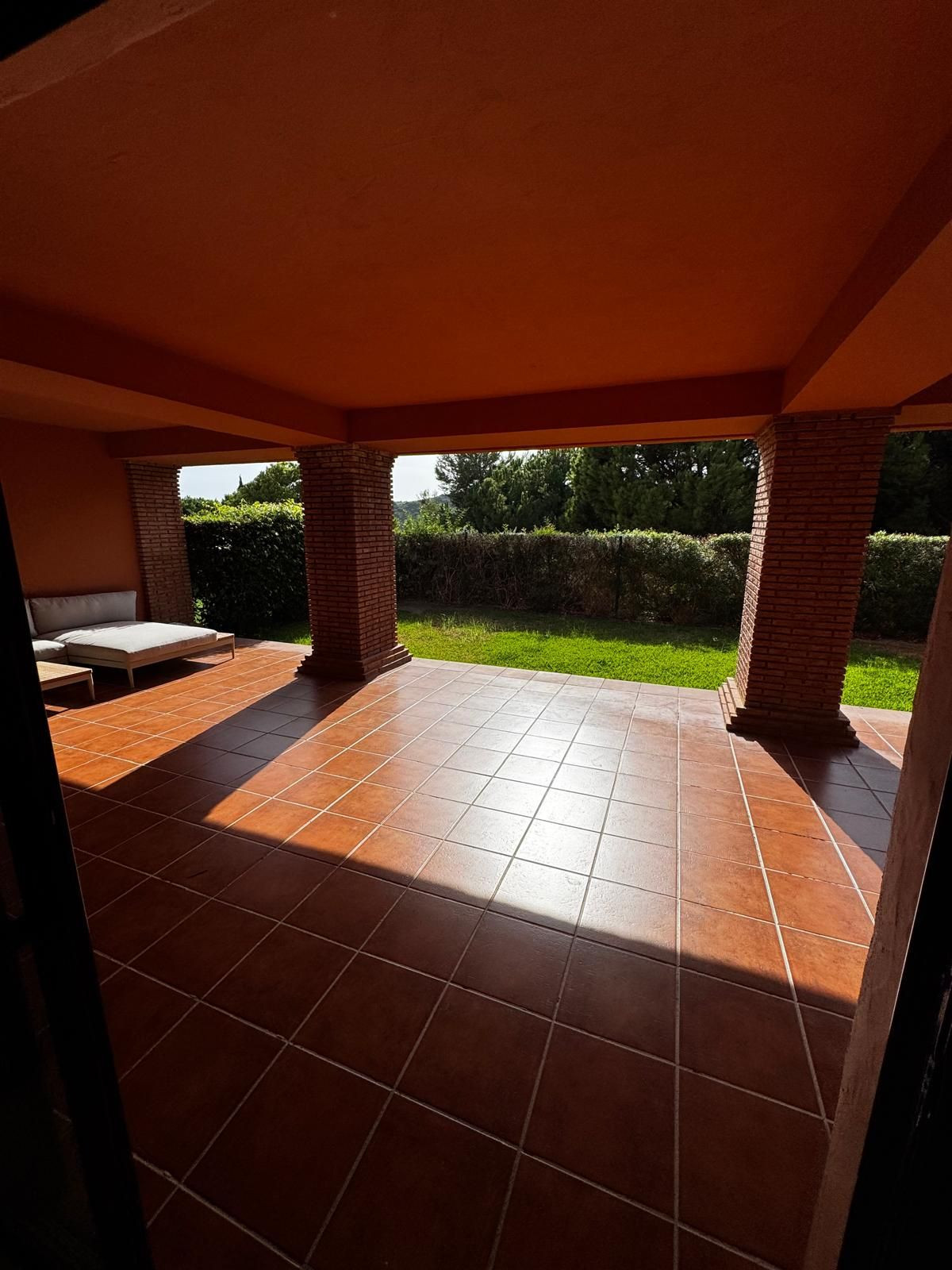
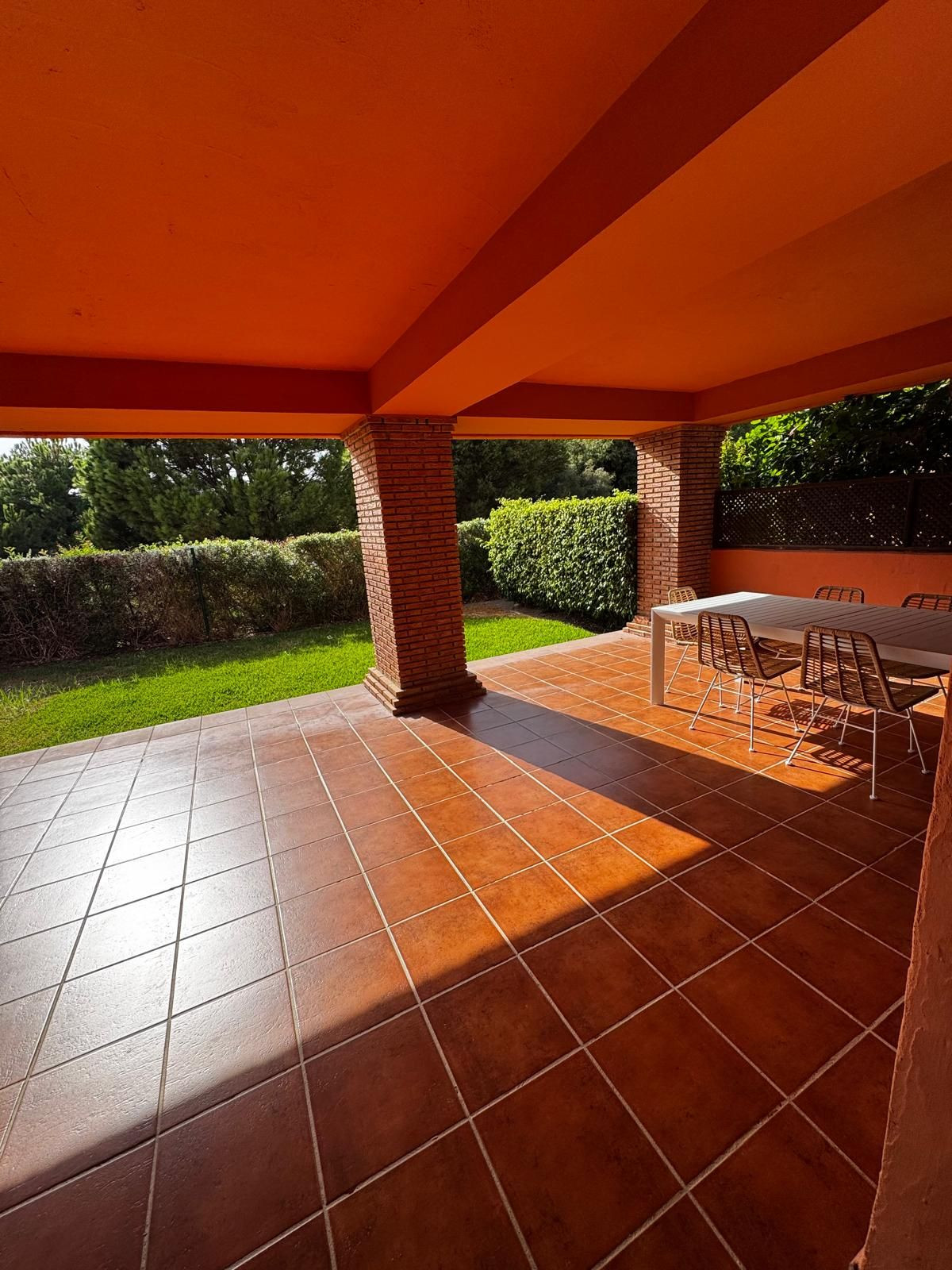
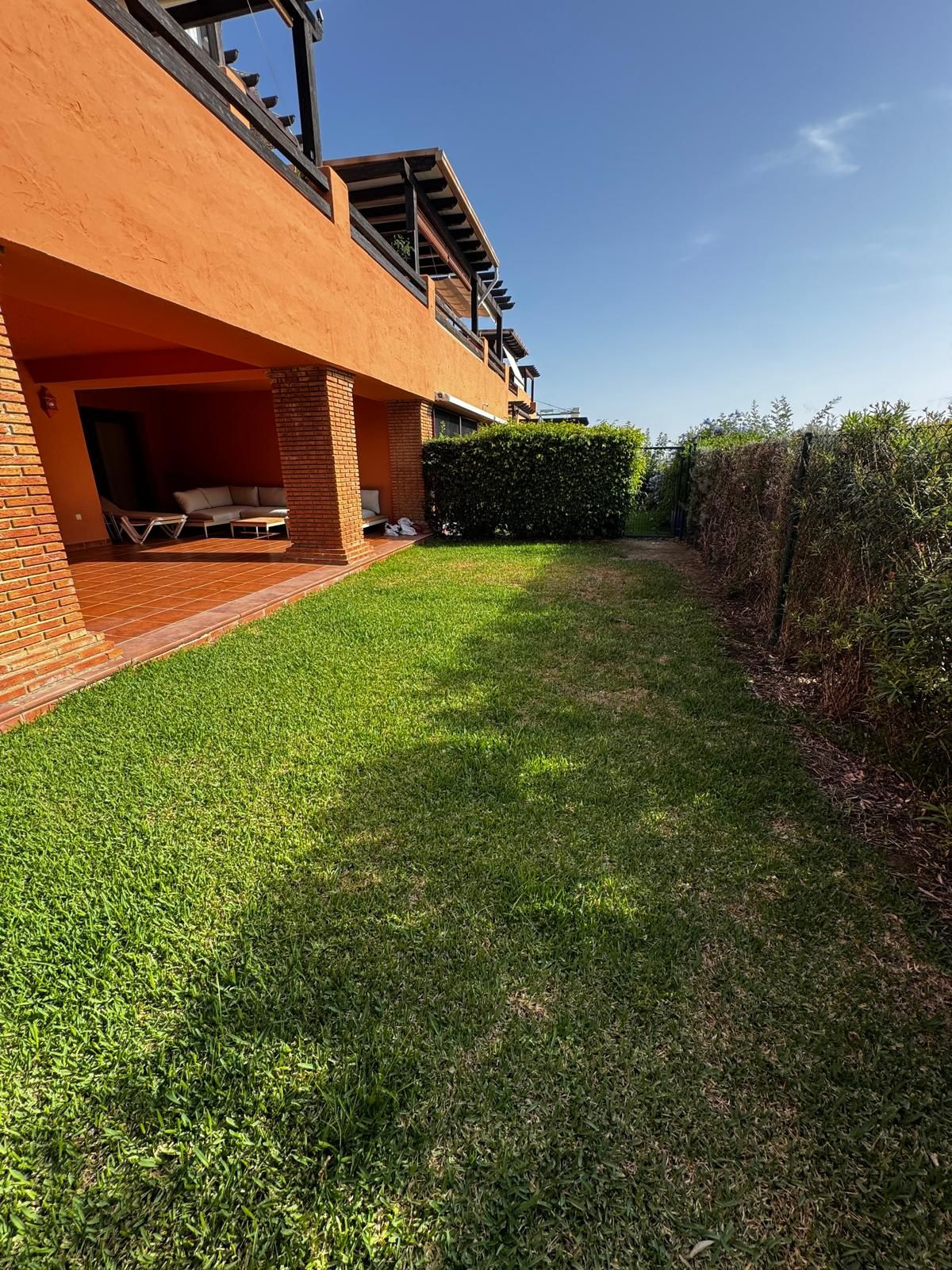


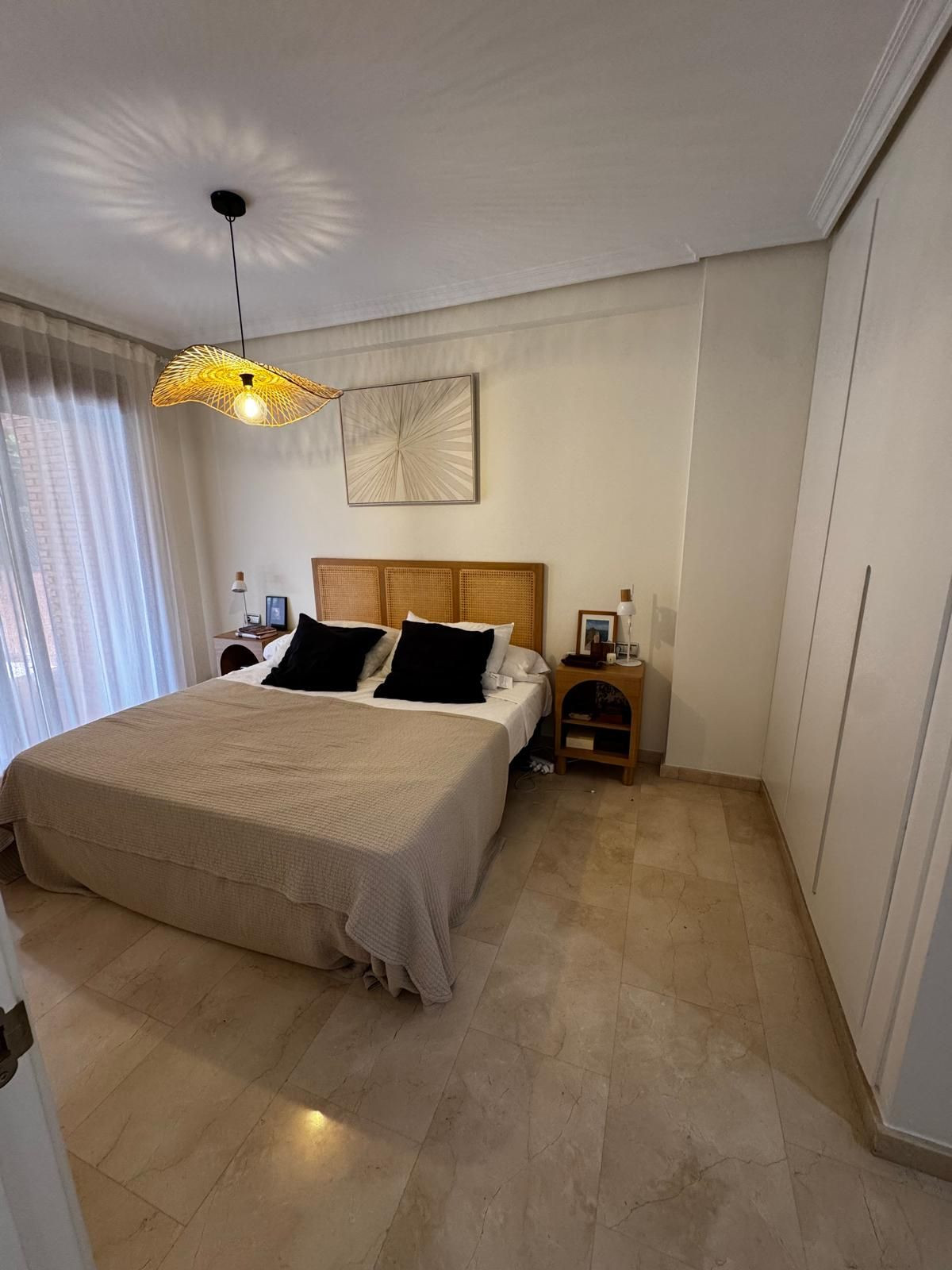
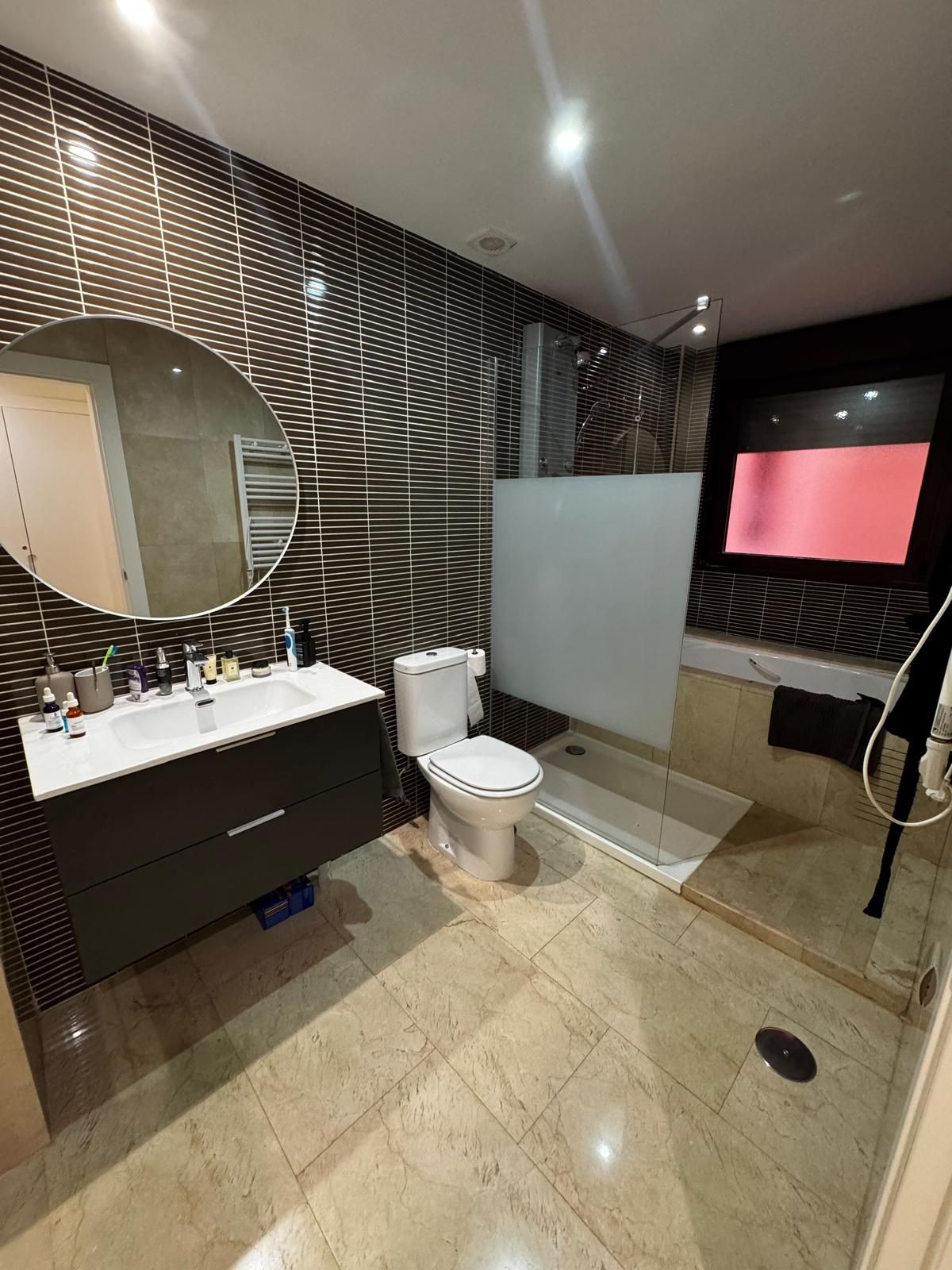


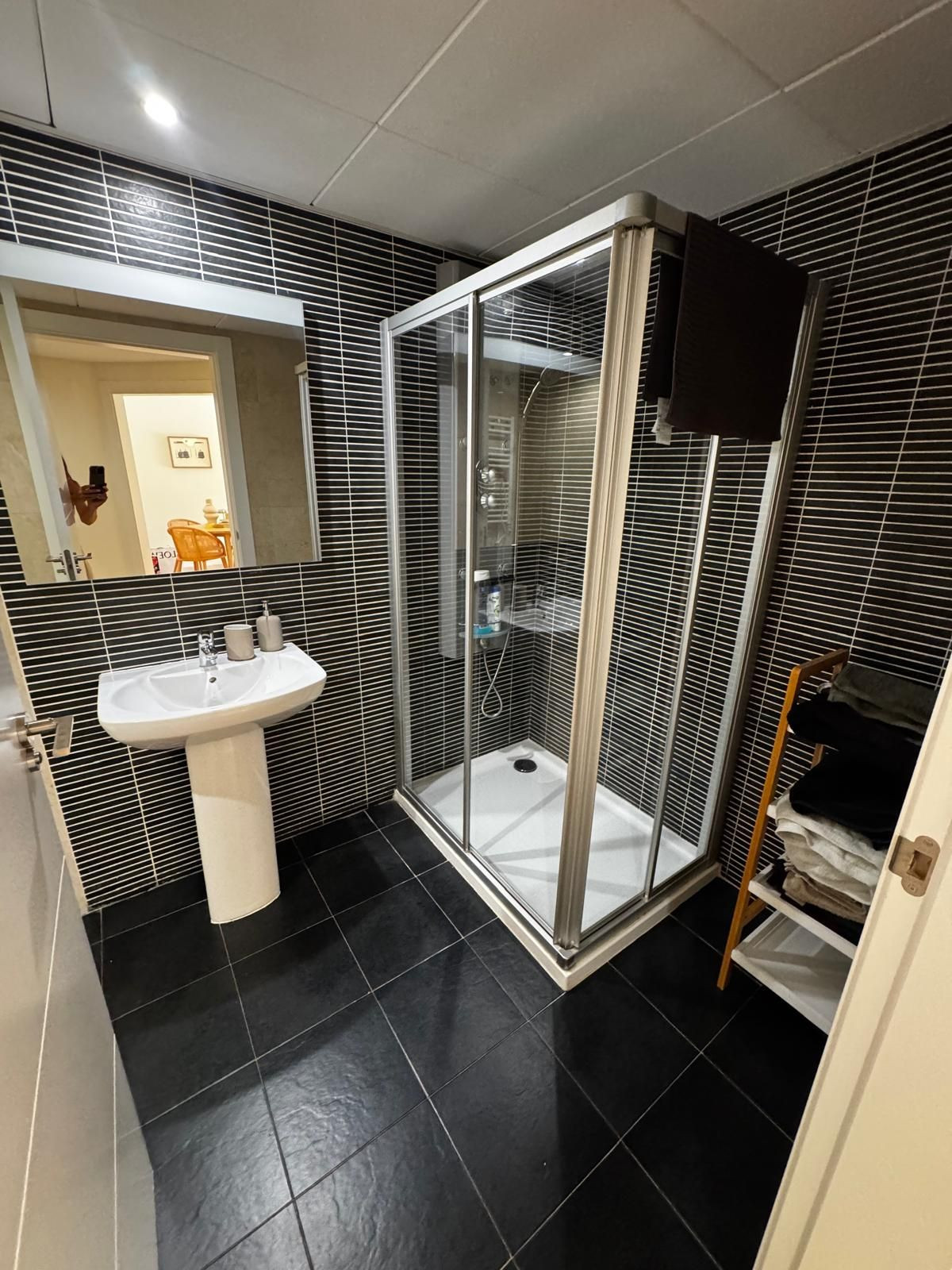
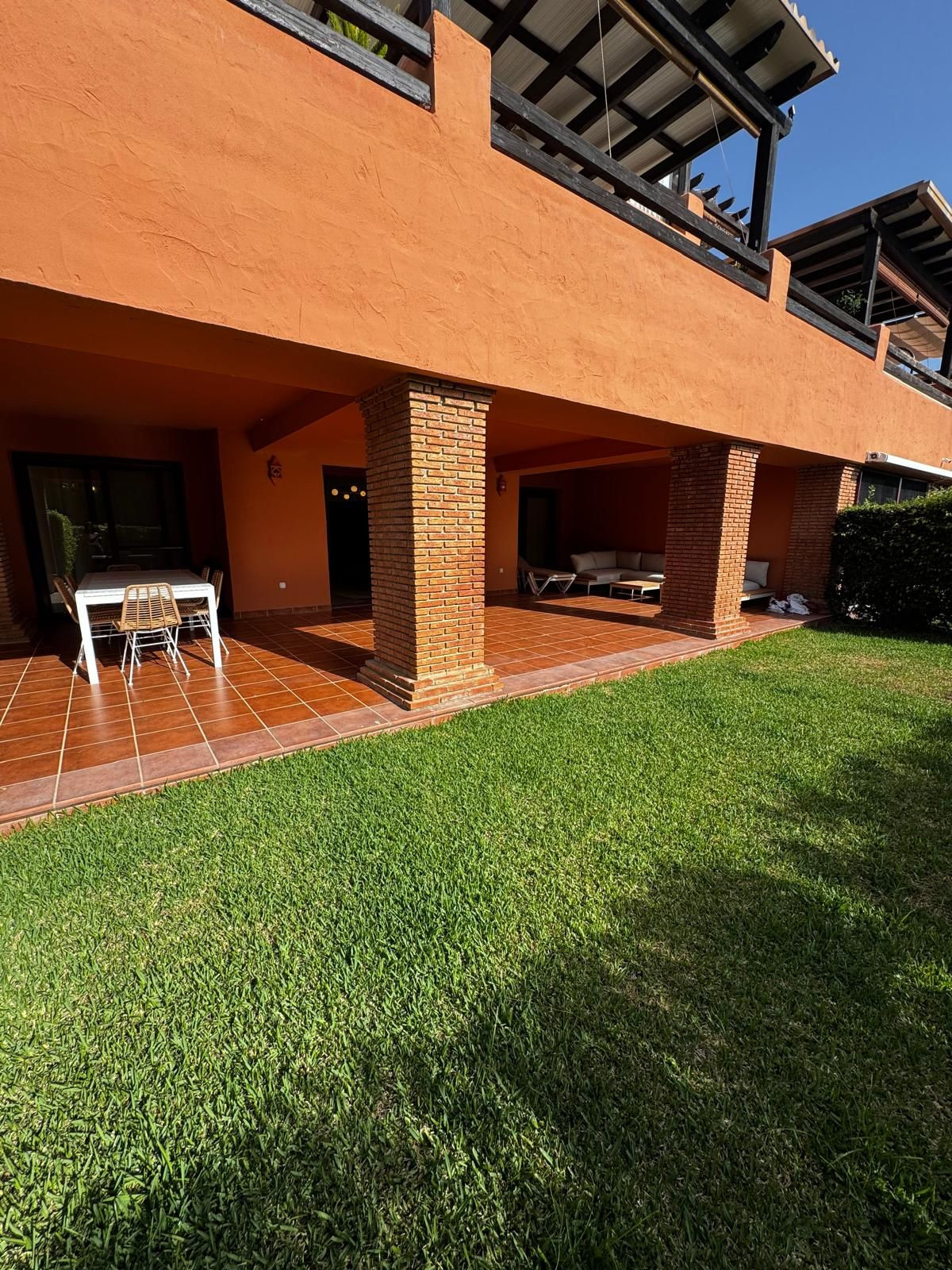

Ground Floor Apartment in Casares Playa
Casares Playa
€ 449.000
Property ref : R5502961
What the nota simple DOES NOT show: community debts, urban planning, tax arrears
This is very important: the nota simple is not a complete due diligence of the property. It should not be assumed that lack of encumbrances in the nota means the property has no problems.
The nota simple does not replace, above all:
- certificate of no arrears with homeowners’ community fees,
- verification of the property’s urban planning status,
- checking of permits, legality of existing buildings, or any administrative proceedings,
- confirmation of tax status, e.g., arrears regarding IBI (property tax).
In the case of a homeowners’ association, the seller should provide upon sale a certificate of no arrears with the homeowners’ community fees (certificado de deuda de la comunidad), unless the buyer explicitly waives this obligation. Spanish regulations also provide for the property’s liability for specific arrears to the community. (BOE)
Similarly, arrears on the IBI tax require separate verification. The regulations provide for so-called afección real, that is, the property being liable for payment of overdue taxes in certain situations. (BOE)
Nota simple and the arras contract: why it should be checked before paying the deposit
One of the most important moments in the purchase process is signing the arras contract and transferring the money. Therefore, the nota simple should be checked before signing the contract and paying the deposit, not only before the notarial deed.
If the nota shows a mortgage, embargo, restriction on ownership rights, or other information requiring explanation, the way to resolve it should be established and properly secured in the contract.
You can find more about the contract itself in our guide: Arras contract — deposit in Spain: types and what happens if one party withdraws?.
Also read: Process of purchasing property in Spain — what you need to know?.
Red flags in the nota: mortgage, embargo, easement, VPO
Not every entry in the nota simple means a problem, but some require detailed explanation.
Mortgage (hipoteca): the mere presence of a mortgage does not have to be an obstacle to purchase. The key is to determine its amount, status, and how it will be removed from the registry in connection with the sale.
Embargo: means a security or seizure related to a specific obligation. Before purchase, its nature, amount, and way to release the property from the encumbrance must be established.
Easement (servidumbre): may limit the way of using the property, e.g., by establishing a right of way or passage for another property.
VPO (Vivienda de Protección Oficial): if the property is subject to a special protective regime, restrictions may apply regarding price, use, or possibility of sale. Information about the restriction may be revealed in the registry, but its exact meaning should be verified in the relevant administrative documentation.
In the case of any unusual entry, it is worth consulting the document with a lawyer or specialist dealing with Spanish property law.
FAQ
What is a nota simple in Spain?
It is an informative document from the Registro de la Propiedad, which shows, among other things, the property owner, its basic description, and recorded rights and encumbrances.
How much does a nota simple cost and how long to wait?
The official price is currently €9.02. The time to obtain it depends on how the application is submitted and the specific registry; there is no single guaranteed timeframe for all cases. Usually, it takes about 24 hours.
What is the difference between a nota simple and certificación registral?
The nota simple is informative. The certificación registral is a public document signed by the Registradora and serves to formally confirm the content of the entries.
Does the nota simple show debts to the homeowners’ community?
No. To check debts owed to the community, a separate certificado de deuda de la comunidad is needed.
Who should order the nota, buyer or seller?
Anyone with a justified interest can order a nota simple. From the buyer’s point of view, however, it is worth ensuring that the document is current and verified immediately before making the purchase decision. The real estate office is obliged to provide the buyer with a nota simple no older than 3 months.
Does the nota simple guarantee that the property has no legal defects?
No. It shows information contained in the Registro de la Propiedad at the time of its issuance but does not replace full legal, urban planning, tax, and technical due diligence. Additionally, the legal situation may change after the document is issued, so the notary has an obligation to verify the factual state before signing the notarial deed of purchase and sale.
Source: Sede Registradores and BOE