Family foundation and real estate in Spain: how to invest safely and protect your assets?


Investing in real estate in Spain has enjoyed enduring interest among Polish entrepreneurs for years. However, as the asset portfolio grows, key questions arise about capital security and smooth succession. The answer to these needs has become the family foundation, a legal solution that revolutionized estate planning in Poland..
What will you find in the article?
- What is a family foundation and why has it become an investment hit?
- Who can establish a family foundation?
- Family foundation and real estate in Spain – purchase model
- Family foundation: taxes in Poland and Spain
- Risk of double taxation
- Why do investors choose this model?
- Listen to the podcast: Family foundation in practice
- FAQ – Family foundation and real estate in Spain
Is purchasing real estate in Spain through a family foundation an optimal model for every investor? In the latest episode of the podcast Dream Property Talks, Tatiana Pękala discusses this topic with Magdalena Jarmołkowicz, legal advisor at the Franke de la Fuente law firm. Below, we present key conclusions from this conversation and a legal-tax analysis of this solution.
What is a family foundation and why has it become an investment hit?
Family foundation is a new legal entity in the Polish legal system whose main objective is to accumulate assets, manage them in the interest of beneficiaries and provide benefits for them. The greatest advantage offered by the family foundation is separating the private property of the founder from the foundation’s assets.
In practice, this means that assets (e.g., a house in Marbella or an apartment in Estepona) become the property of the foundation. This way, they are protected from potential personal claims against the founder, which is crucial for people conducting risky business activities. Estate succession becomes a planned process – the foundation continues independently of its creator’s life.
Who can establish a family foundation?
Only a natural person with full legal capacity can be the founder. Importantly, more than one person (e.g., a married couple) can establish a foundation, provided they do so during their lifetime. The statute precisely defines who the beneficiary is and under what conditions they will receive benefits. This makes the family foundation an extremely flexible tool for building a multi-generational legacy.
Family foundation and real estate in Spain – purchase model
Many investors wonder whether a family foundation can directly hold foreign assets. The answer is yes. Purchasing real estate in Spain through a family foundation is conducted on principles similar to those for purchase by a Polish limited liability company, but with significant tax differences.
The foundation can acquire houses, apartments or land on the Costa del Sol and then manage them – for example by renting them short- or long-term. It is important to remember, however, that the foundation must operate within the so-called permitted business activity to maintain its tax preferences.
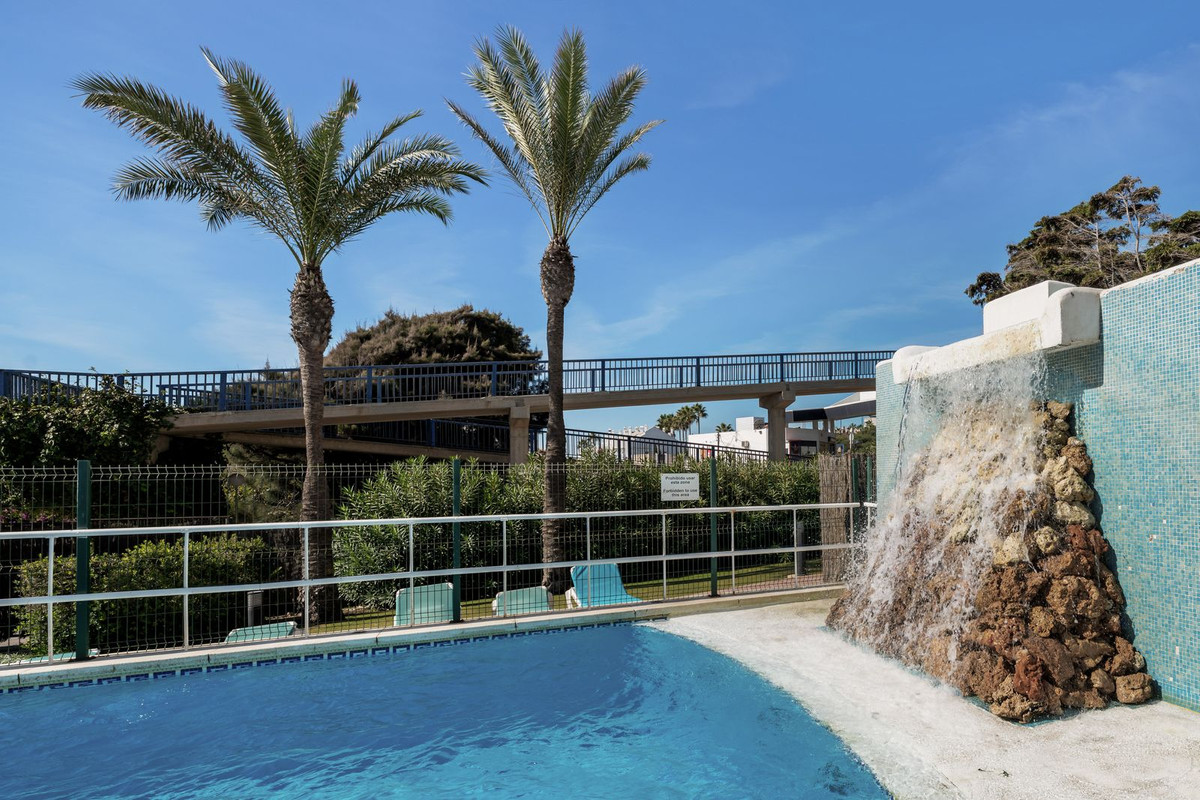
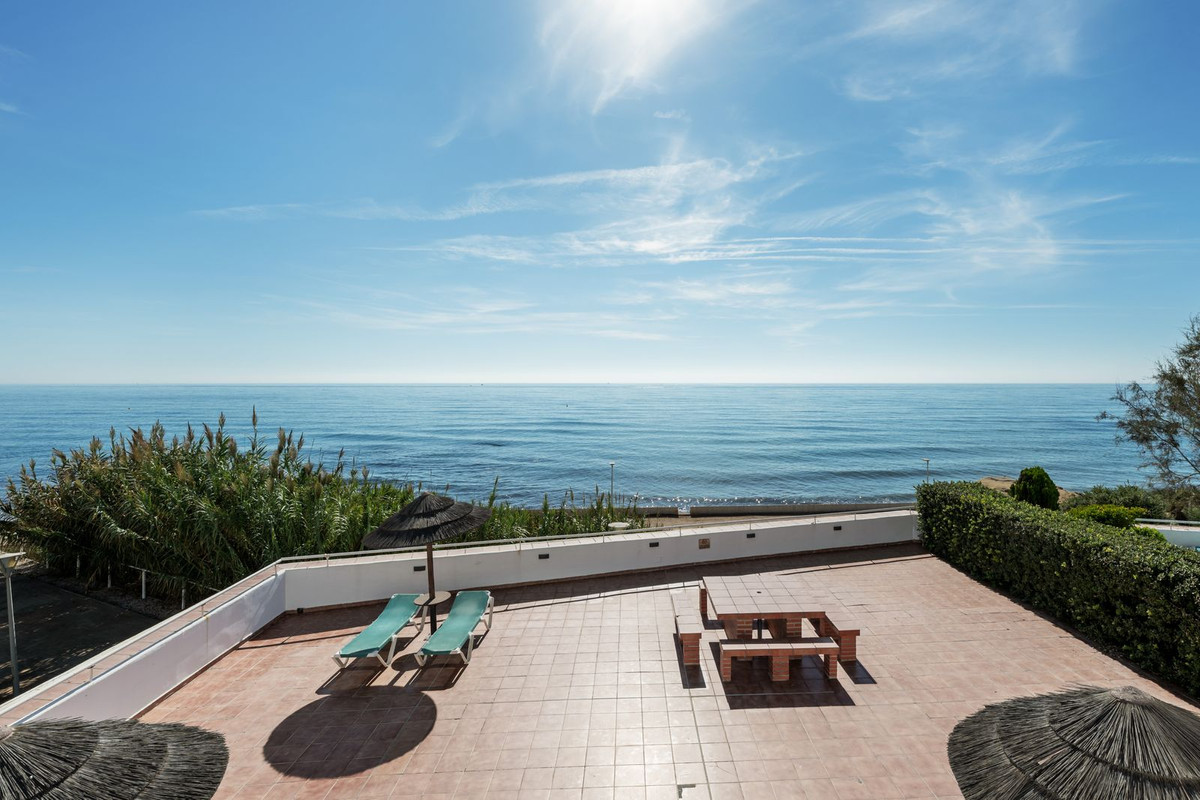
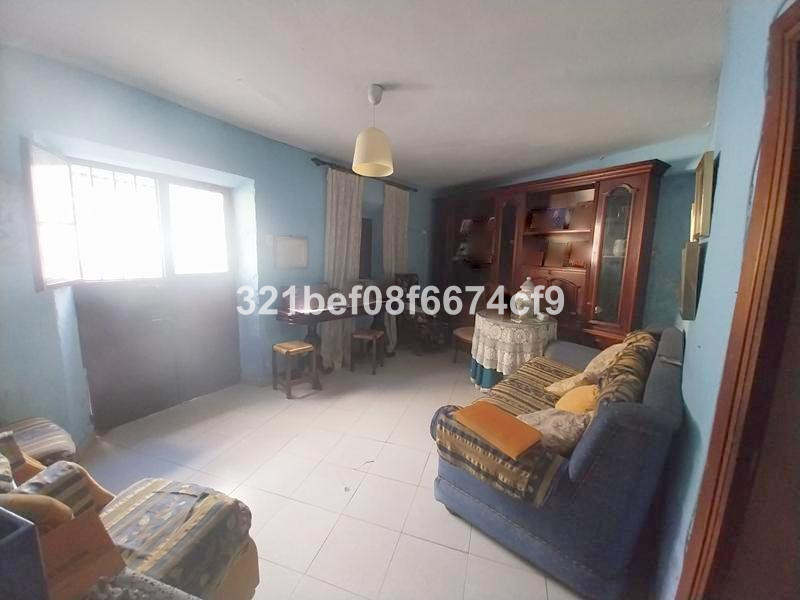
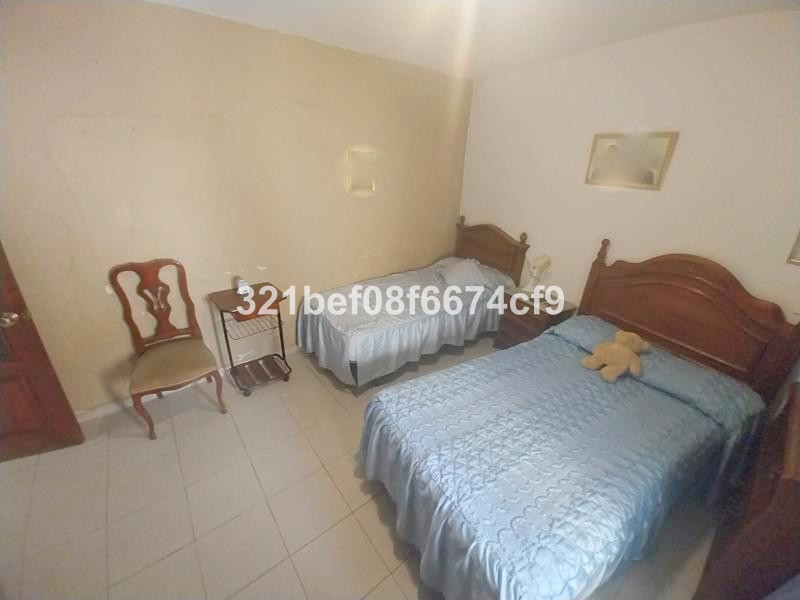
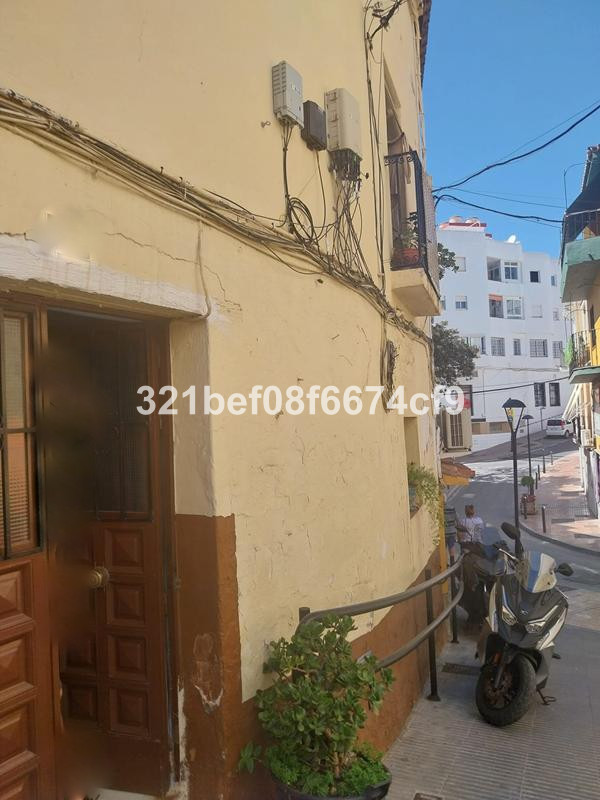
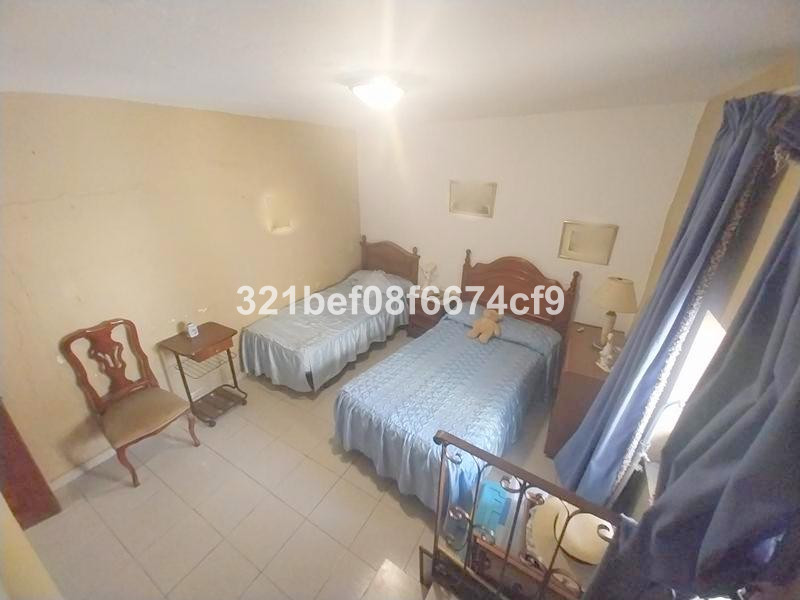
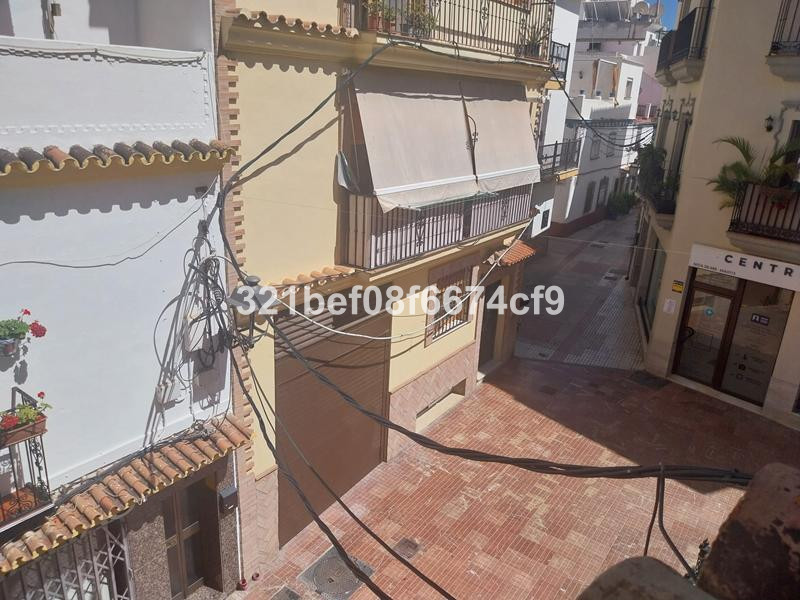
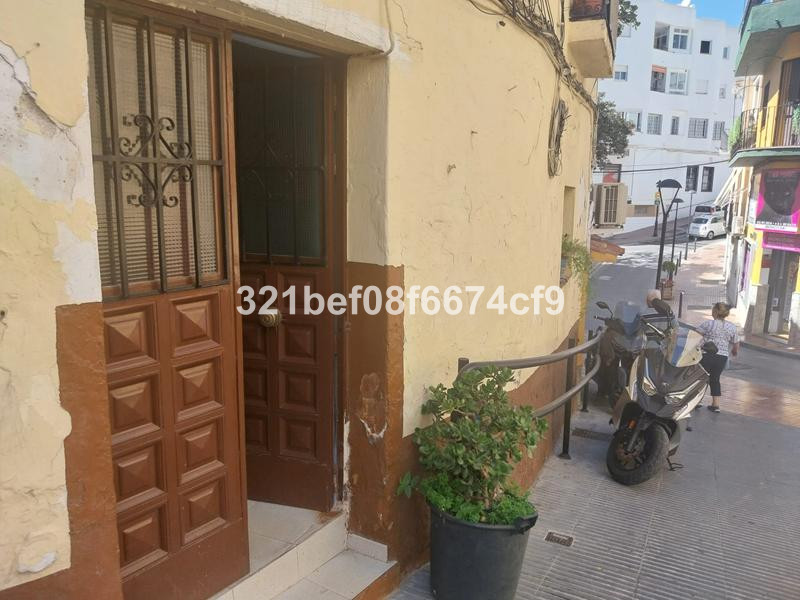
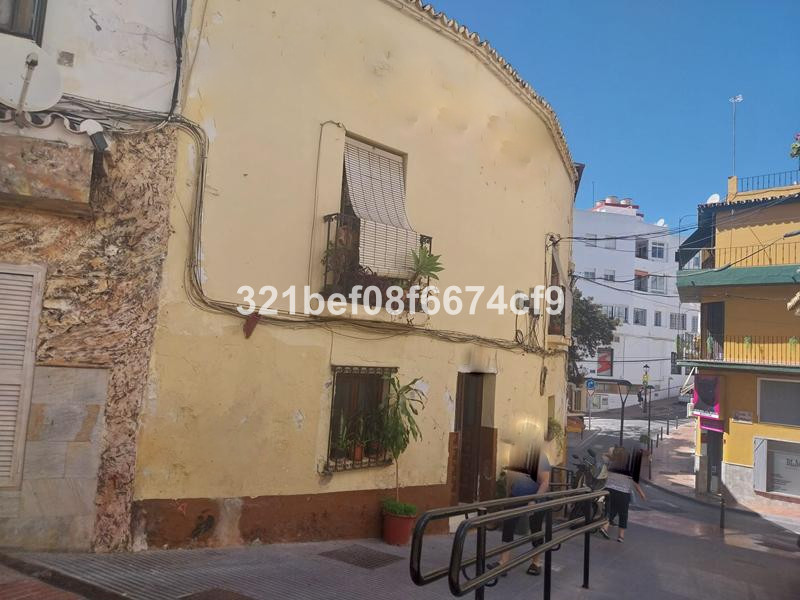
Featured Properties
See more
































Family foundation: taxes in Poland and Spain
The issue of family foundation taxes is one of the most common topics in discussions with legal advisors. The Polish system offers the foundation, among others:
- exemption from CIT (corporate income tax) on income from rental of real estate (within permitted activity),
- no taxation at the stage of capital accumulation within the foundation,
- 15% CIT tax payable only at the moment of benefit payment to beneficiaries.
However, in the case of investing in Spain, the situation is more complicated. The Spanish tax authority (Hacienda) sees the foundation as a Polish legal entity. Spanish non-resident income tax (IRNR) and local property taxes must be taken into account.
Risk of double taxation
Is there a risk of paying taxes twice? The key here is the Polish-Spanish double taxation avoidance agreement. The family foundation, although benefiting from exemption in Poland, should be treated as a tax resident. Proper planning of the property purchase structure in Spain allows minimizing tax burdens, which we discuss in detail in our podcast.
Why do investors choose this model?
The main reason why family foundation Spain is an increasingly common combination is security. The foundation:
- Prevents asset fragmentation (property in Spain remains in one “hand” for generations).
- Protects against claims for forced heirship (assets transferred into the foundation after a certain time do not form part of the estate).
- Offers cash-flow optimization (rental profits in Spain can be reinvested in additional apartments without paying the 19% Belka tax or CIT in Poland immediately).
Listen to the podcast: Family foundation in practice
Learn more about the procedure of establishing a foundation, common investor mistakes, and how to safely conduct purchasing real estate in Spain through a family foundation in our conversation with Magdalena Jarmołkowicz.
🎧 Listen to the episode on YouTube:
FAQ – Family foundation and real estate in Spain
Can a family foundation conduct business activity?
Yes, but only within the scope defined by law (e.g., rental, lease, disposal of property). Exceeding this scope involves a punitive CIT rate of 25%.
Does a foundation beneficiary have to pay tax for staying in a house in Spain owned by the foundation?
Making the property available to beneficiaries from the so-called zero group (close family) is usually exempt from income tax, which is a huge advantage compared to a classic limited liability company.
How much does it cost to set up a family foundation?
The required founding fund is at least 100,000 PLN. Notarial fees, registry entry and legal service costs for the statute add to this.
Can the foundation take a loan for a house in Spain?
It is possible, although Polish and Spanish banks are still learning to handle this type of entity. A more common model is financing the purchase with the foundation’s own funds or loans from the founder.
This article is for informational purposes only and does not constitute legal or tax advice. Before deciding to establish a foundation and purchase real estate in Spain, consult a licensed advisor.