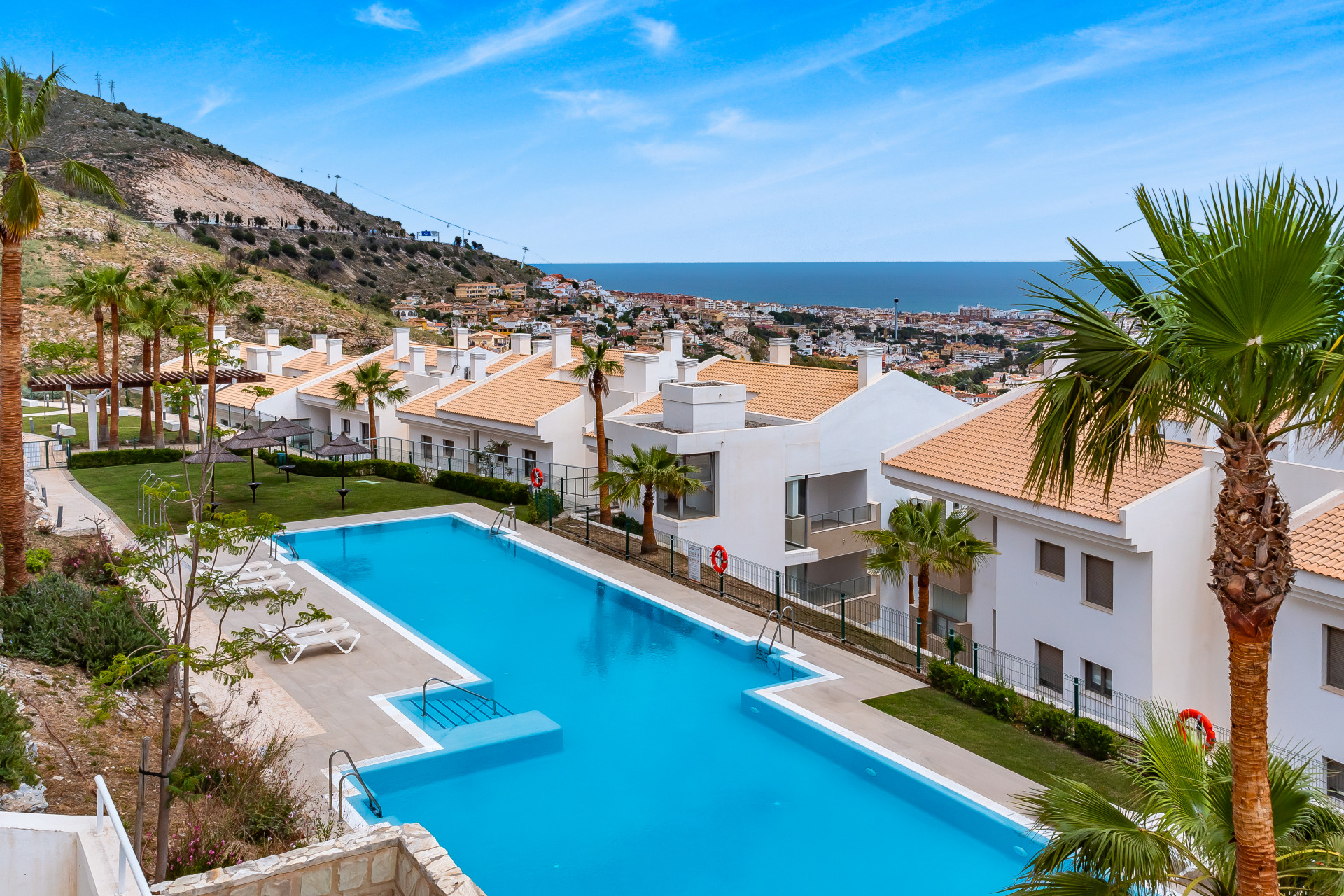
The real estate market on the Costa del Sol after Q2 2026. Is it still a good time to buy?


The real estate market on the Costa del Sol has remained one of the most attractive markets in Europe for years. The Spanish coast attracts not only those looking for a second home in a sunny climate but also investors who treat real estate as a safe capital investment. After the extremely dynamic years 2021 – 2024, the market has entered a new phase. Buyers are more aware, analyze offers more thoroughly, and are less likely to make decisions based on emotions.
What will you find in the article?
- The real estate market on the Costa del Sol is stabilizing
- An increasingly aware investor
- The international character of the Costa del Sol remains its greatest strength
- Changes in short-term rental regulations. Should investors be worried?
- Buyers seek safety, not bargains
- Financing remains available
- Geopolitics increasingly impacts the real estate market
- Forecasts for the second half of 2026
- Our commentary
- FAQ
Analysis of the second quarter of 2026 indicates more of a market stabilization rather than weakening. We still observe strong interest in properties in Spain, but simultaneously a significantly greater selectivity among clients. Today, not only location, attractive views, or modern apartments matter. Increasingly important are high investment potential, legal security, and the possibility of long-term value growth.
The real estate market on the Costa del Sol is stabilizing
After a period of record demand, many investors wonder if the best time to buy has already passed. According to most experts, the answer is: no. What has changed is the decision-making approach. A few years ago, attractive properties disappeared from the market almost immediately. Today, buyers much more often compare offers, analyze documentation, consult advisors, and calculate the total cost of investment more precisely. This is a natural market evolution.
The number of transactions is decreasing, but prices are rising. In the second quarter of 2026, the number of sales transactions across Spain decreased by 10.2%, while prices increased by 9.4%. In Andalusia, sales were down by 9.5%, with prices rising by 8.6%.
A mature market does not mean lack of demand. On the contrary, it means buyers expect quality and are willing to pay an appropriate price for a property that truly reflects it.
An increasingly aware investor
One of the most interesting phenomena visible in 2026 is the change in the way buyers think. A few years ago, the prevailing question was: “Is it worth buying property in Spain?”
Today, other questions arise more frequently:
- Will this location still be attractive in 10 years?
- What will the maintenance costs be?
- Does the homeowners’ association allow short-term rentals?
- What is the property’s legal status?
- What are the realistic possibilities of resale later on?
This is a very positive change. Thanks to this, investors make more informed decisions, and the market becomes more stable.
The international character of the Costa del Sol remains its greatest strength
The real estate market on the Costa del Sol has been one of the most international markets in Europe for many years. Buyers come from dozens of countries, and each group is driven by slightly different motivations. Some look for a holiday home, others plan to relocate. Increasingly, people working remotely choose Spain as a place to live for most of the year. There are also many investors who diversify their wealth by placing part of their capital outside their country of residence.
This diversity makes the Costa del Sol less susceptible to short-term economic fluctuations in a single country. Even if the economic situation worsens in Germany, Sweden, or Belgium, demand is balanced by clients from other parts of Europe and beyond. Investors from the Middle East and North America who see Spain as a safe and stable investment destination are also gaining increasing importance.
Changes in short-term rental regulations. Should investors be worried?
One of the most frequently discussed topics in the first half of 2026 was changes regarding short-term rentals. The new regulations raised many questions, especially among people planning to buy an apartment with the intention of tourist rental. In practice, however, it is worth separating facts from media headlines.
Spain has been striving for several years to regulate the short-term rental market. The aim of the changes is not to block investments but to increase market transparency, reduce unfair competition, and provide greater protection for residents of communities. For the buyer, this primarily means the need for more thorough verification of the property before purchase.
It is advisable to verify, among other things:
- whether the homeowners’ association permits short-term rental,
- whether the property has the required license or if it is possible to obtain one,
- what regulations apply in the specific municipality,
- whether the planned investment strategy complies with local regulations.
Therefore, cooperation with a local real estate agent and a law firm that know the regulations applicable in the specific location is becoming increasingly important.
Buyers seek safety, not bargains
A few years ago, many purchase decisions were made very quickly. Fears of rising prices and escalation of the war in Ukraine meant that clients often reserved a property after the first presentation.
Currently, we observe a completely different approach. Buyers want to know:
- what the maintenance costs of the property will be,
- what taxes they will have to pay,
- whether the property will be easy to rent out or sell in the future,
- what the legal status of the investment is.
This indicates market maturity. Well-prepared investors are less driven by momentary emotions and more often analyze the property’s potential over many years.
Featured Properties
See more

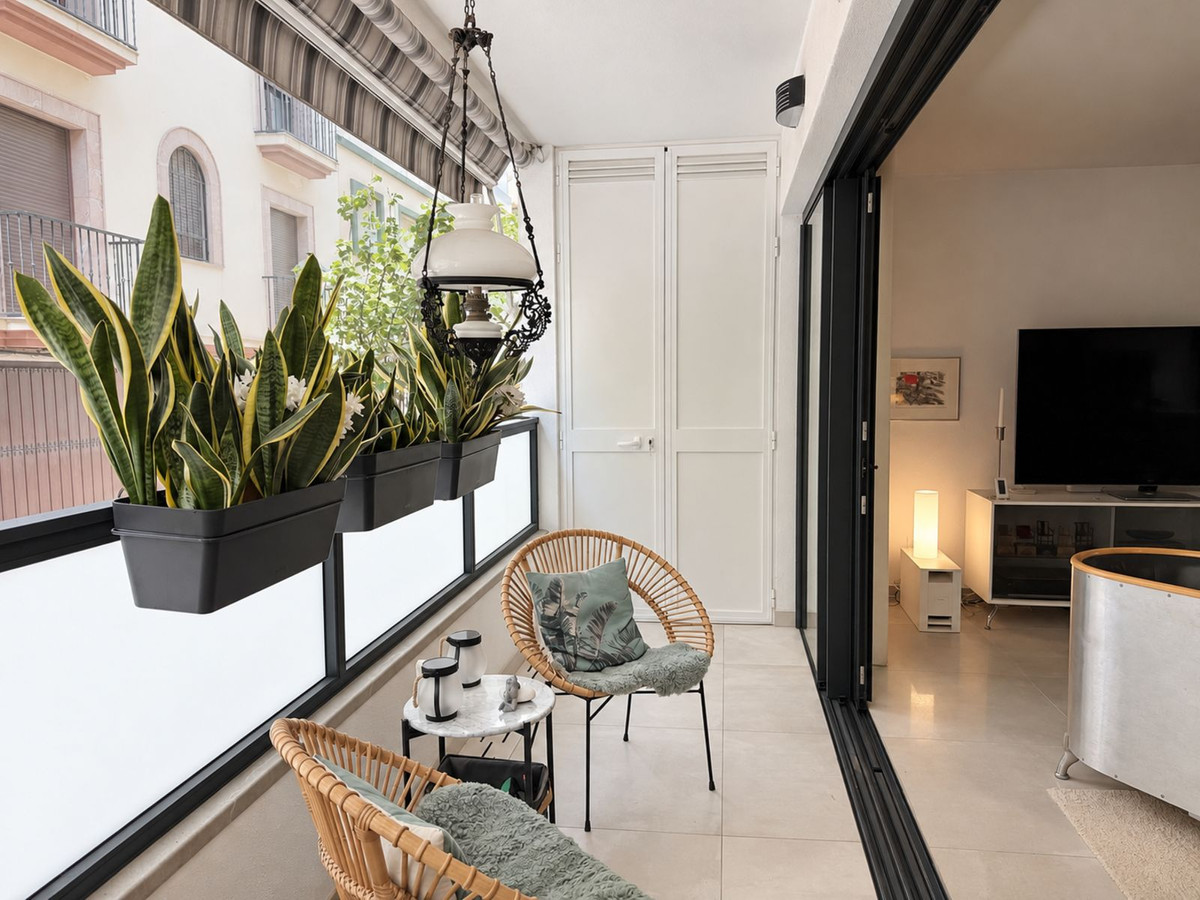
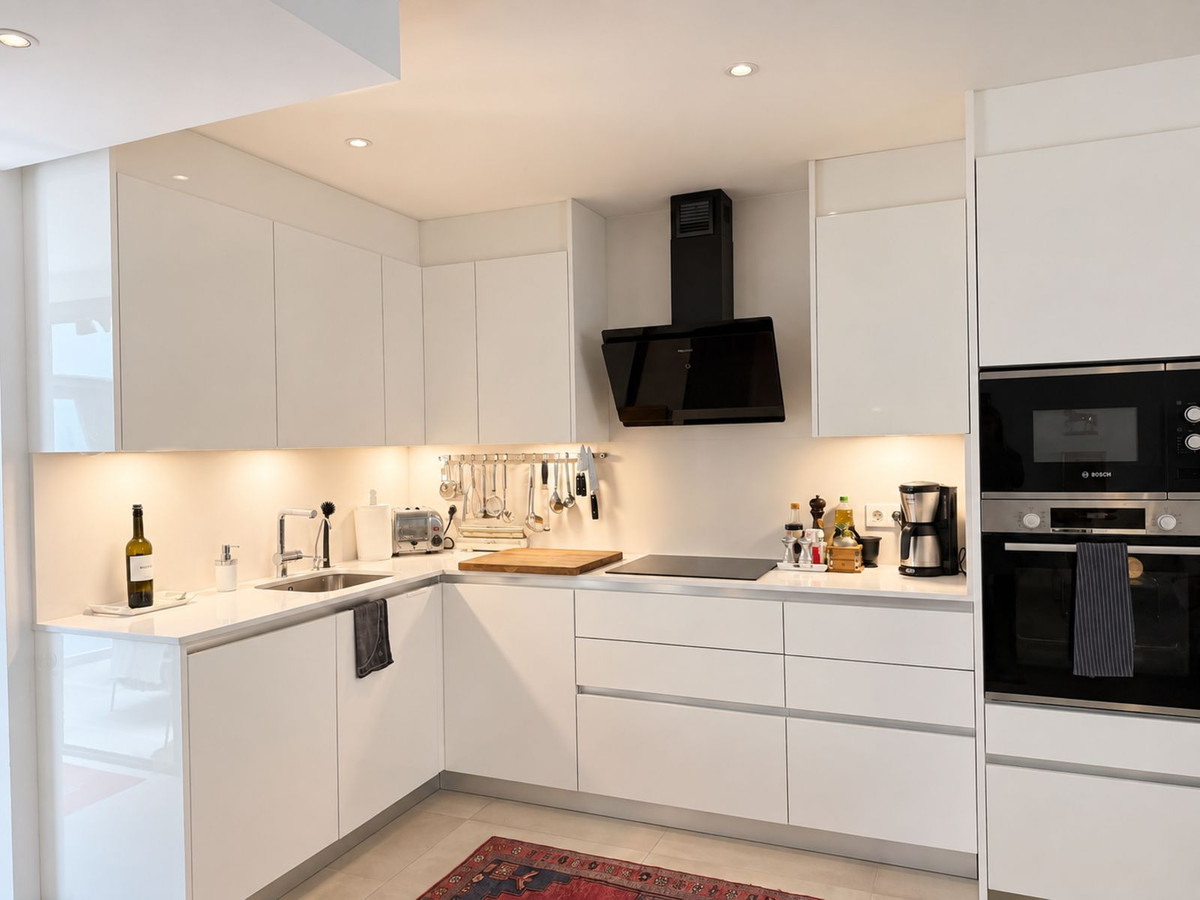


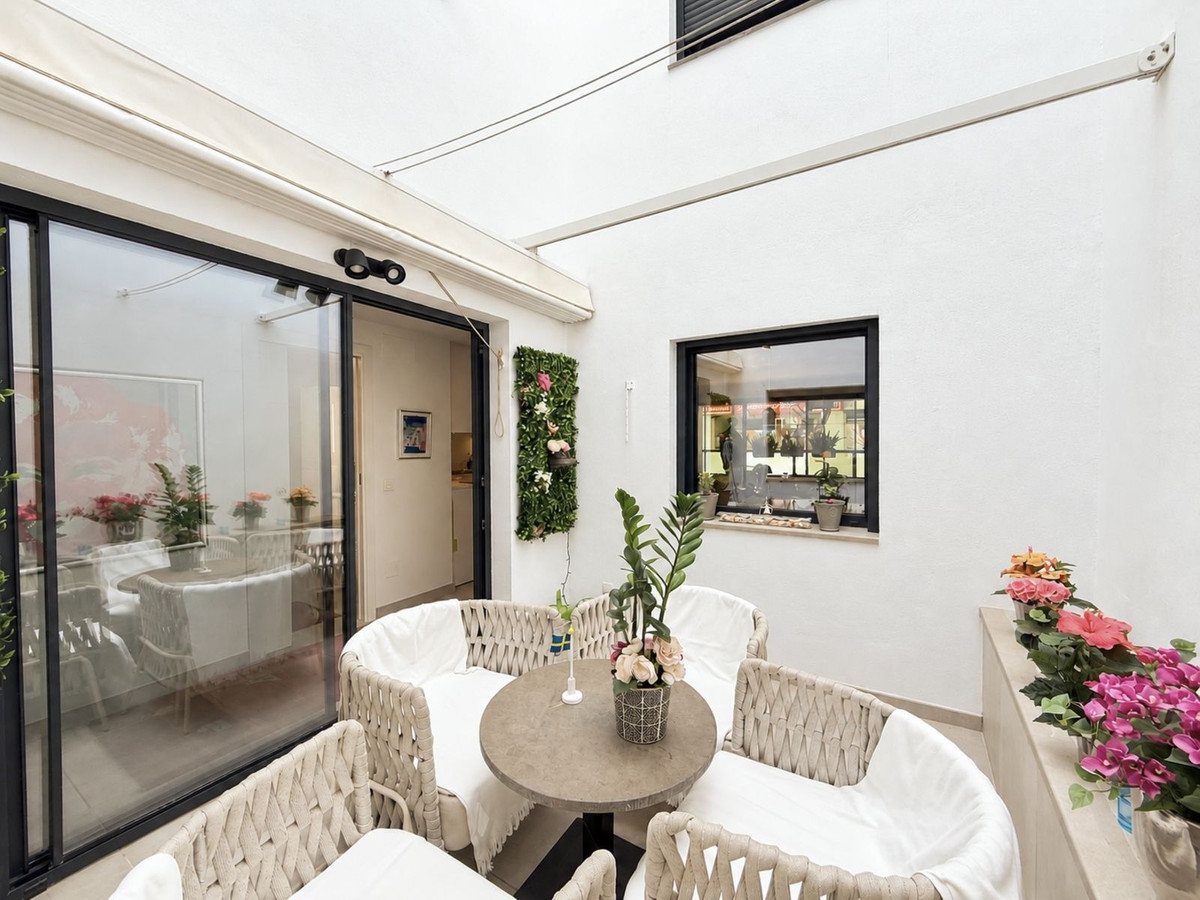

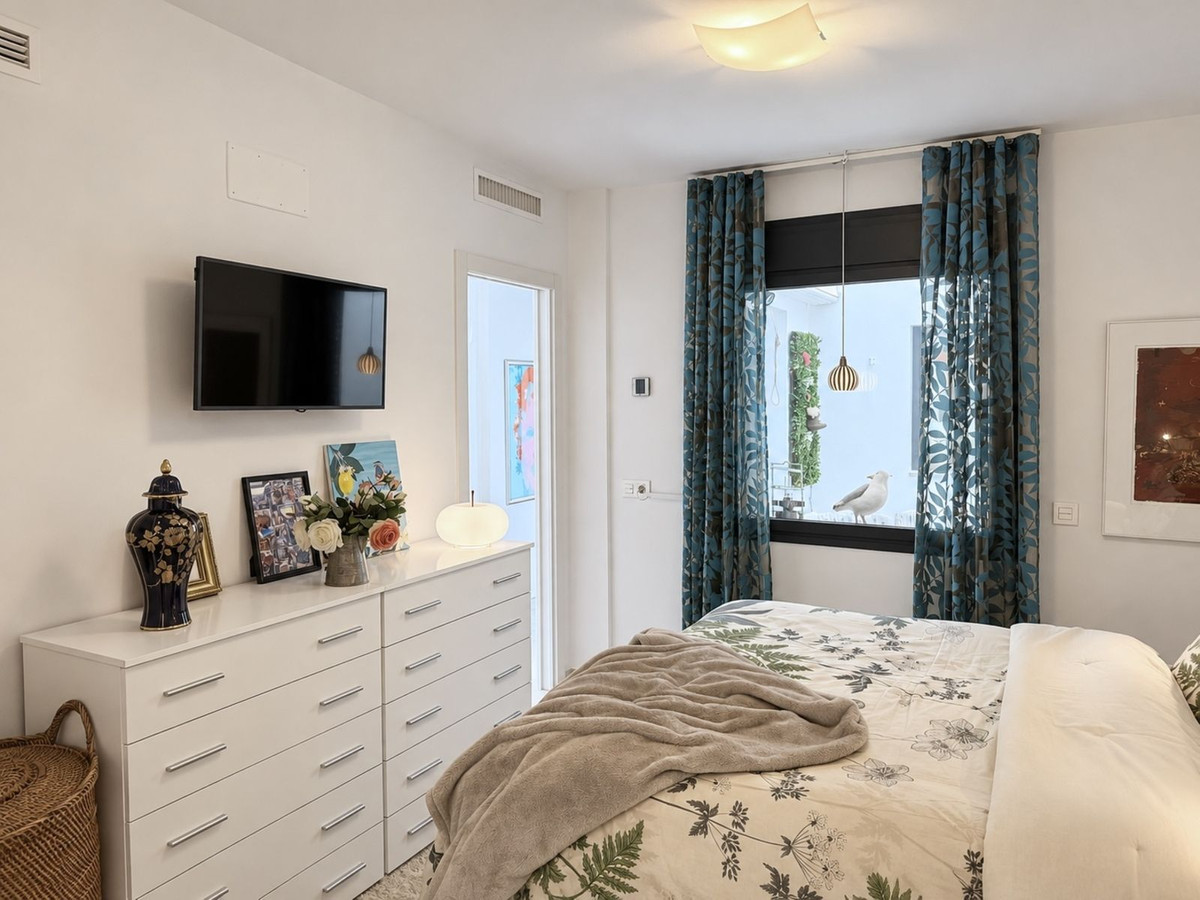
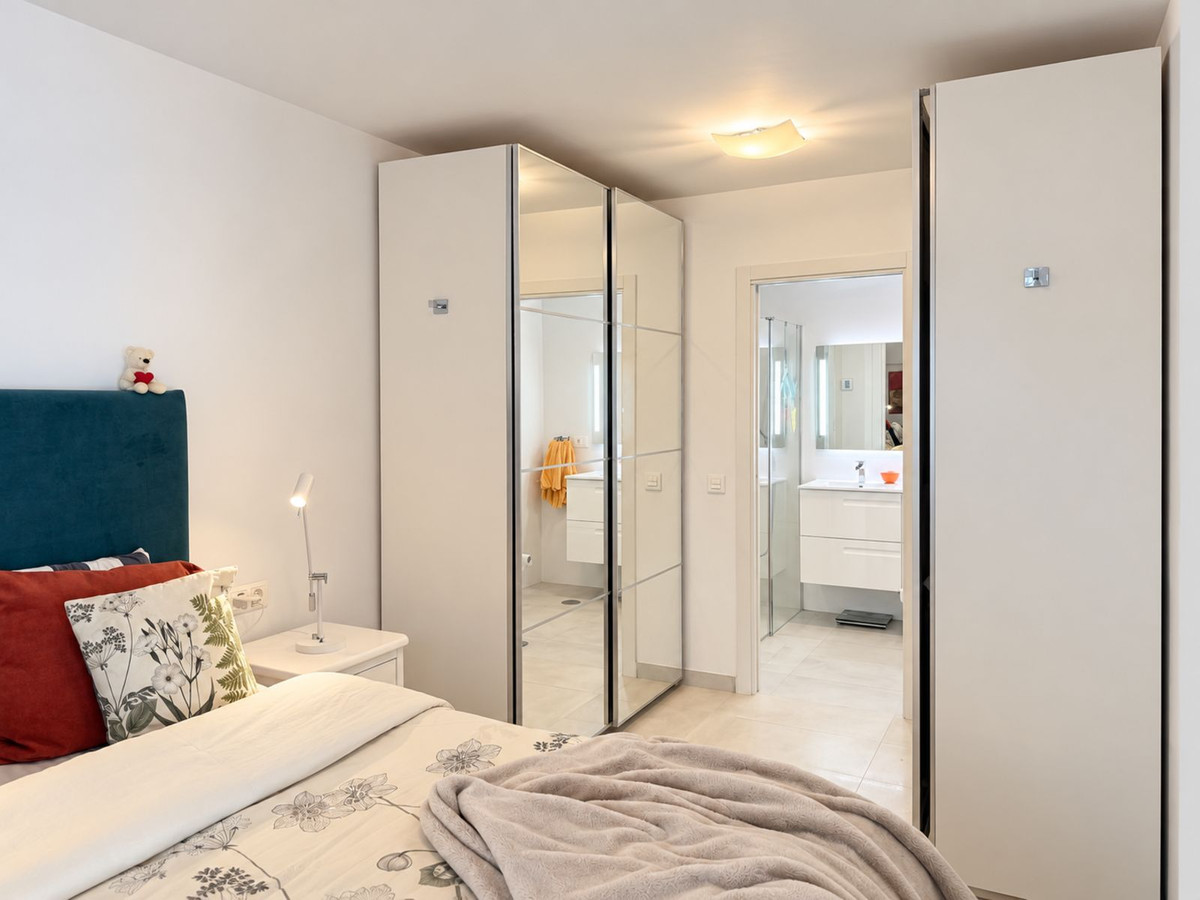
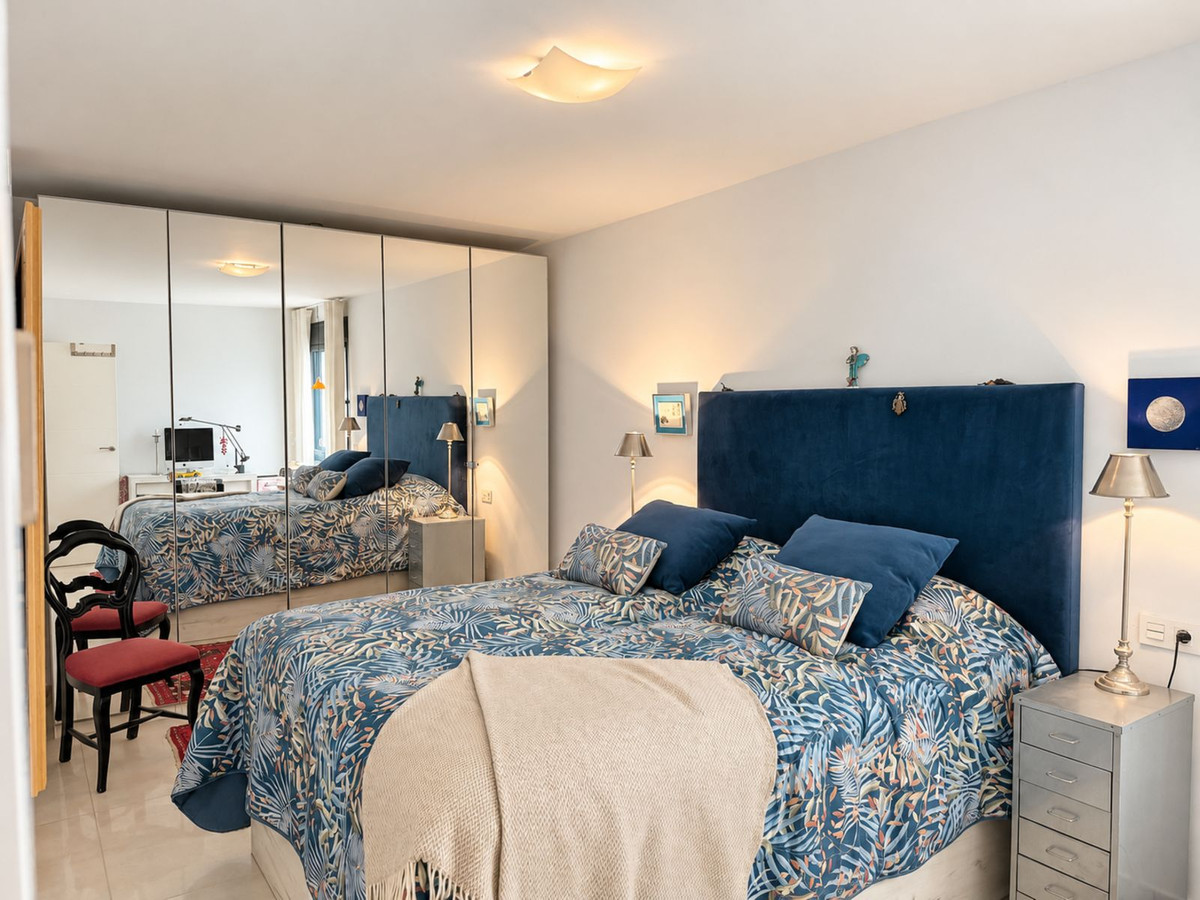
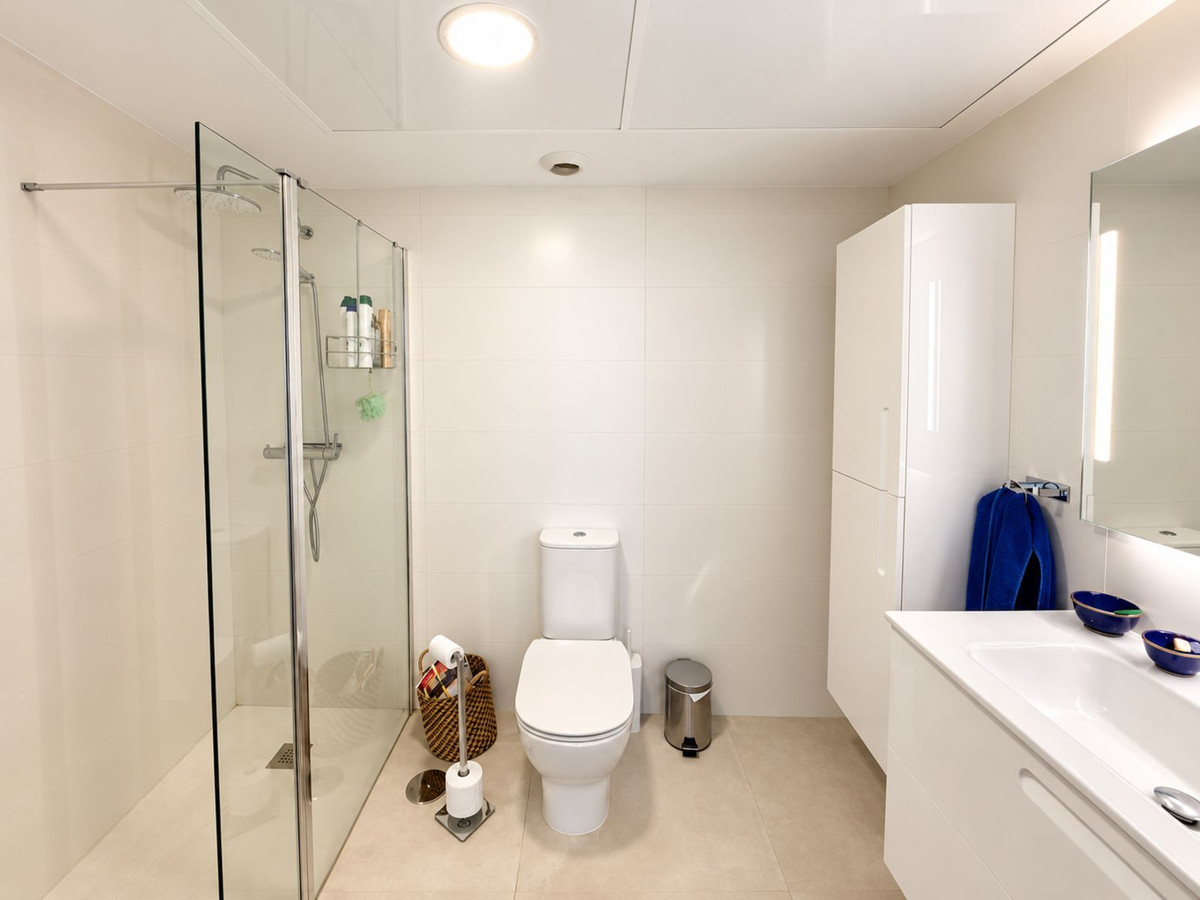
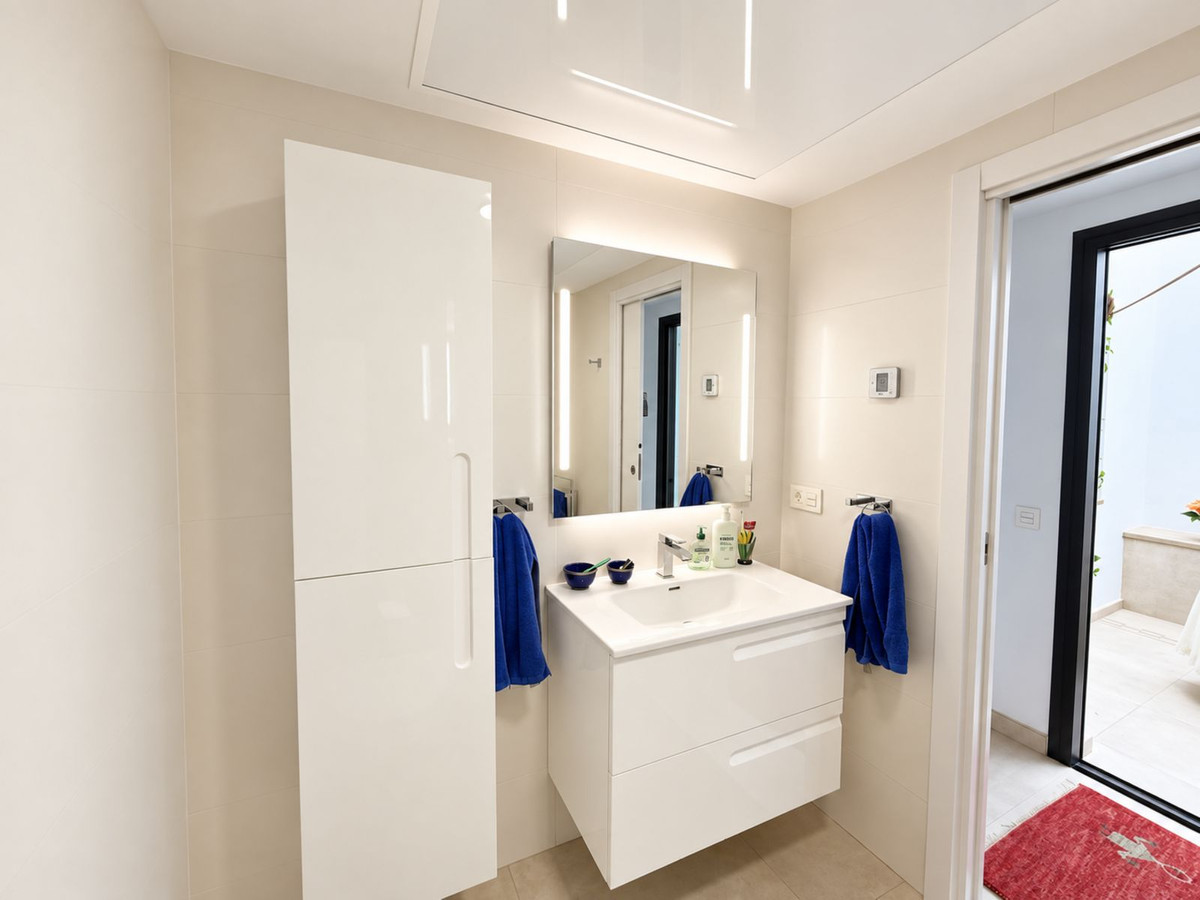
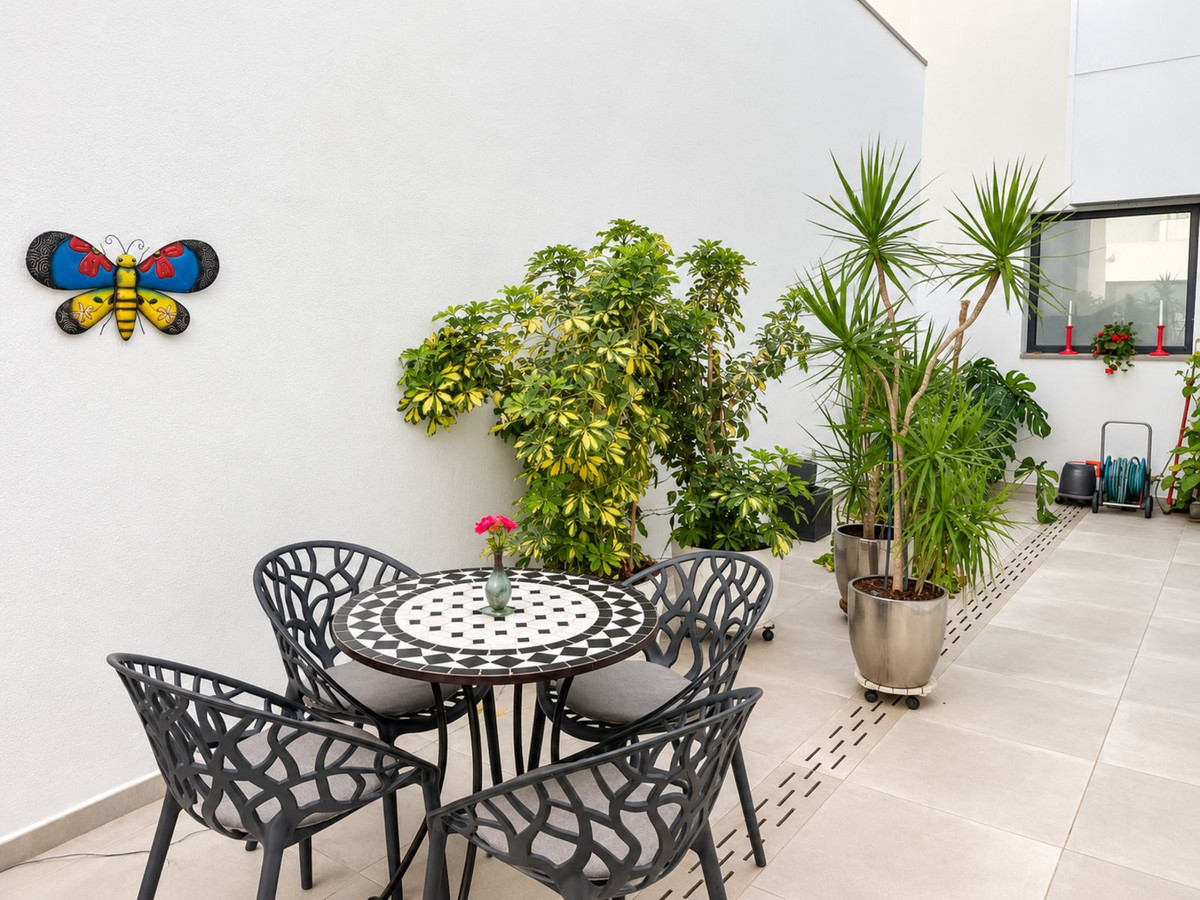

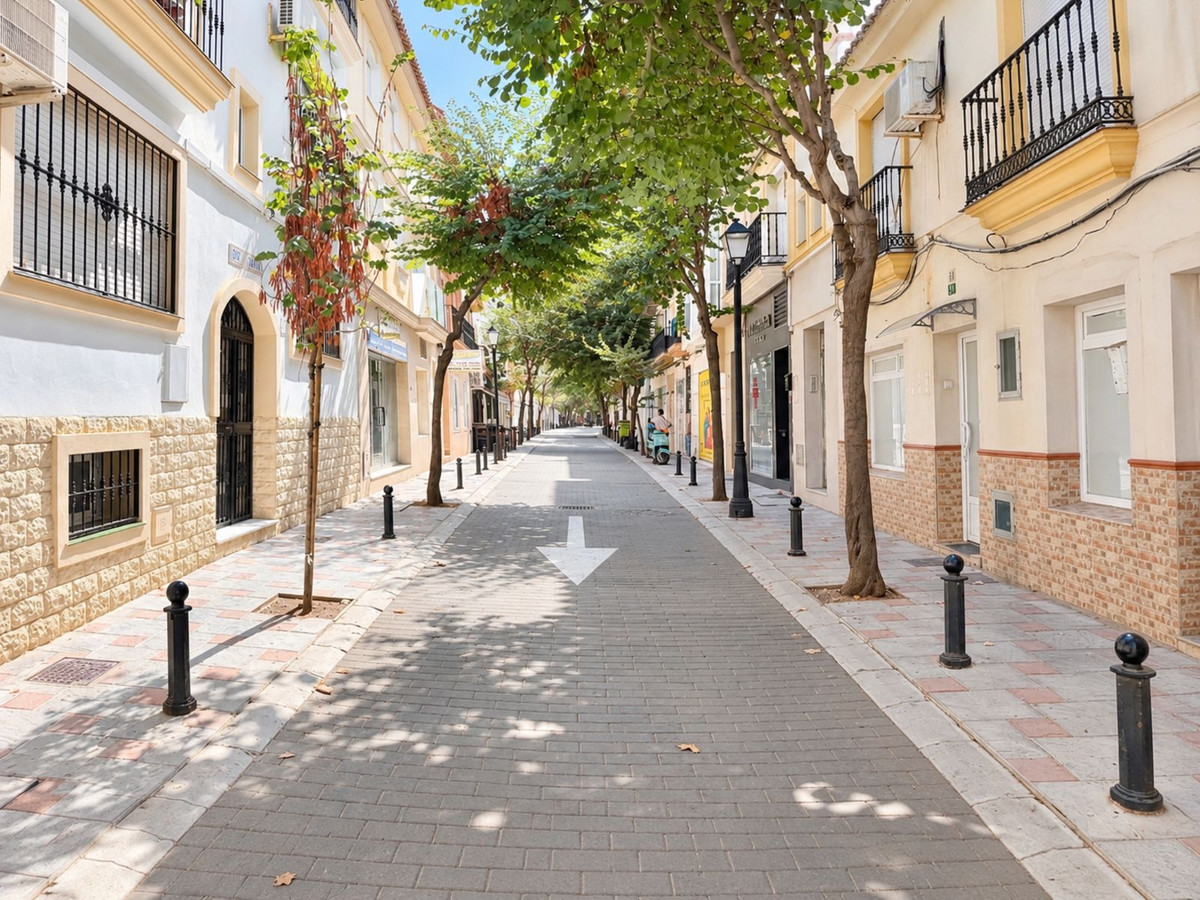

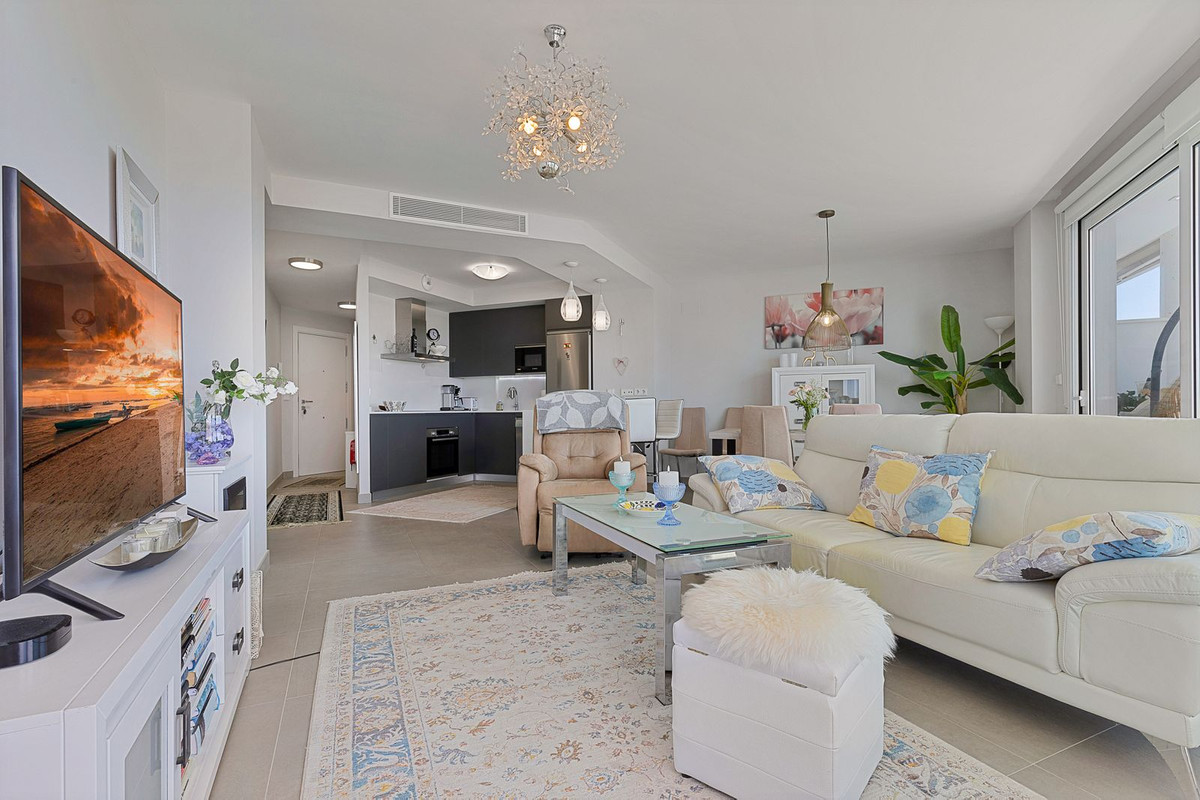
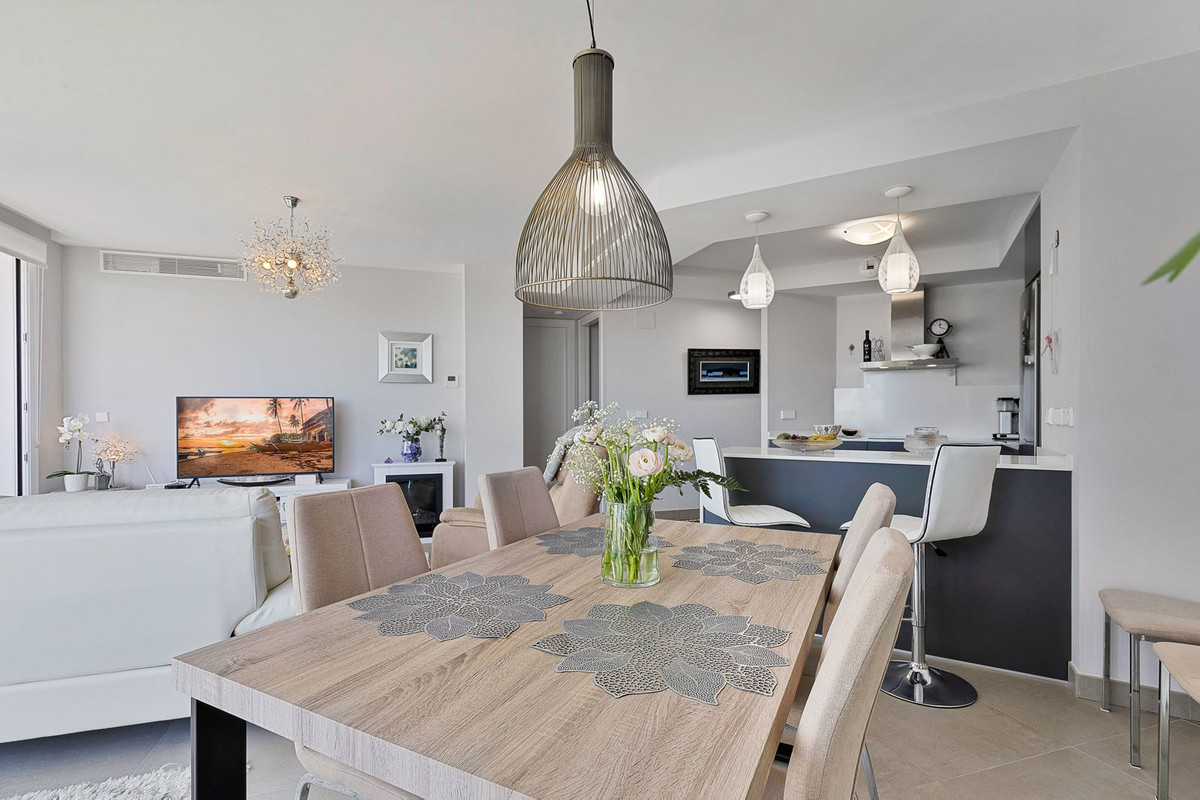
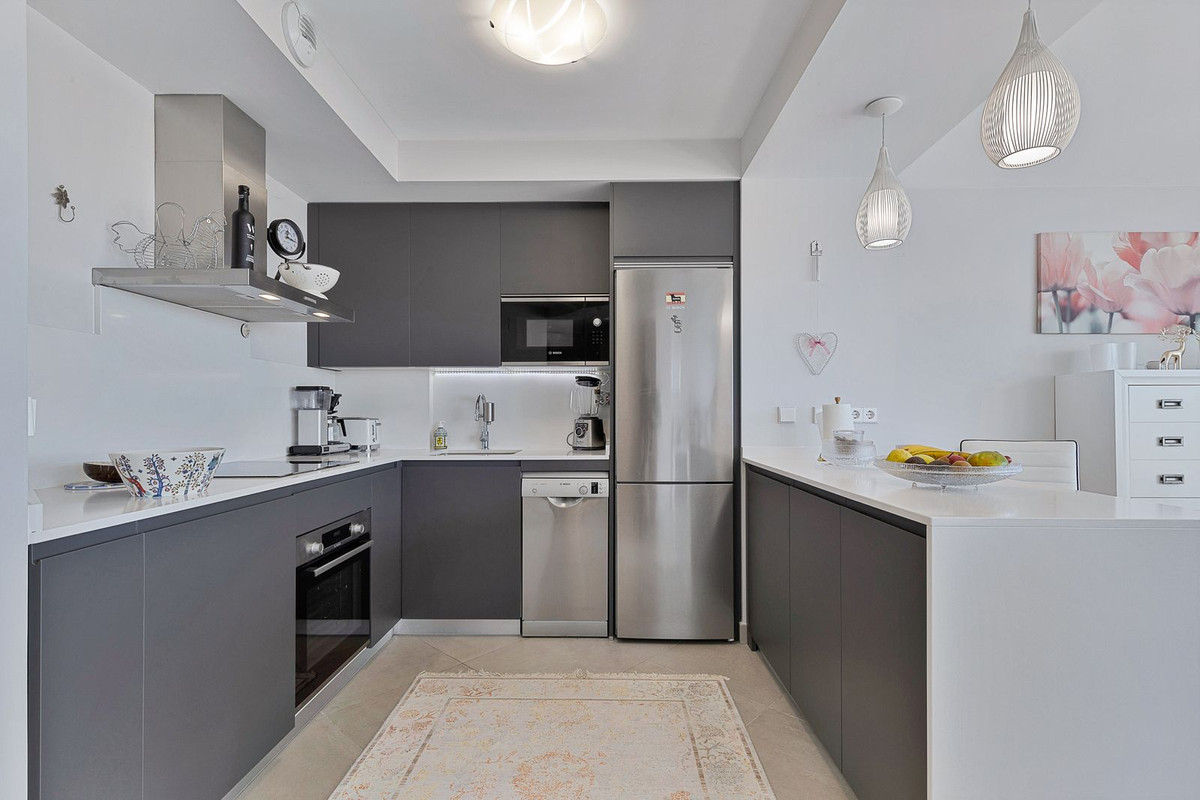
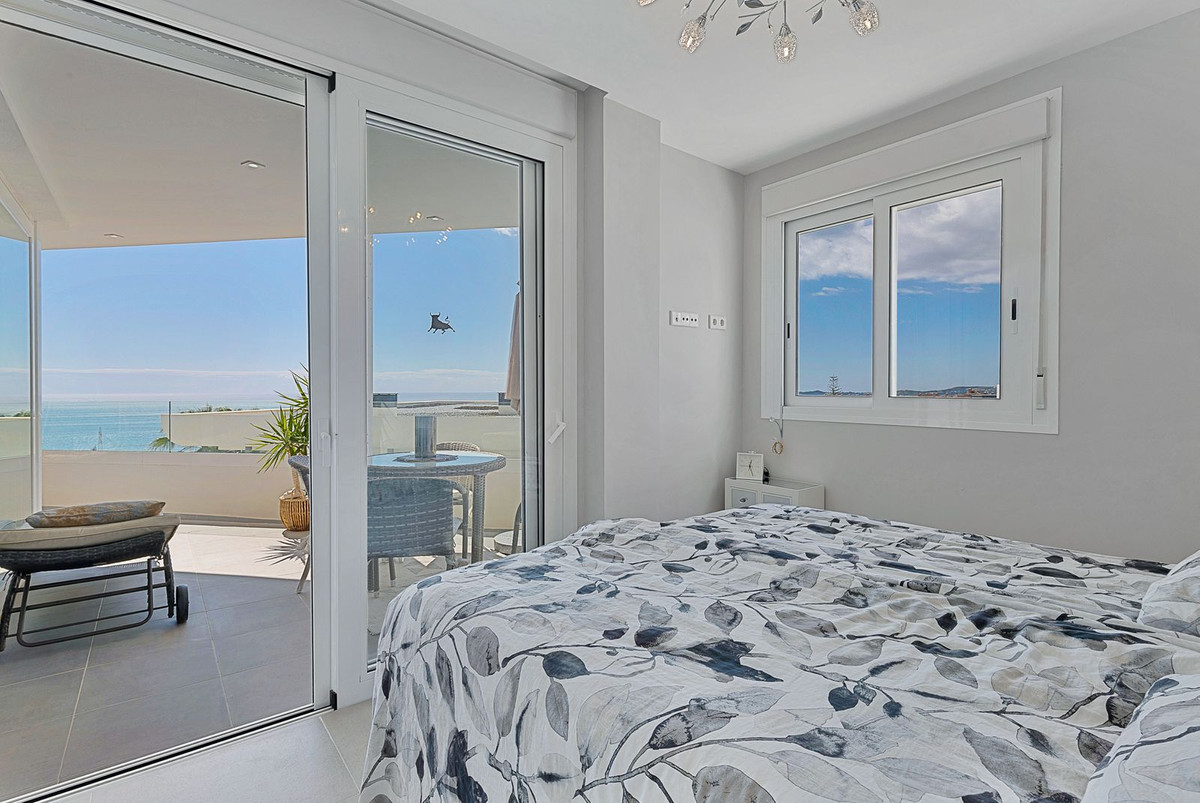
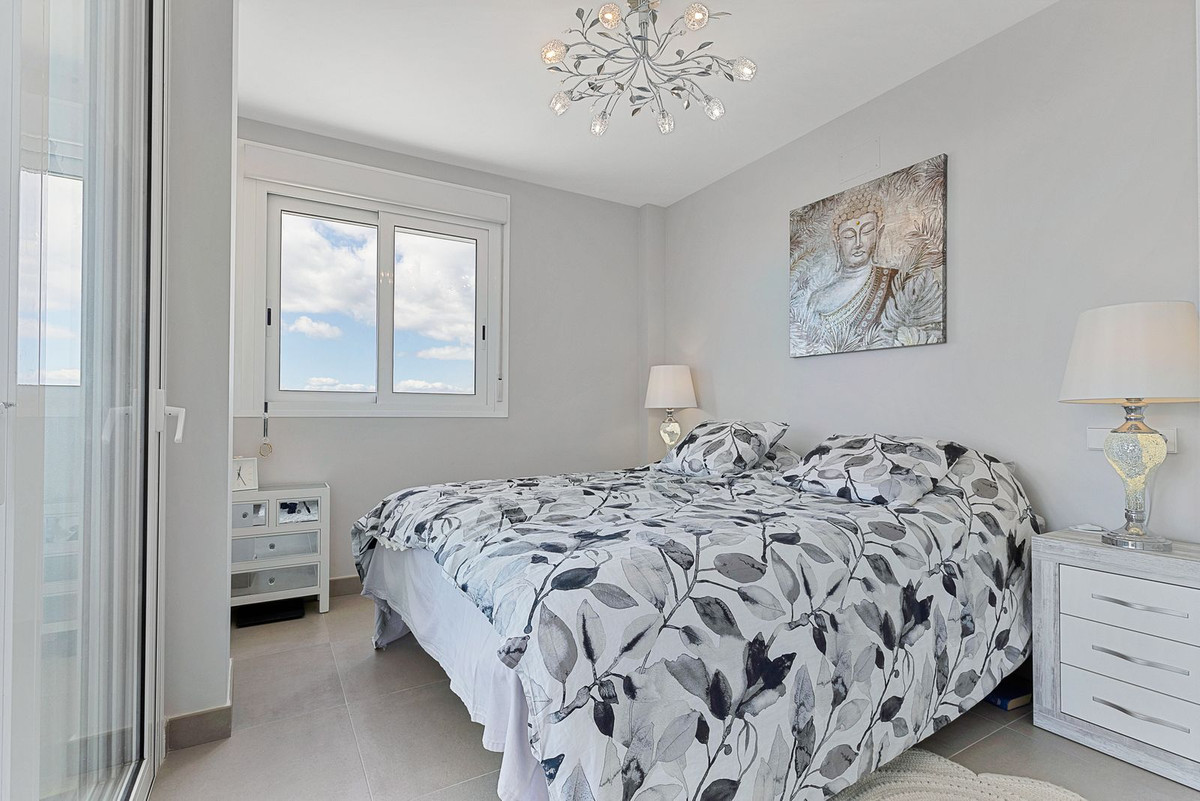
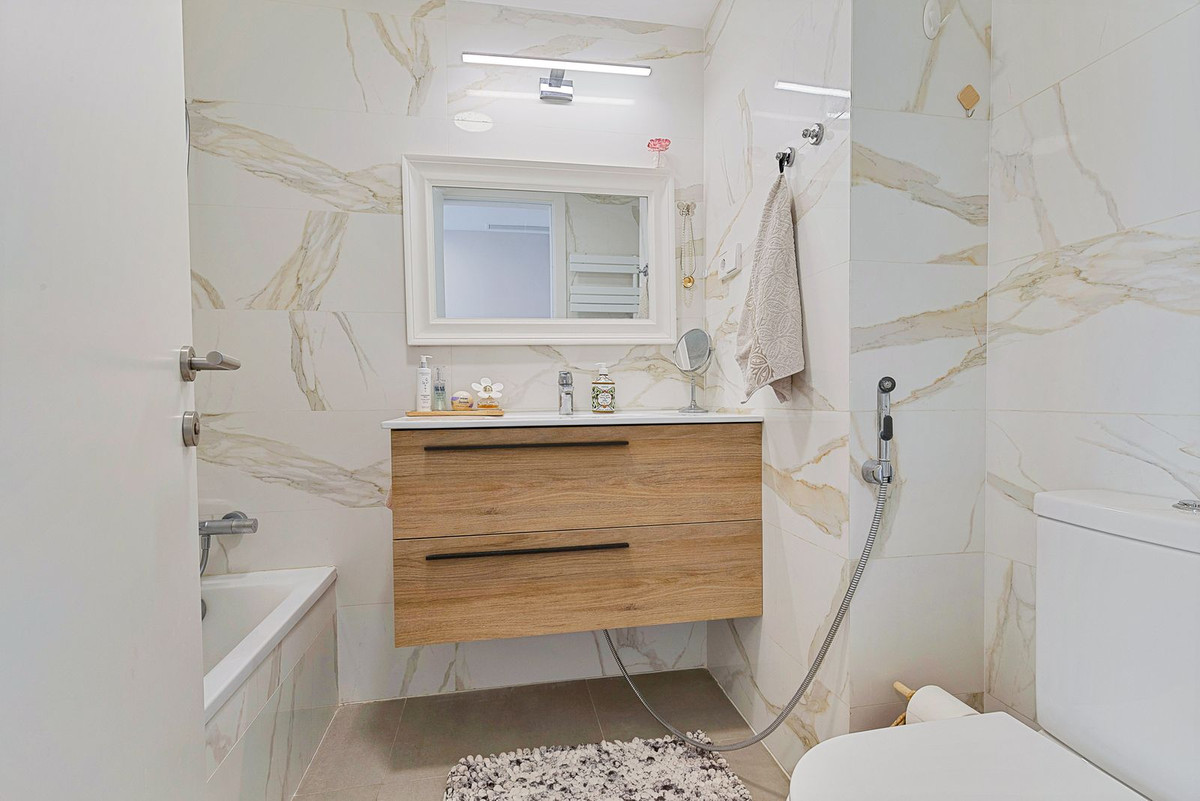
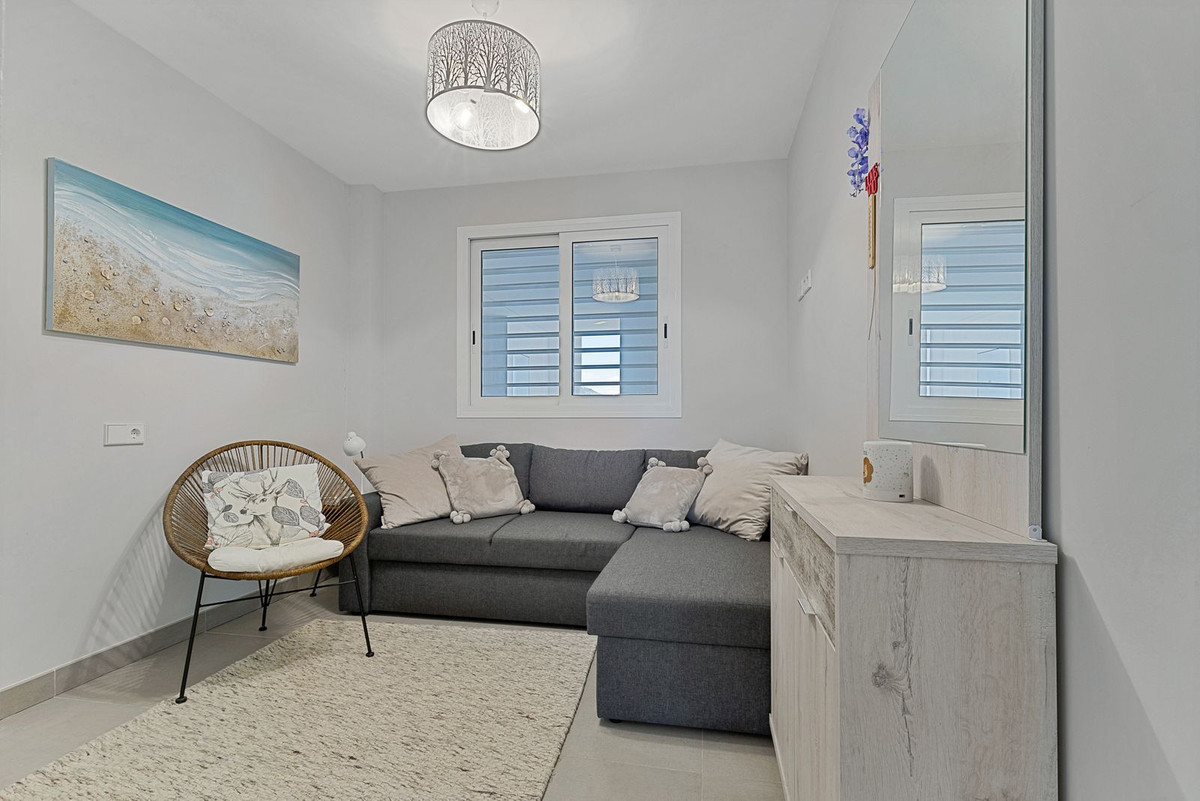
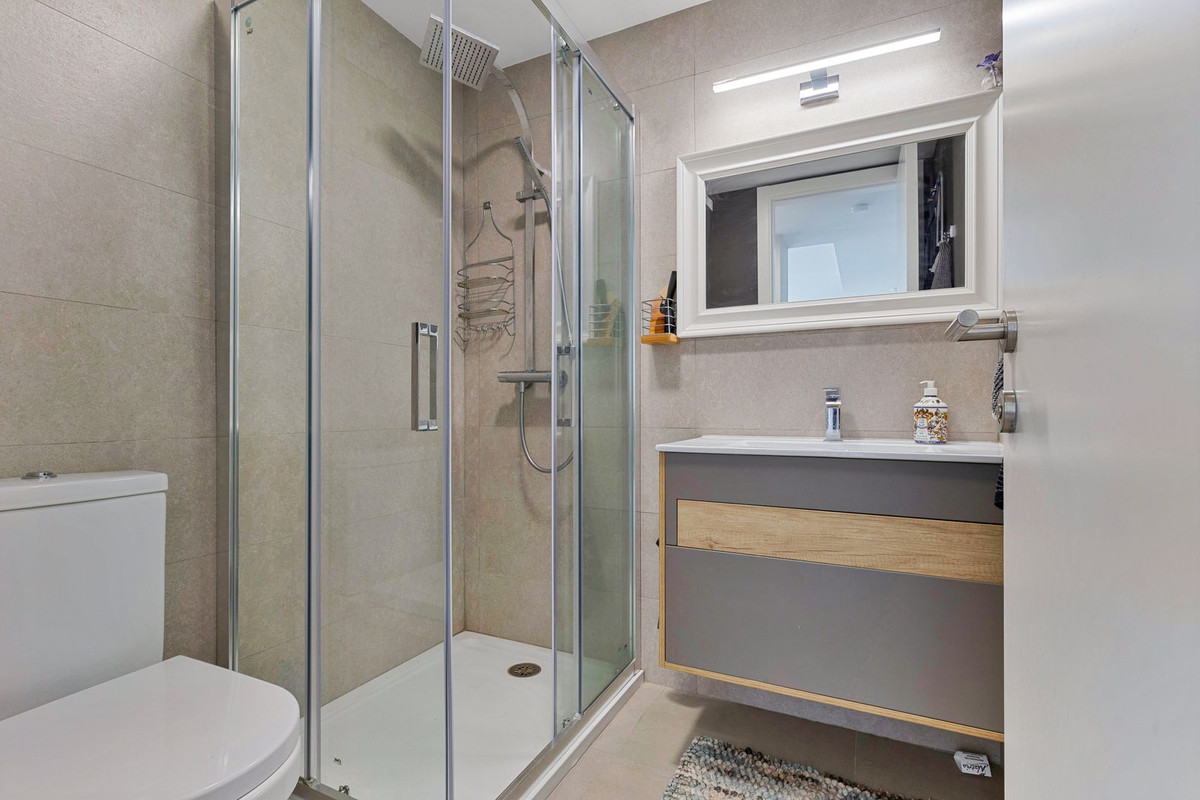
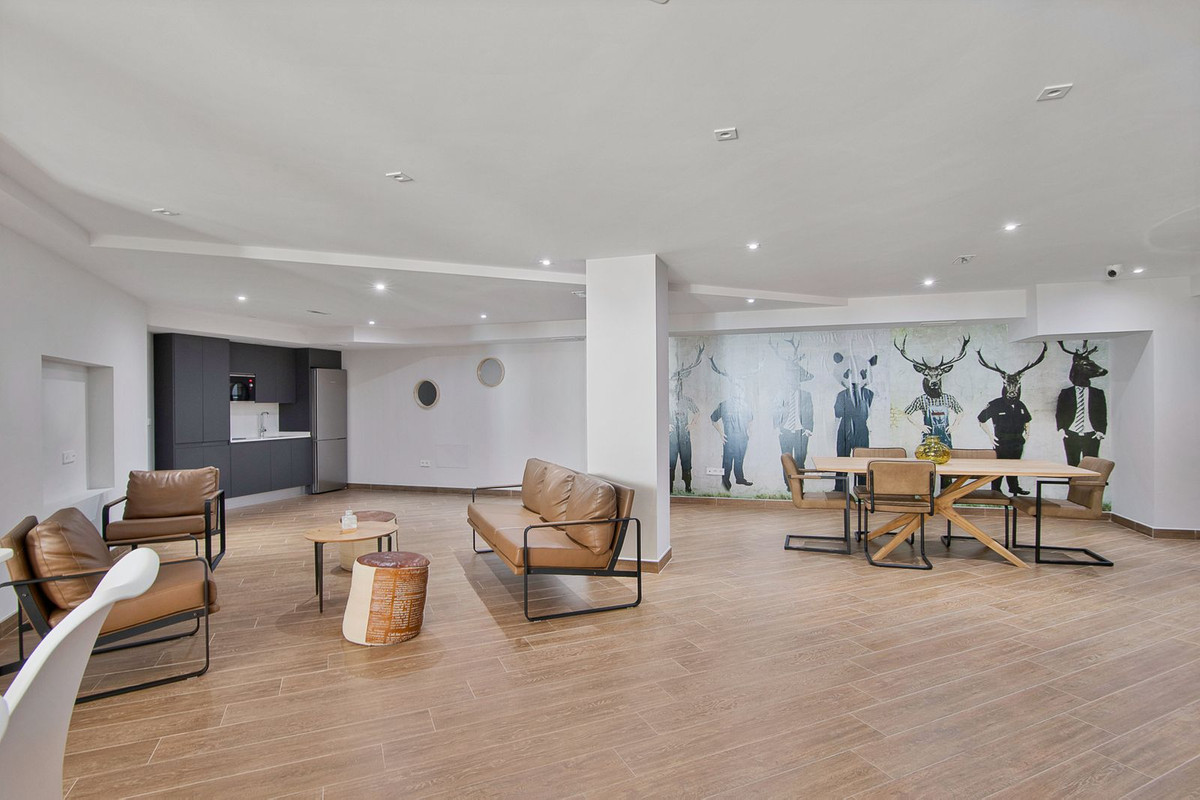
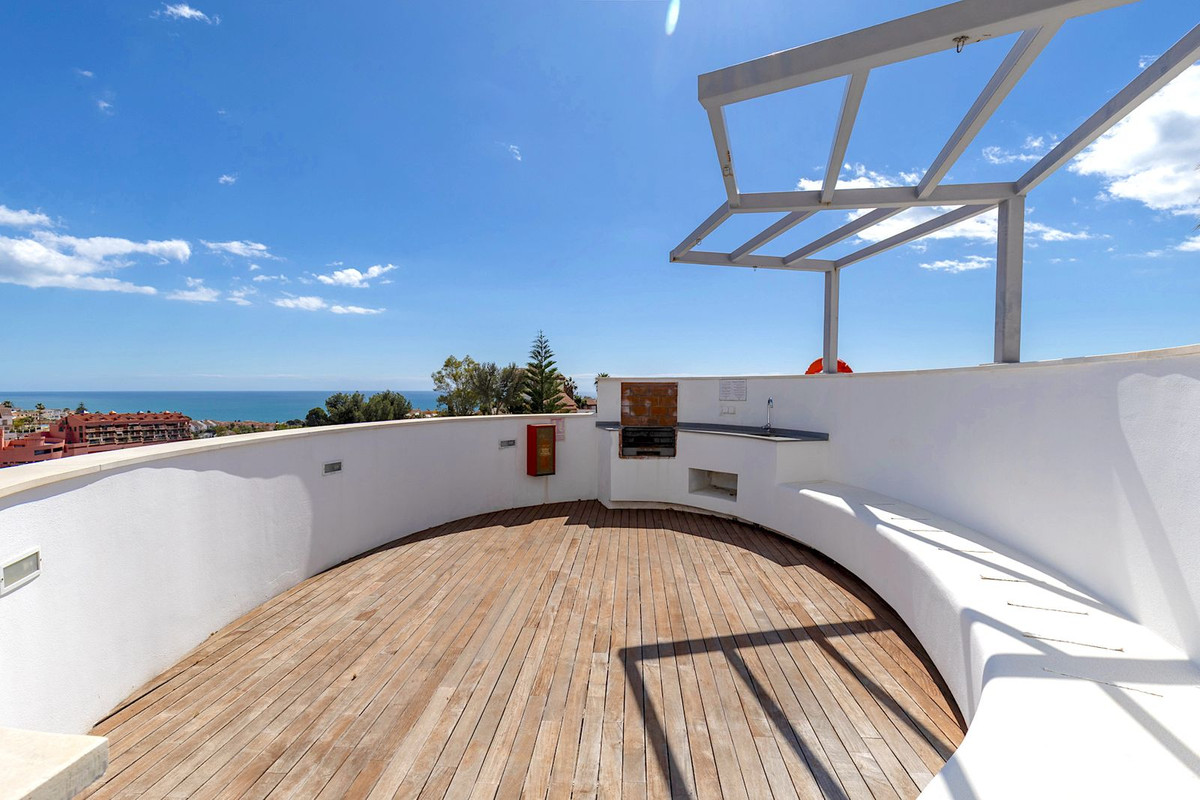
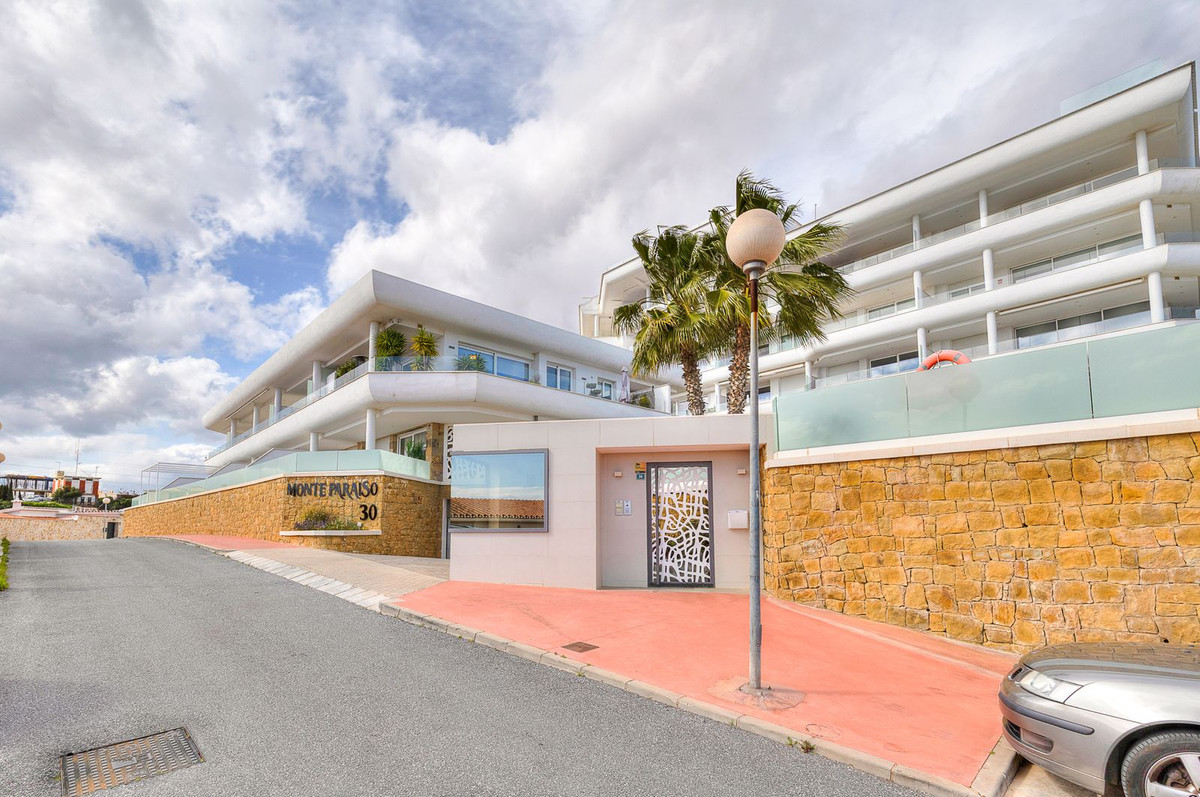
Ground Floor Apartment in Fuengirola
Fuengirola
€ 549.000
Property ref : R5482453
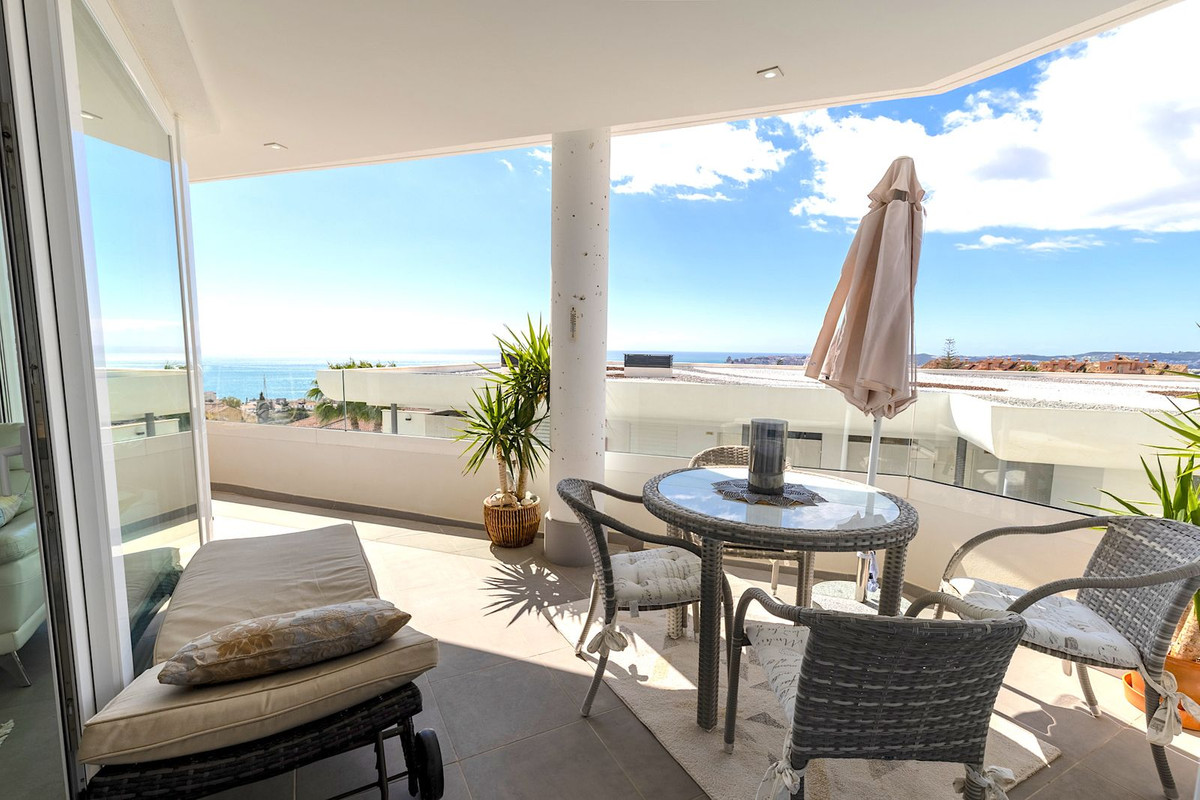
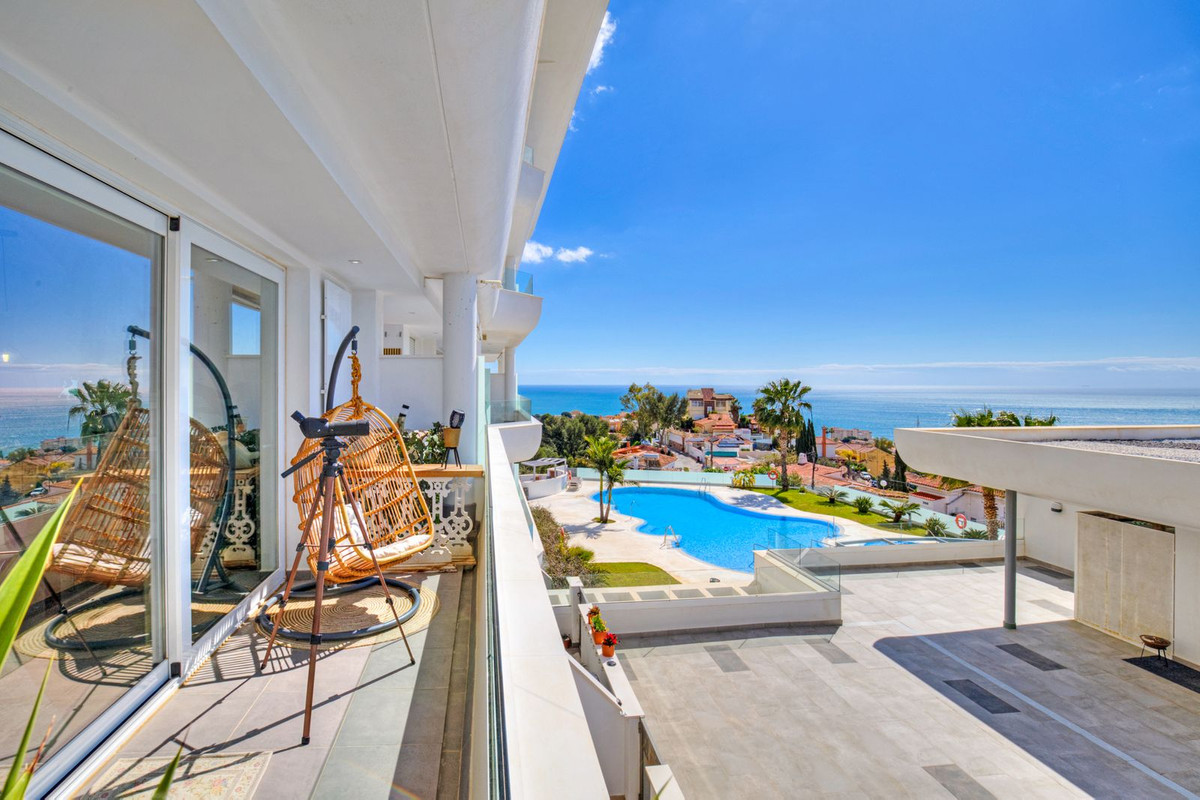

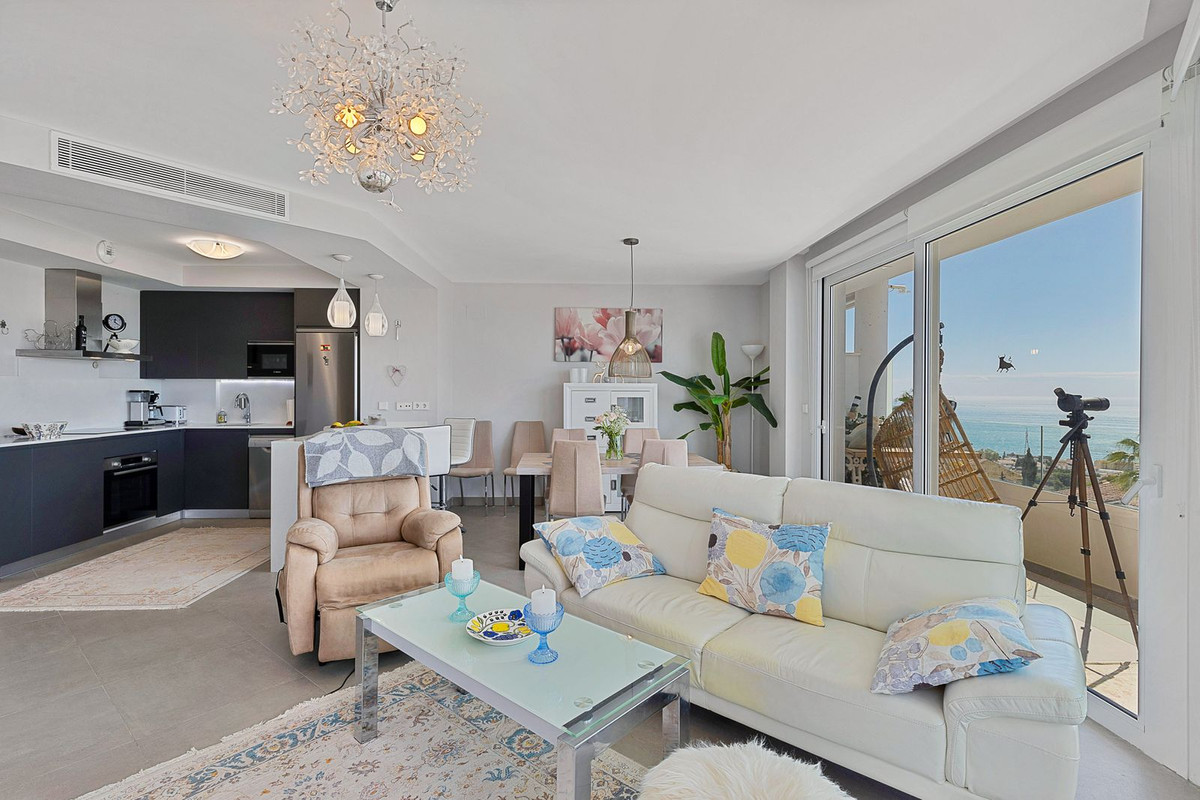
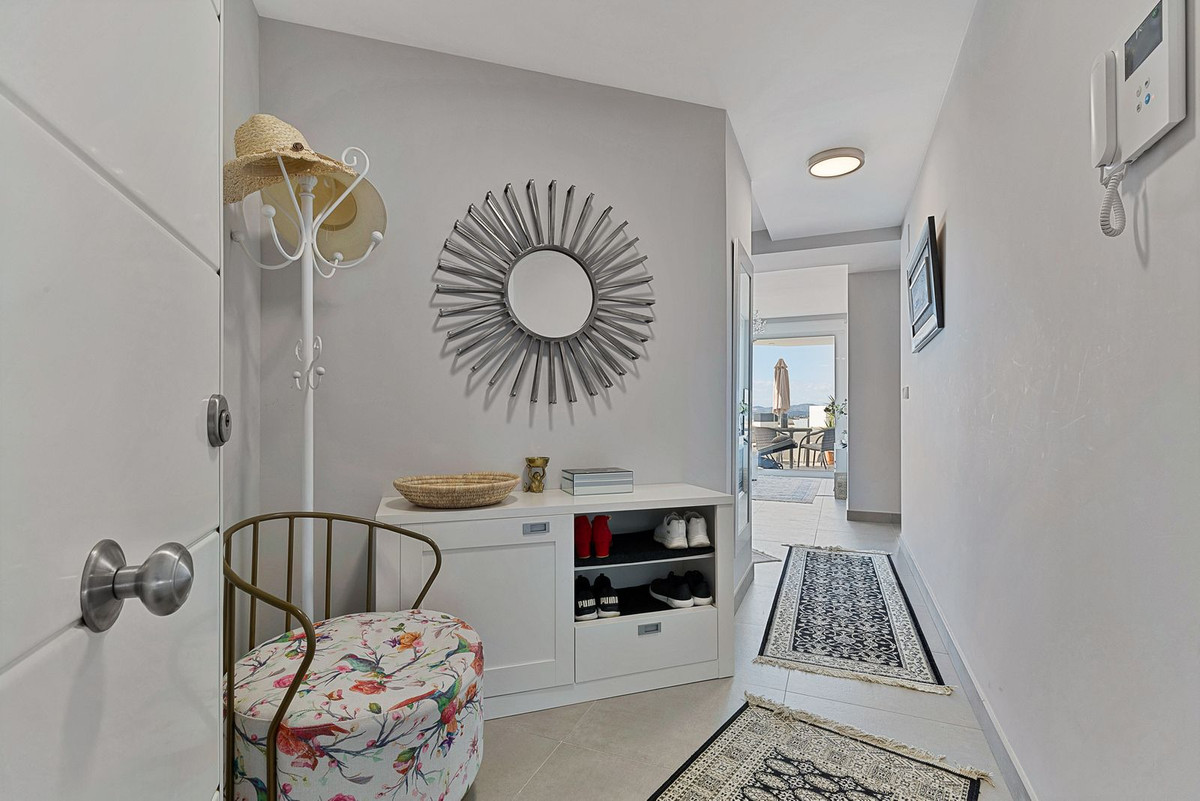


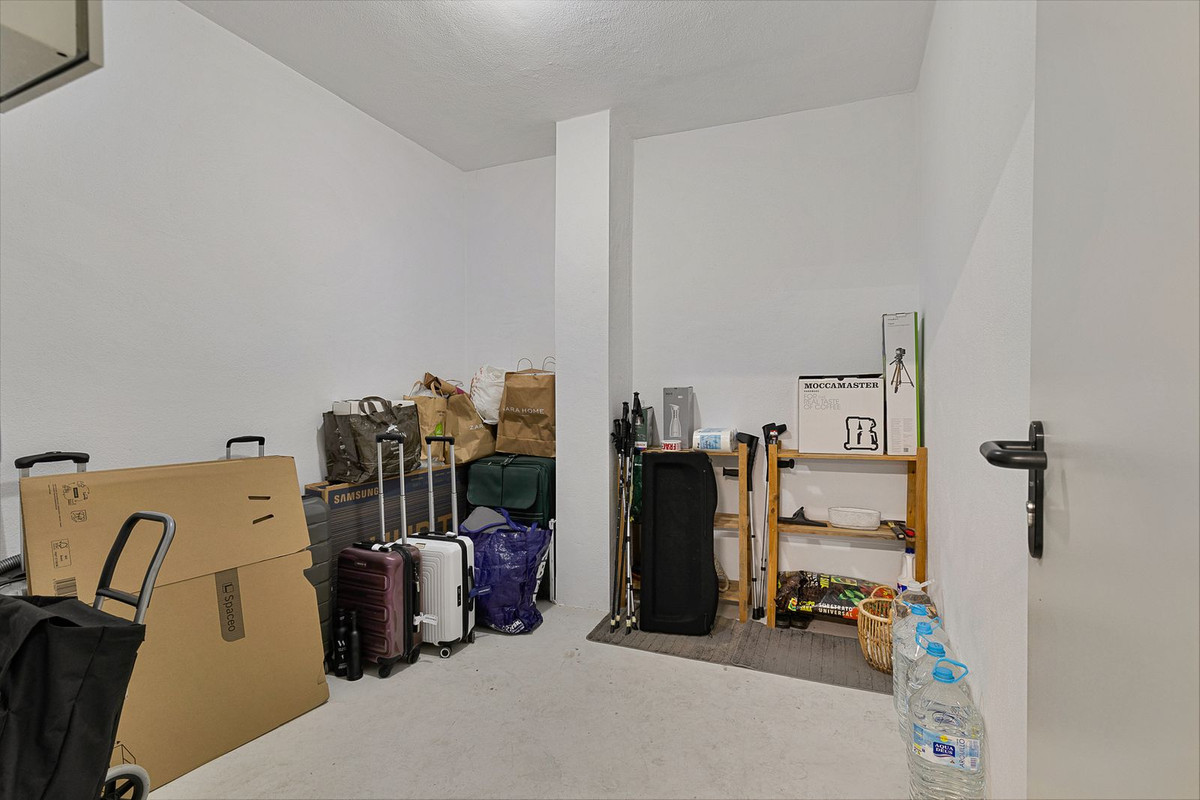
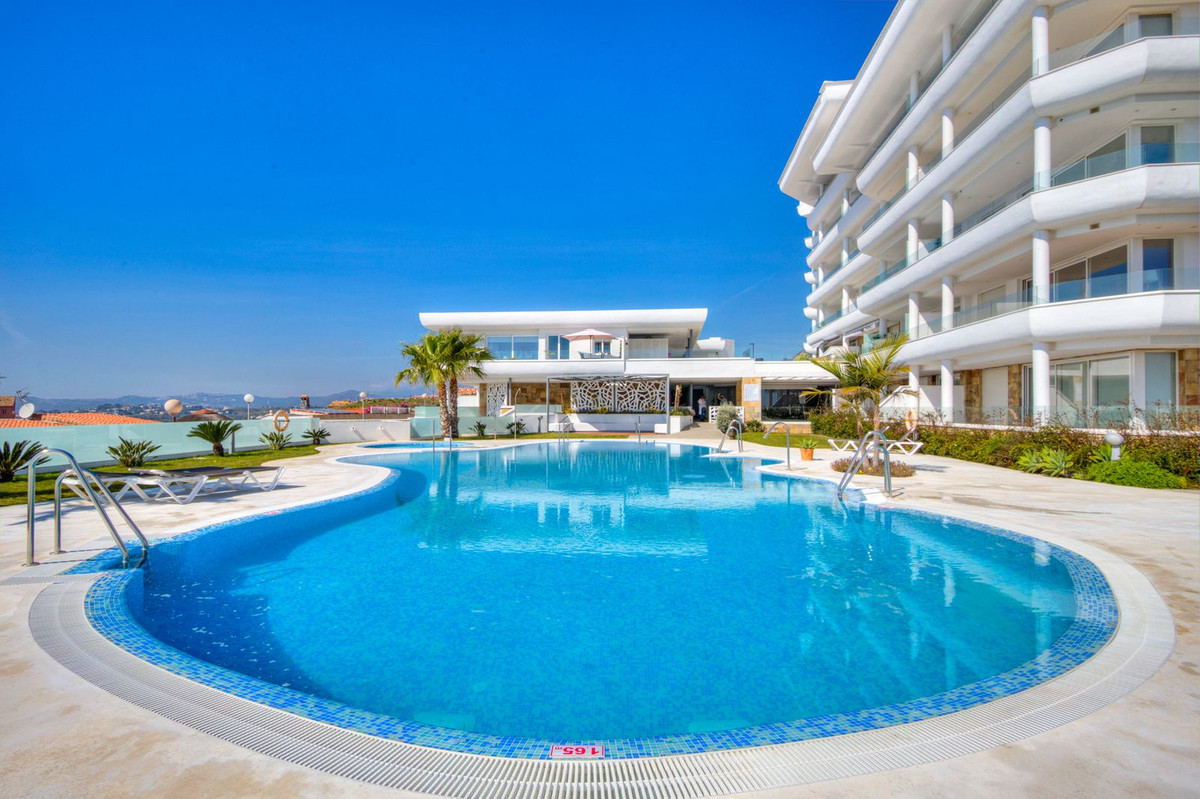
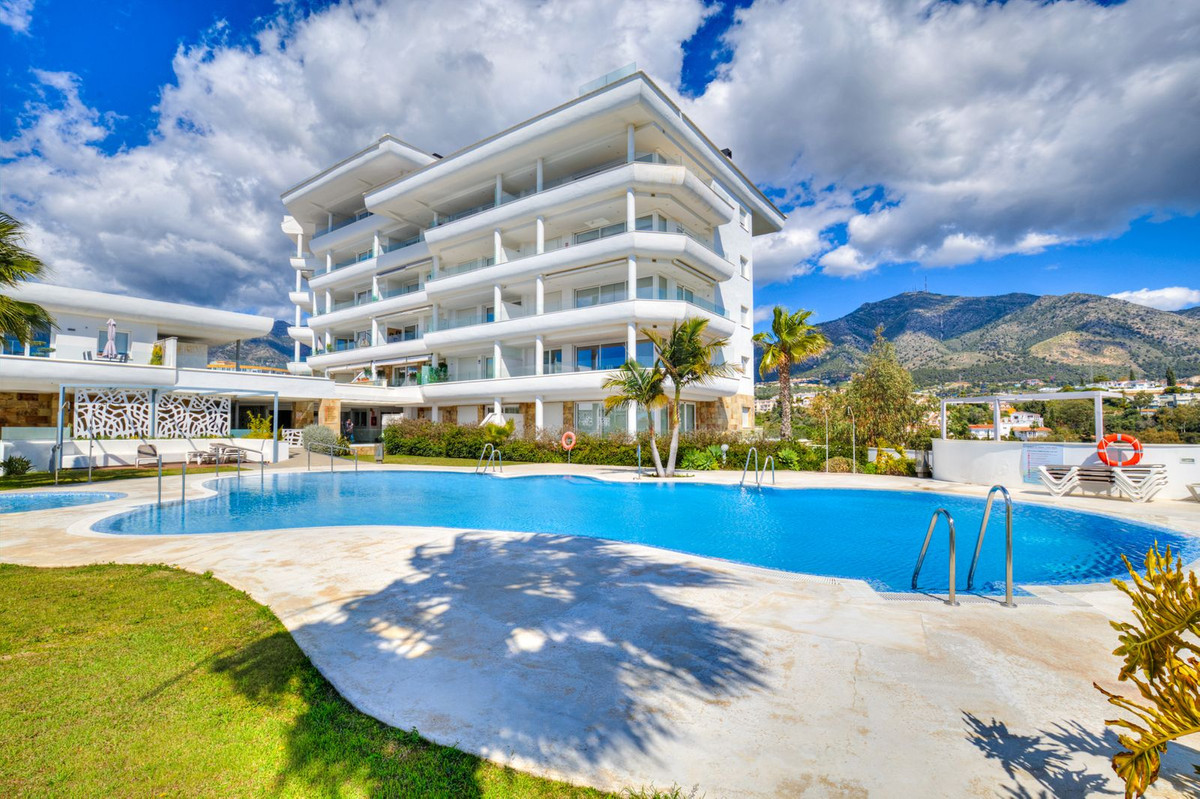


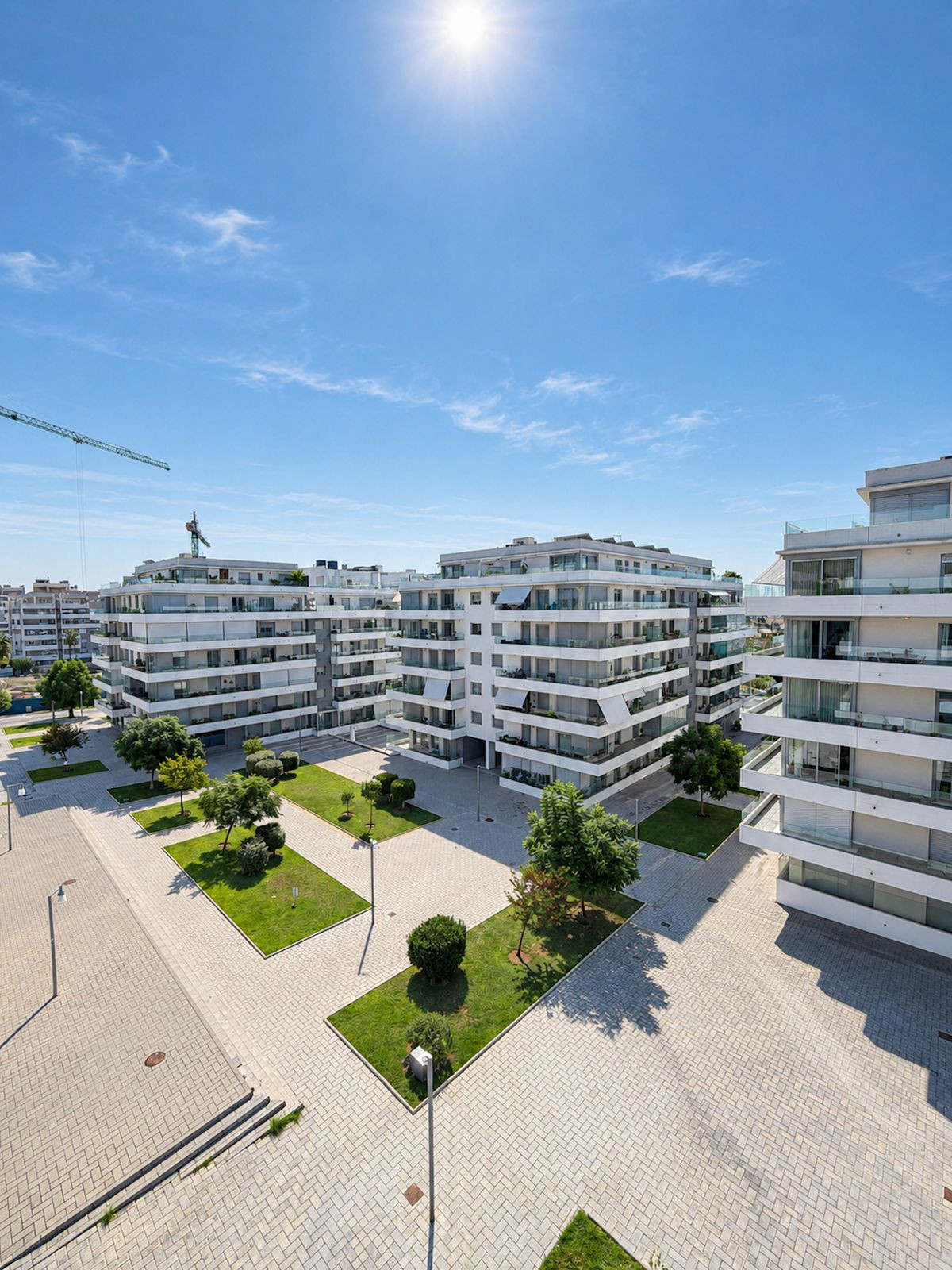
Middle Floor Apartment in Torreblanca
Torreblanca
€ 429.000
Property ref : R5504218


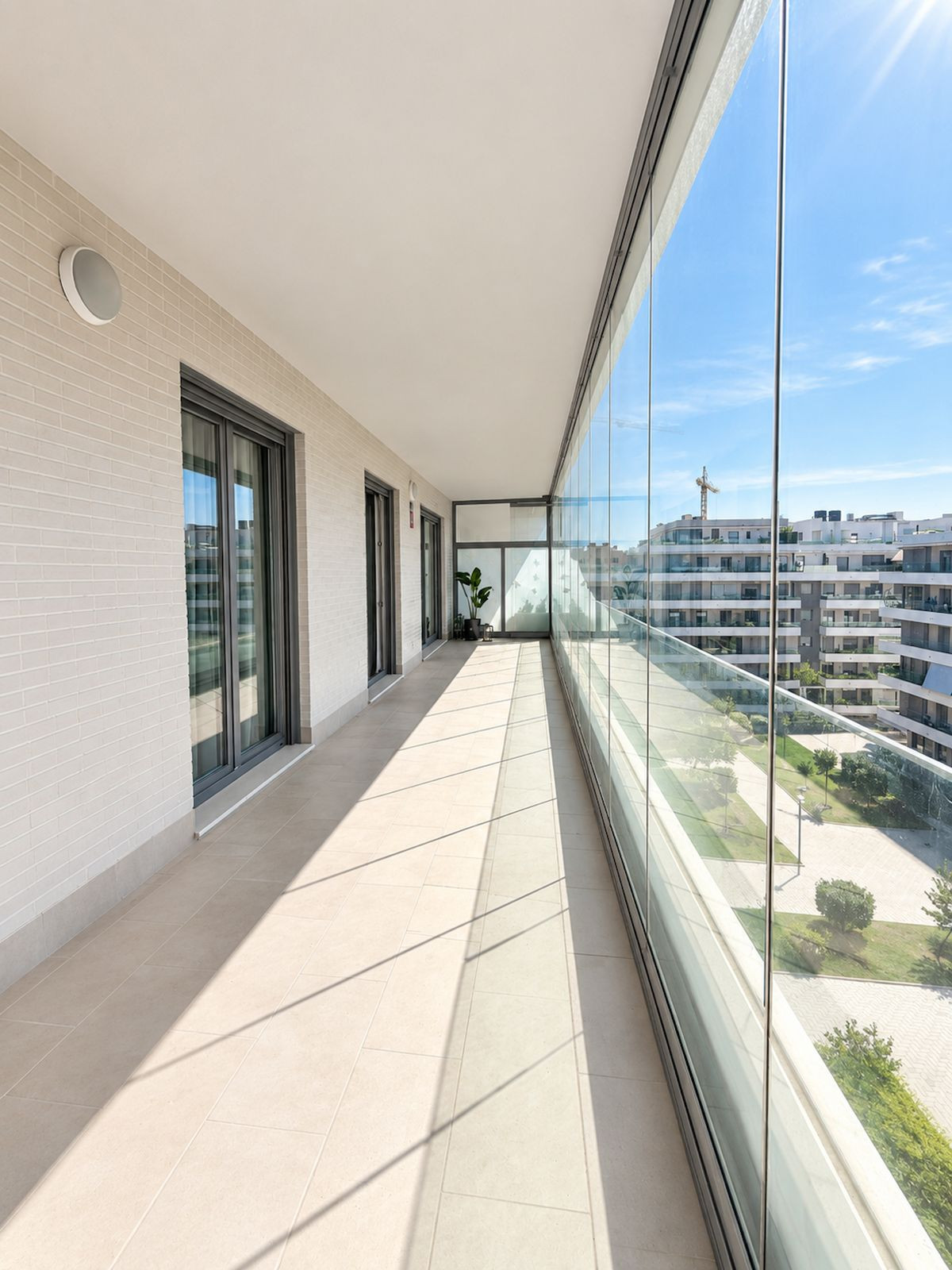


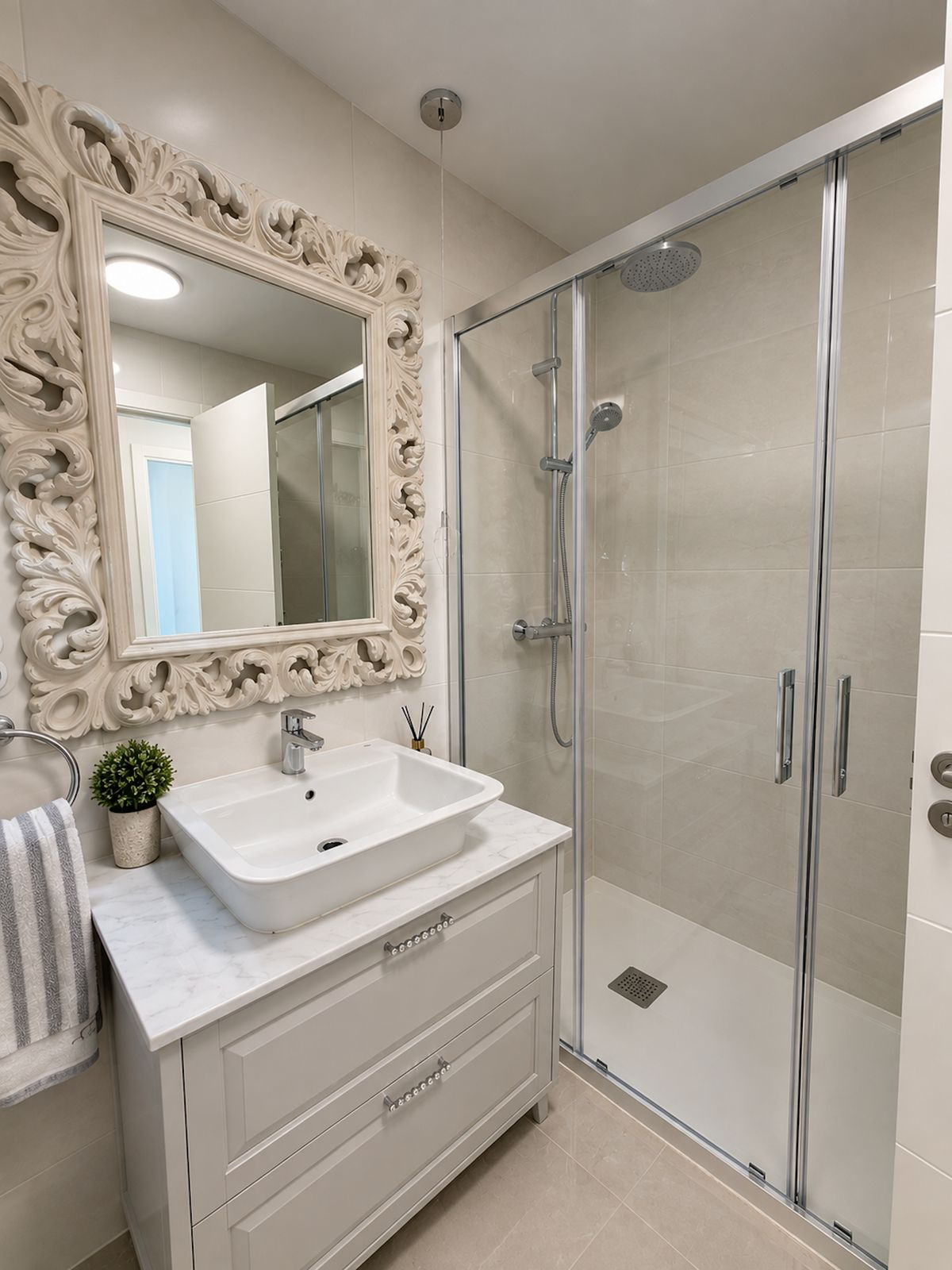
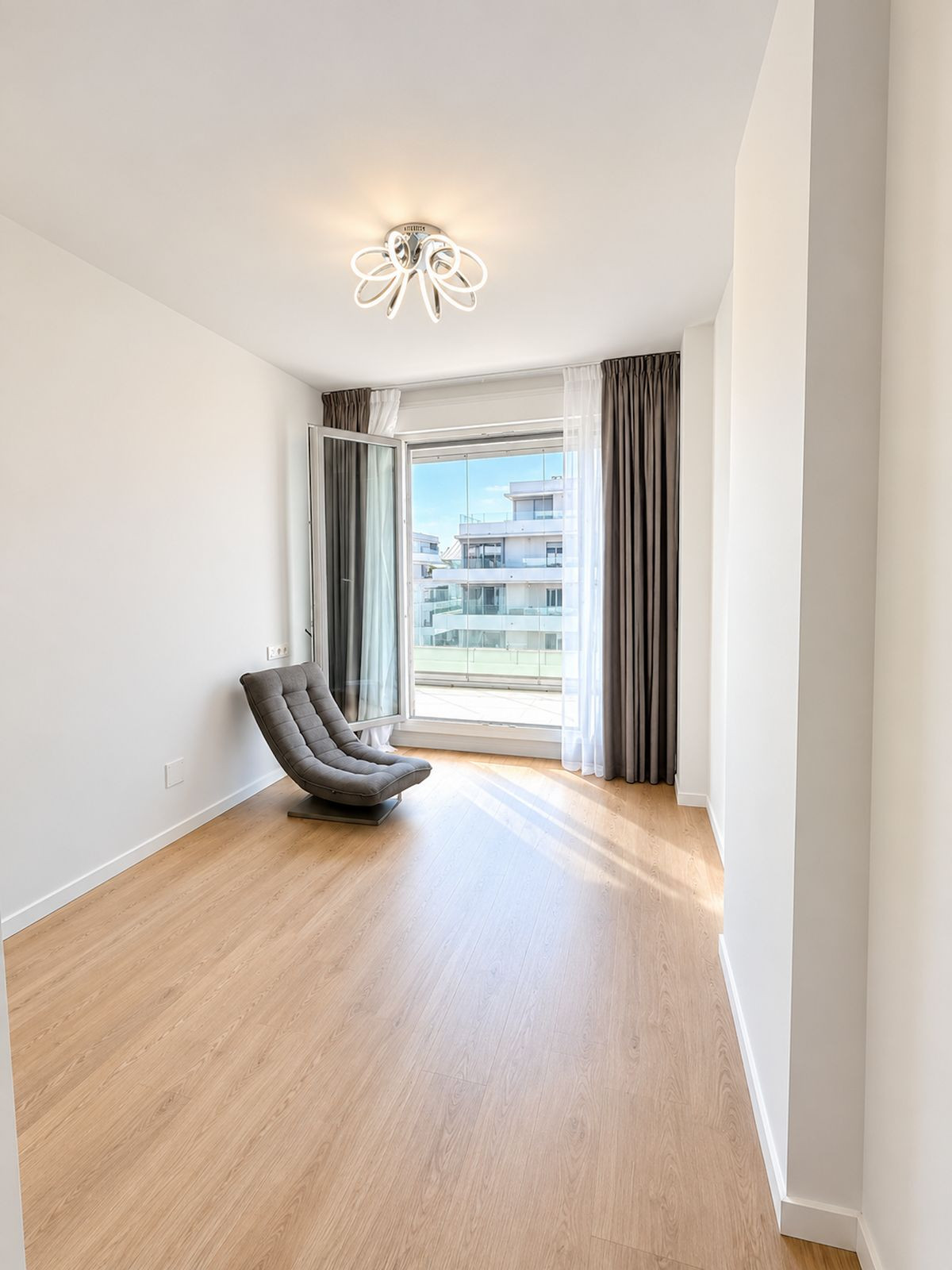



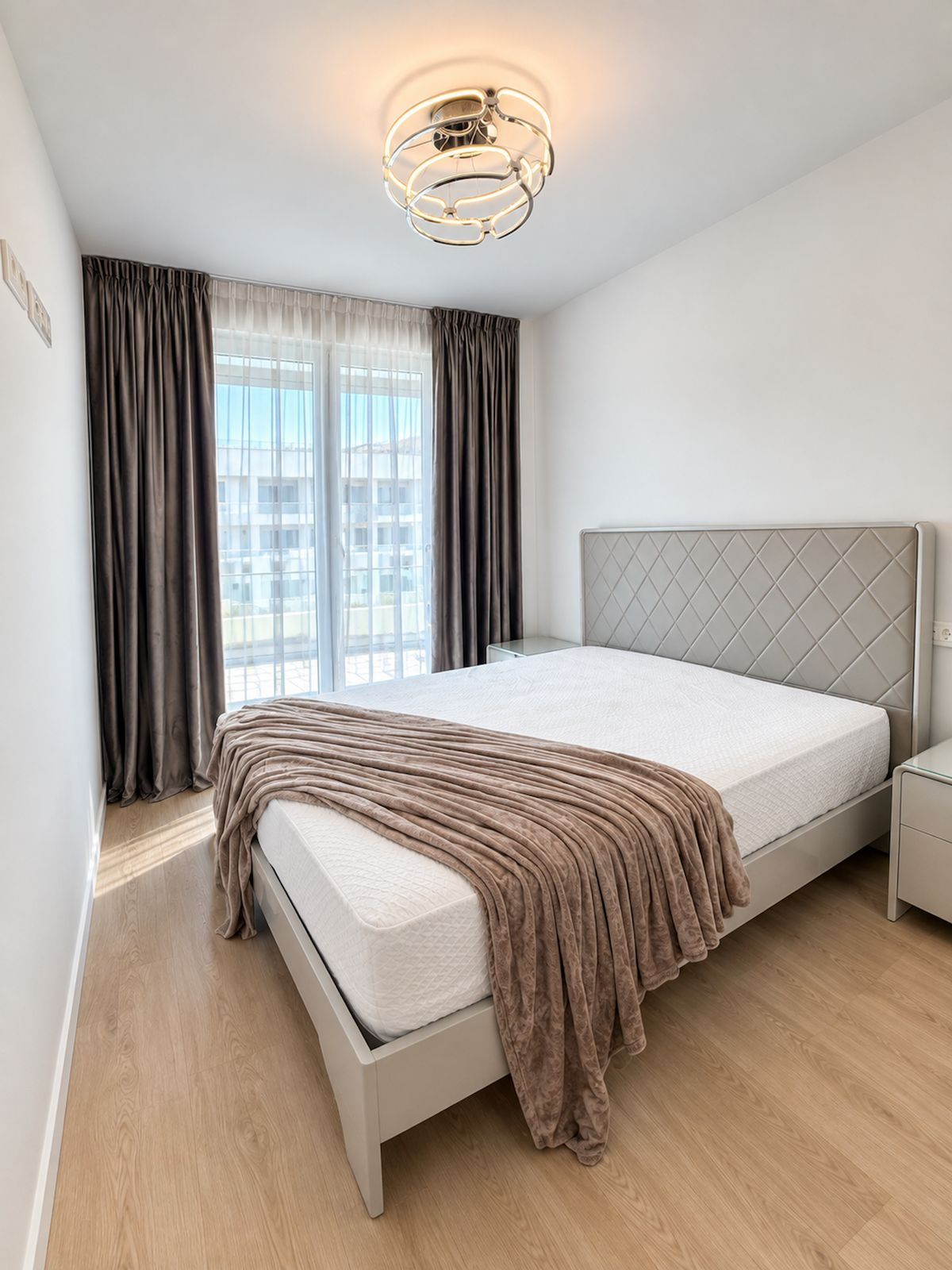

Middle Floor Apartment in Nueva Andalucía
Nueva Andalucía
€ 539.000
Property ref : R5499661
Financing remains available
Despite persistently higher interest rates, the European mortgage market remains active. Banks still finance property purchases by non-residents, although the loan approval process now requires better preparation compared to a few years ago. For many clients, this means the necessity to gather documents earlier and properly plan the purchase schedule. In practice, people using the help of experienced credit advisors go through the entire process much more smoothly, avoiding delays and unnecessary stress.
Geopolitics increasingly impacts the real estate market
More and more investors treat real estate not only as a place to live but also as an element of wealth diversification. Economic uncertainty, changing political situations, and international conflicts mean that part of the capital is transferred to countries perceived as stable.
Spain has been among the safest investment destinations in Europe for years. A stable market, developed infrastructure, high quality of life, and the international character of the Costa del Sol make the region attractive both to those buying a second home and long-term investors.
Experts also point to growing interest in Spain from investors outside Europe, who increasingly choose the Costa del Sol as a place to allocate part of their capital.
Forecasts for the second half of 2026
Everything indicates that the second half of the year will proceed according to the seasonal rhythm of the real estate market. Summer traditionally means a quieter period related to holidays and fewer finalized transactions. However, this is not a sign of market weakening but a natural cycle observed for many years.
Most experts expect renewed activity from September when both buyers and property owners return to the market. Autumn remains one of the best moments to buy, especially for those who want to complete the entire process before the end of the year.
At the same time, nothing suggests a sharp price correction. Properties in attractive locations offering high quality workmanship, good communication, and growth potential will continue to enjoy the greatest interest.
Our commentary
For Dream Property, the second quarter of 2026 was clearly better than the first and comparable to the same period last year. Demand from Polish clients remains at a stable level, with apartments and houses on the Costa del Sol still enjoying the greatest interest. We do not notice significant changes in purchasing preferences: clients continue to look for properties that combine a high standard of living with investment potential.
At the same time, we see the decision-making process becoming increasingly aware. Buyers ask more questions, analyze documentation more thoroughly, and want to better understand local regulations. The key to a successful purchase today is not finding the “cheapest” property but one that best meets individual needs and long-term investment goals. Increasingly, a family foundation is part of the strategy; you can read more about this on our blog. We have also recorded a podcast on the topic of a family foundation with the participation of a legal advisor who clearly explains the advantages and disadvantages of such a solution.
It is worth using the knowledge of local experts who not only know the market but also help safely navigate through the entire purchase process.
Currently, the most questions concern regulations related to short-term rentals. The legal situation is changing dynamically: in May 2026, the Spanish Supreme Court repealed regulations concerning the national procedure for the unified short-term rental register (NRUA). However, this does not mean the abolition of control over the tourist rental market. Regional and local regulations, as well as rules adopted by homeowners’ associations, still apply. Therefore, it is crucial for the investor to check the specific property, its location, and the possibility of legally conducting the planned form of rental.
In conversations with clients, the issue of ocupas returns. In Polish media, this topic is sometimes presented in a way that causes unnecessary concern. In practice, the risk depends on the type of property, its legal status, method of use, and appropriate contract security and access control. Therefore, thorough analysis before purchase and support from local specialists is very important.
We see the future in bright colors. According to the CBRE European Investor Intentions Survey 2026, Spain ranked first among the most attractive European destinations for real estate investment. Meanwhile, Knight Frank forecasts that the number of individuals in the ultra-high-net-worth segment in Poland will increase by approximately 63% between 2026 and 2031. These factors may support long-term interest in foreign properties, especially in the premium segment.
We expect the holiday period to be quieter than usual in terms of finalized transactions. Traditionally, September brings a noticeable upturn that lasts until early December. Interestingly, we also observe growing interest in the Spanish market from agencies in Dubai, whose clients increasingly seek opportunities to place part of their capital in Europe. This is another signal that the real estate market on the Costa del Sol remains one of the most attractive premium markets.
FAQ
Is 2026 a good time to purchase property in Spain?
Yes. Experts indicate that the market has entered a phase of stabilization. Buyers have more time to analyze offers, and attractive properties in the best locations still enjoy high interest.
Do changes regarding short-term rentals mean the end of rental investments?
No. They mean, however, the need for more thorough verification of local regulations and homeowners’ association rules before purchasing a property.
What properties are Polish buyers most interested in?
From our observations, apartments and houses on the Costa del Sol are the most popular, which can be used both for personal purposes and as investment.
Should the issue of ocupas discourage purchase?
No. This topic is often presented in a way that causes concern. Proper property selection, legal protections, and professional support significantly reduce the risk.
Real estate market on the Costa del Sol: what are the forecasts?
The forecasts remain positive. Spain continues to attract investors from around the world, and the Costa del Sol maintains its position as one of the most desirable real estate markets in Europe.