The Supreme Court overturns the obligation to obtain NRUA. What does this mean for the market?


In May 2026, the Spanish Supreme Court issued a verdict that resonated widely in the short-term rental market. The media reported that „Supremo tumbó el registro único”, meaning that the court abolished the obligation to obtain a national registration number for tourist apartments (NRUA) offered on platforms such as Airbnb or Booking. For many owners, this sounded like a full unlocking of the market. This is an oversimplification. In practice, there was no abolition of control over tourist rentals, but a very significant shift in emphasis: from the state level to the level of autonomous communities and local governments.
What will you find in the article?
What happened?
The dispute concerned Royal Decree 1312/2024, which introduced the Registro Único de Arrendamientos and the obligation to obtain a registration number in order to advertise short-term rentals online. Before publishing an offer on an online platform, the owner had to go through a procedure with the property register and obtain the appropriate NRUA number. The registrar could refuse to assign it if they noticed non-compliance with local, regional regulations or restrictions resulting, for example, from homeowners’ association rules.
The Supreme Court, however, found that the state exceeded its powers. The reasoning emphasized that matters concerning tourist apartments primarily belong to the sphere of housing and tourism, thus to the competencies of autonomous communities. The state can coordinate, set general frameworks, and organize data exchange, but cannot create such a detailed, nationwide registration system that in practice duplicates or supersedes existing regional registers. In other words, the problem was not the idea of control itself, but who and how was supposed to carry it out.
NRUA was repealed, but what still applies?
This is the most important point, as it generated the most misunderstandings. The verdict did not abolish the legalization of tourist rentals, did not eliminate autonomous regulations, and does not mean that from now on renting without formalities is permitted. Only the state obligation to have a national registration number as a condition for publishing an offer online was repealed.
Still in force are:
- regulations of autonomous communities concerning tourist apartments,
- municipal and urban planning requirements,
- information obligations of online platforms,
- the so-called digital “one-stop shop” for data submission,
- administrative powers to control and sanction illegal rentals.
This means that tourist licenses, entries in autonomous registers, or other locally required permits still apply, if prescribed by the rules of a given region. In practice, the owner no longer needs an additional state number, but still must meet all regional and local requirements.
How does this decision affect the short-term rental market?
The impact is twofold. On one hand, the verdict is a clear relief for owners and operators who have been complaining for months about excessive bureaucracy, procedural ambiguities, and the rejection of applications even for premises legally operating at the autonomous community level. According to data cited in the Spanish press, over 400,000 applications had been submitted by early 2026, of which about 21% were rejected. For part of the market, this meant an actual blockade of offer promotion on booking portals.
On the other hand, there can be no talk of full deregulation. Spanish media point out that the state register was a tool for the government to identify illegal offers. The Ministry claimed that the new system managed to reveal even more than 100,000 illegal premises. After the verdict, the responsibility to enforce the law returns even more strongly to autonomous communities and local governments. They will have to more effectively monitor the market, exchange data with platforms, and enforce their own rules.
Featured Properties
See more
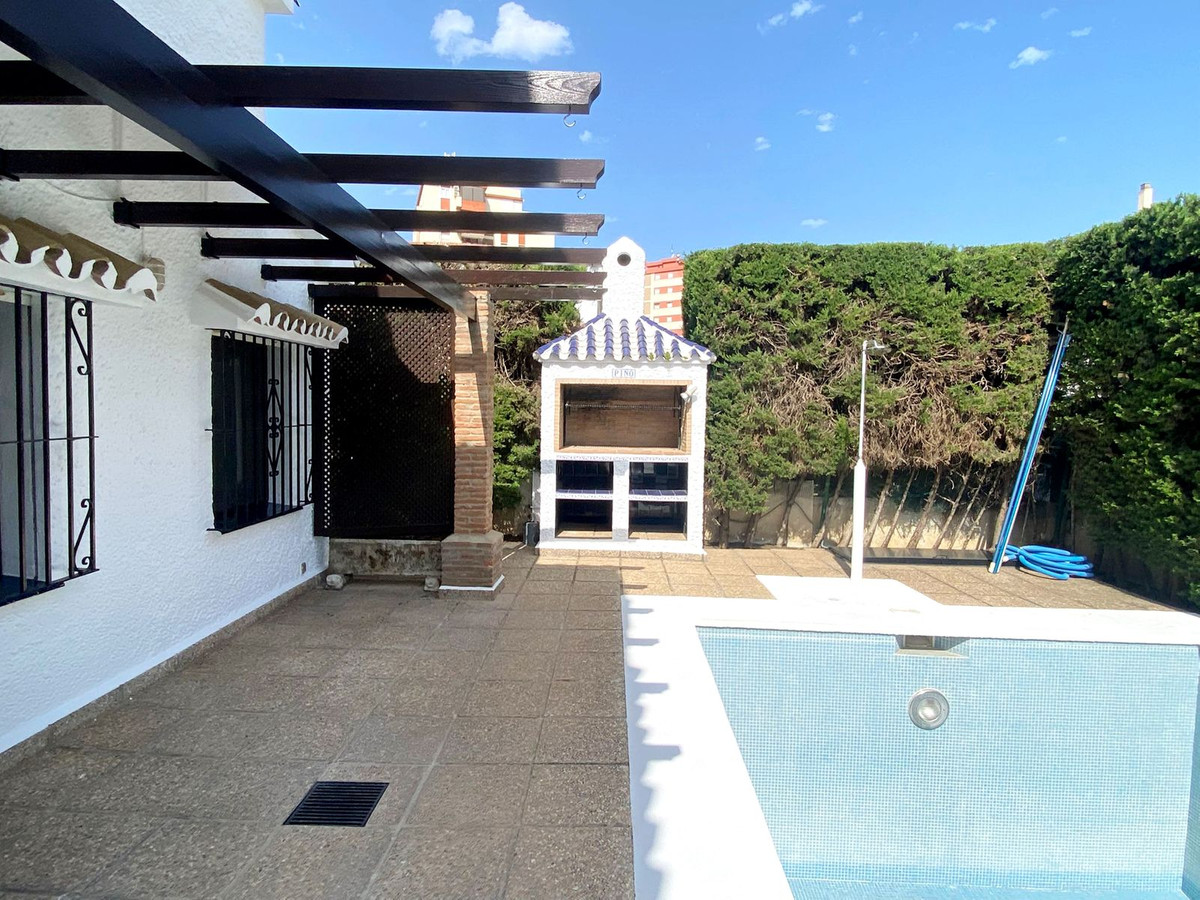
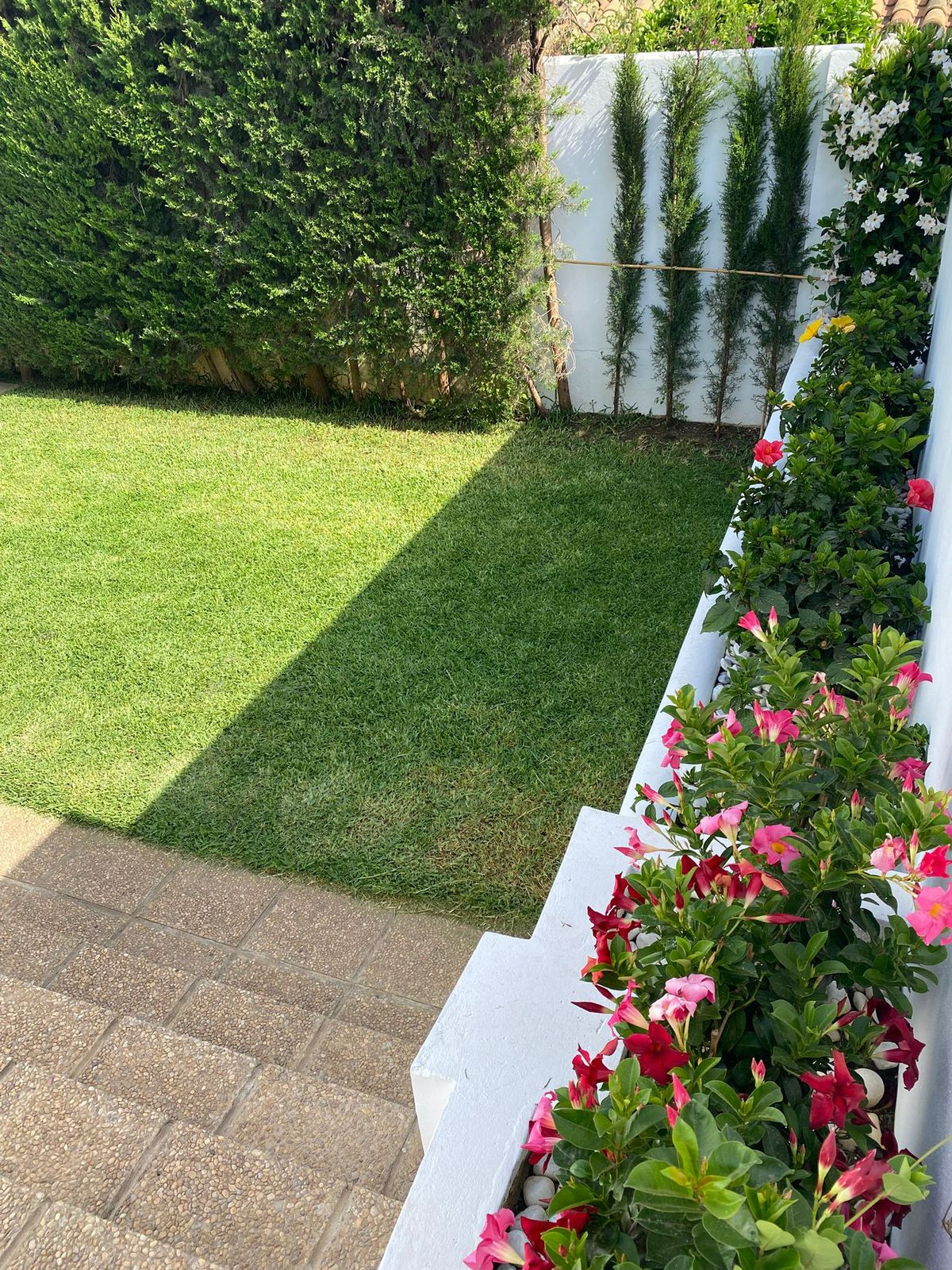
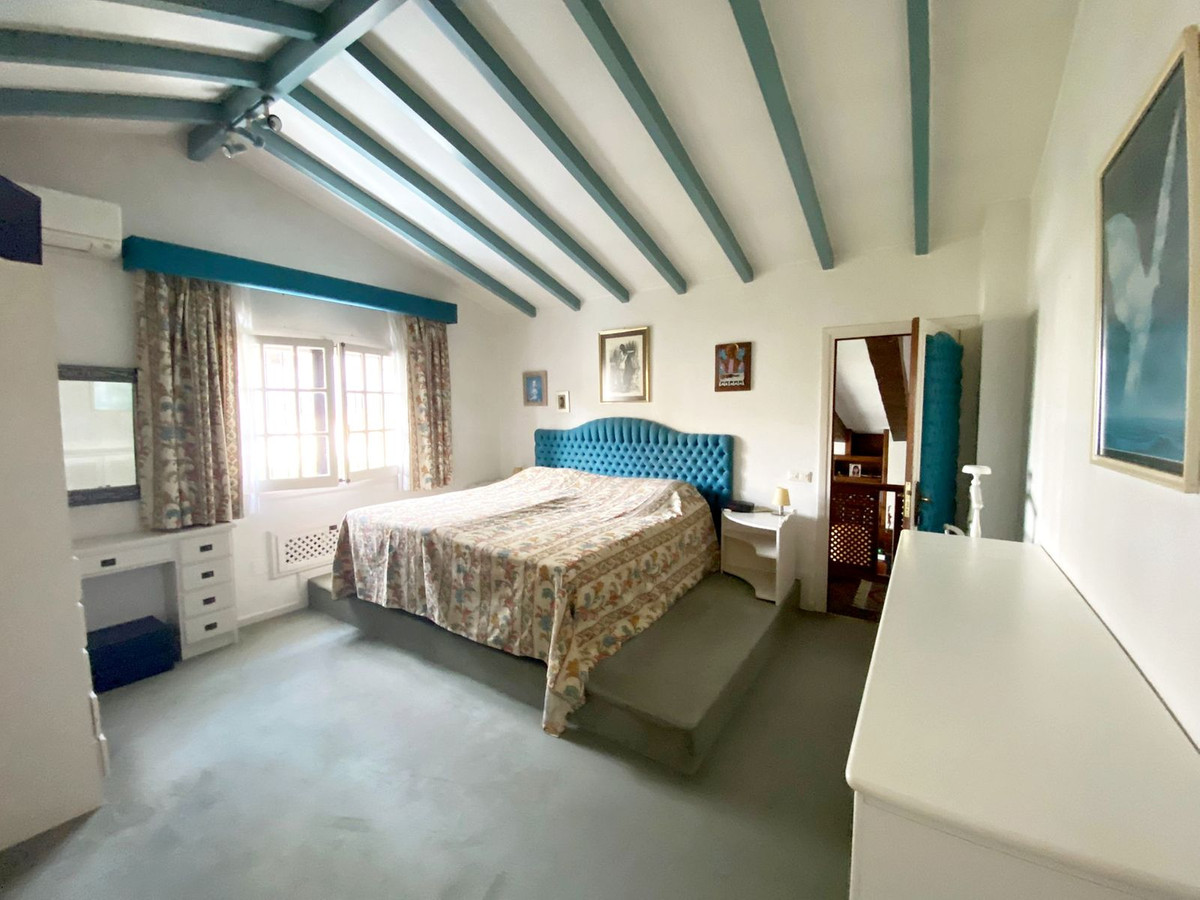

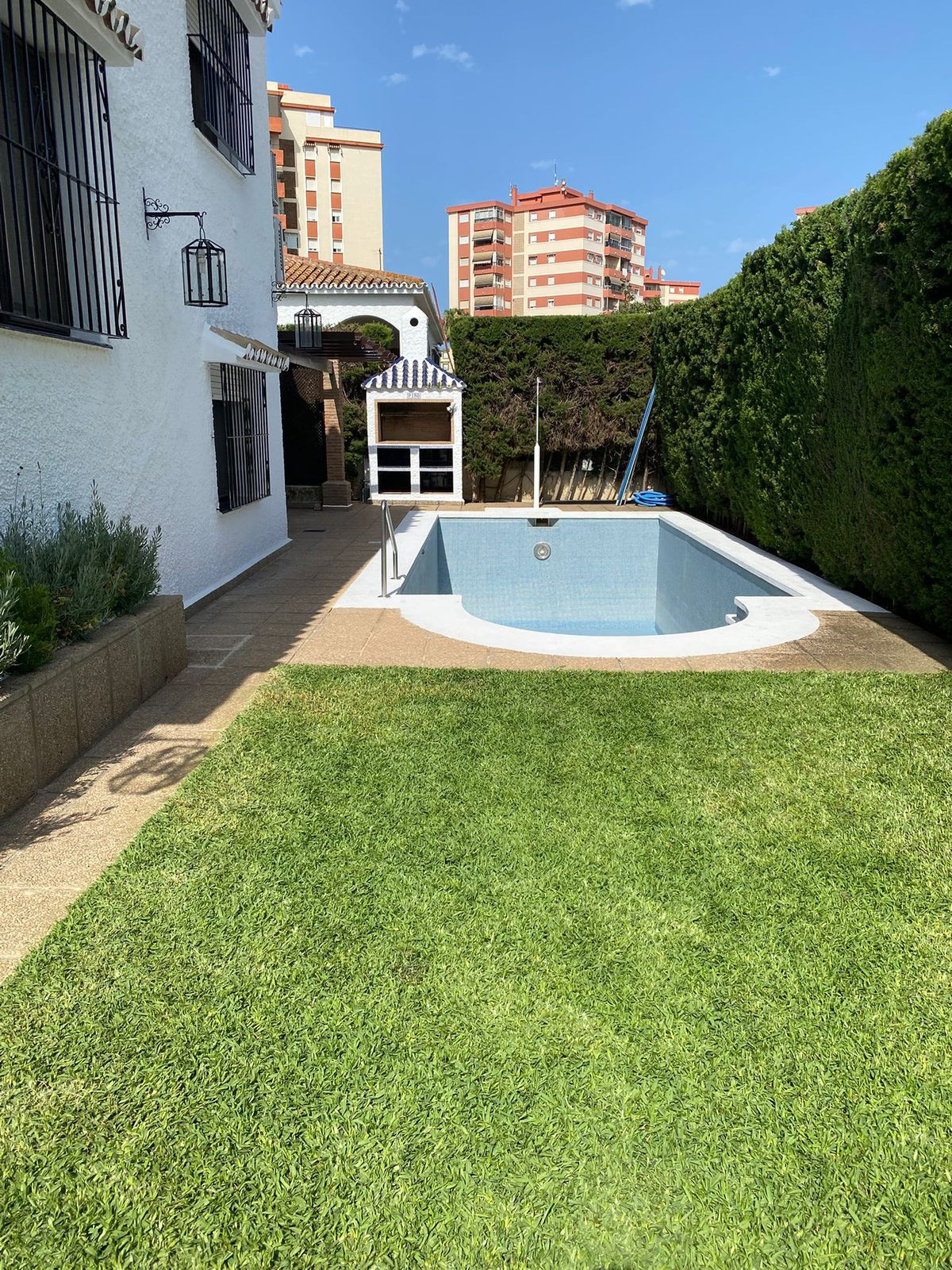






























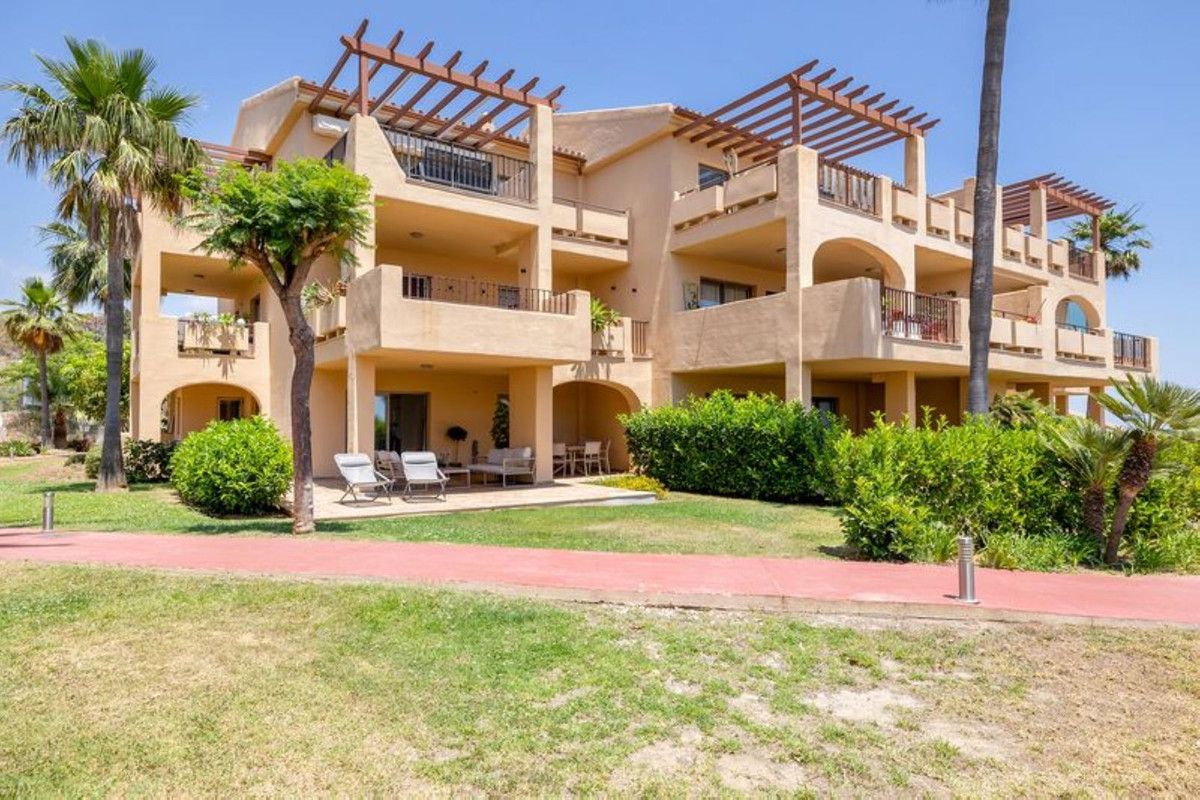







The most important practical consequences
The most noticeable consequence may be the return of some offers to online platforms. Some apartments disappeared from portals not because they were illegal, but because they did not obtain a number in the national register or got stuck in the procedure. In this sense, the verdict may increase the visibility of short-term rental supply, especially in tourist regions.
The second effect is a greater role of regional law. Instead of a single nationwide filter, owners again must primarily analyze the regulations of their autonomous community and municipality. For the market, this means less centralization but also more diversification. In some regions, procedures will remain relatively simple; in others, they will still be restrictive.
The third aspect, widely commented on in the business press, concerns costs borne by owners. According to calculations cited by “Expansión,” hundreds of thousands of people paid for registration and application analysis sums amounting to millions of euros. After the verdict, questions arose about the possibility of claiming refunds or the state’s liability for a flawed system. More information on this topic can be found on the Spanish Property Insight portal.
This is not a “free-for-all”: a tourist license is still necessary
This must be emphasized very strongly: the Supreme Court verdict did not abolish tourist licenses. If in Andalusia, Valencia, Catalonia, the Balearics, or another region, there is a requirement for registration, notification, or holding a license, the owner must still comply. Restrictions arising from urban plans, zonal limits, or homeowners’ association rules may also still apply.
In practice, this means that the legality of short-term rentals is still assessed primarily locally. For the owner, the most important question today is not: “Do I have a number from the state register?”, but: “Do I meet the autonomous, municipal, and community requirements?”
What’s next?
The Spanish press unanimously stresses that the verdict does not close the topic but opens a new stage. The court itself noted that the short-term rental problem is real: it affects the availability of apartments, long-term rental prices, and the social structure of neighborhoods. The state can still coordinate data flow and create statistical tools, but must do so respecting the division of competencies.
Therefore, further legislative changes can be expected, this time more based on cooperation with the regions. For the market, this signals that the fight against illegal renting will not disappear, but will be conducted by other methods. From the perspective of owners and investors, the most important thing today is one: not to confuse the repeal of the state NRUA registration number with the repeal of the obligation to act according to local law.
Summary
The Supreme Court ruling is an important victory for the principle of division of competencies in Spain, but not a revolution abolishing market regulations. The state registration number NRUA for offers published online has fallen, but the tourist rental control system still exists. Autonomous community regulations, municipal requirements, and licensing obligations remain in force. For owners, this means less central bureaucracy but not less responsibility. And for the entire market, it is another proof that the future of short-term renting in Spain will be decided primarily at the regional and local levels.
Sources: elEconomista, Poder Judicial / CGPJ, RTVE, Expansión, El País