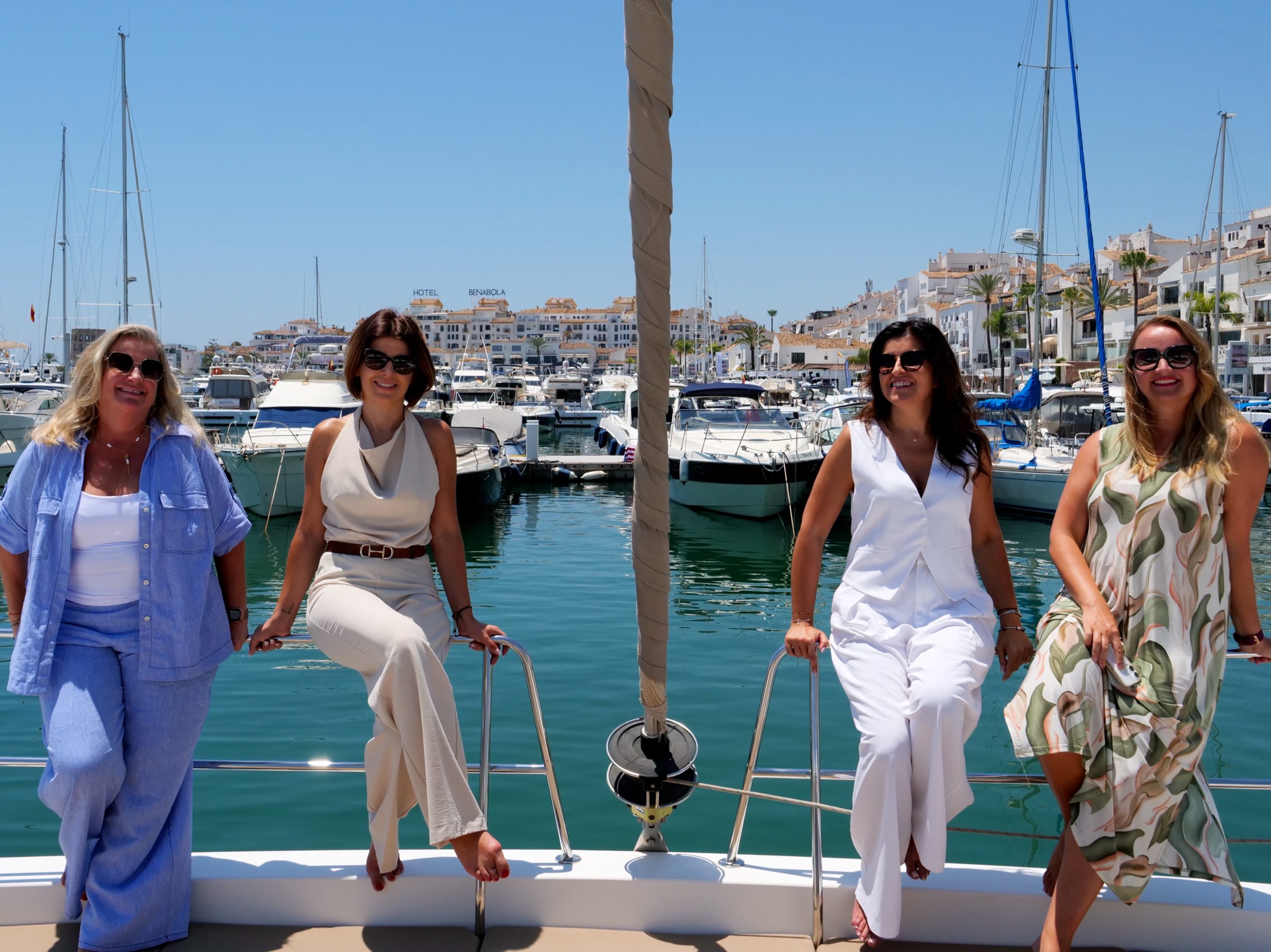
Spain attracts Poles. What do we buy and why there?


Just a few years ago, Spain was for many Poles a destination “for later”: a dream of sunshine, a plan for retirement, or a distant investment. Today, it is no longer just about the climate and the sea view. It is a shopping market where Poles have ceased to be a curiosity and have become a specific group of clients with clear preferences: larger space, more often the primary market, frequently financed by credit, and importantly, a very selective approach to location.
Data from the full report of Registradores de España for 2025 show that the Spanish housing market has had an exceptionally strong year. And although Poles are not among the top three nations numerically, they influence some segments, especially where new construction and the “holiday-residential product” matter.
In this article, I organize the most important conclusions: where Poles buy properties in Spain, what sizes they choose, what is happening with loans and prices, and why regulations on short-term rentals are now absolutely crucial—especially for those who assume that the apartment “will work for itself.”
What will you find in the article?
- 2025: The most properties sold in Spain since 2007
- Poles in 9th place, with a clear purchasing style
- Where do we buy? Canary Islands, Valencia, Andalusia, and Murcia leading
- Size matters: Poles do not buy “micro”
- Loans in Spain: more often, higher amounts
- Prices in Spain hit records: average €2284/m² in 2025
- Short-term rentals: regulations are stricter and must be taken seriously
- What does this mean for the buyer? 7 practical conclusions
- Summary: Poles buy in Spain differently than many foreigners
2025: The most properties sold in Spain since 2007
Let’s start with the background. In 2025, 705,400 properties were sold in Spain by notarized deeds, almost 11% more than the previous year and the highest since 2007. This is important because the market operates in cycles, and 2007 was the historic peak before the financial crisis.
The sales structure was dominated by the secondary market (556,000 units), but the primary market also grew (149,200 new homes delivered to buyers). It is worth remembering a practical nuance often overlooked in discussions: the statistics for “new homes” concern handed-over units, not necessarily developer contracts signed that year. This means actual demand “here and now” may be time-shifted.
Poles in 9th place, with a clear purchasing style
In 2025, foreigners accounted for 13.8% of transactions in Spain (97,500 properties). Poles ranked 9th, purchasing 4,100 apartments (a slight year-on-year decrease of 0.3%), representing 4.3% of foreign buyers’ purchases.

This may sound “average” until we look at a detail that makes a difference:
Poles lead in choosing the primary market
According to data cited by “Rzeczpospolita”, almost 40% of Poles’ purchases are new apartments. This is the highest result among foreigners. For comparison, the average for all nations is 21.5%, with Belgians (34.5%) and Dutch (32.9%) following behind Poles.
What does this mean in practice?
- Poles more often want “new product”: modern standards, amenities, better energy efficiency, new communities, and infrastructure.
- They more often choose properties easier to “sell in the narrative” (for themselves or for rent): pool, reception, security, parking space, gym, proximity to the beach and services.
- And they also more frequently look for solutions that minimize the risk of renovations and technical surprises.
This trend aligns with what is seen in the Costa del Sol market and popular investments on the eastern coast: Poles buy not only a unit but a lifestyle and a “comfort package.”
Where do we buy? Canary Islands, Valencia, Andalusia, and Murcia leading
“Rzeczpospolita” indicates that most foreign buyers are attracted to the Balearics, Valencia, Canary Islands, and Murcia. For Poles, there is a strong focus on coastal and island regions.
Looking at the share of Poles in foreign transactions in each region, we were most visible in:
- Valencian Community (Costa Blanca and surroundings): 7.25%
- Canary Islands: 5.79%
- Andalusia: 4.73%
- Murcia: 4.46%
Why there?
- Valencia / Costa Blanca: often “the most value for the price,” good infrastructure, mix of tourism and year-round living.
- Canaries: year-round climate and very strong tourist market, different seasonality than the mainland.
- Andalusia (e.g., Costa del Sol): premium segment, lifestyle, services, golf, international schools, longer stays/relocation.
- Murcia: price alternative, growing popularity, often quieter locations.
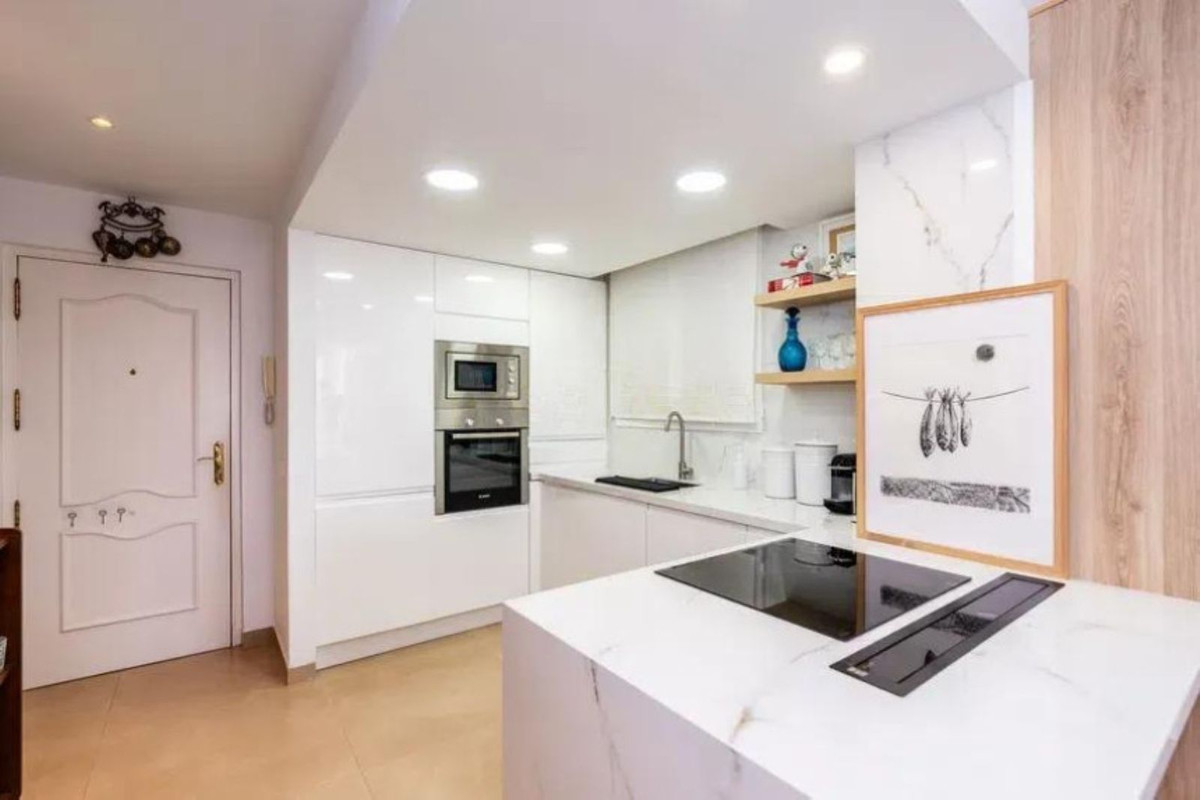
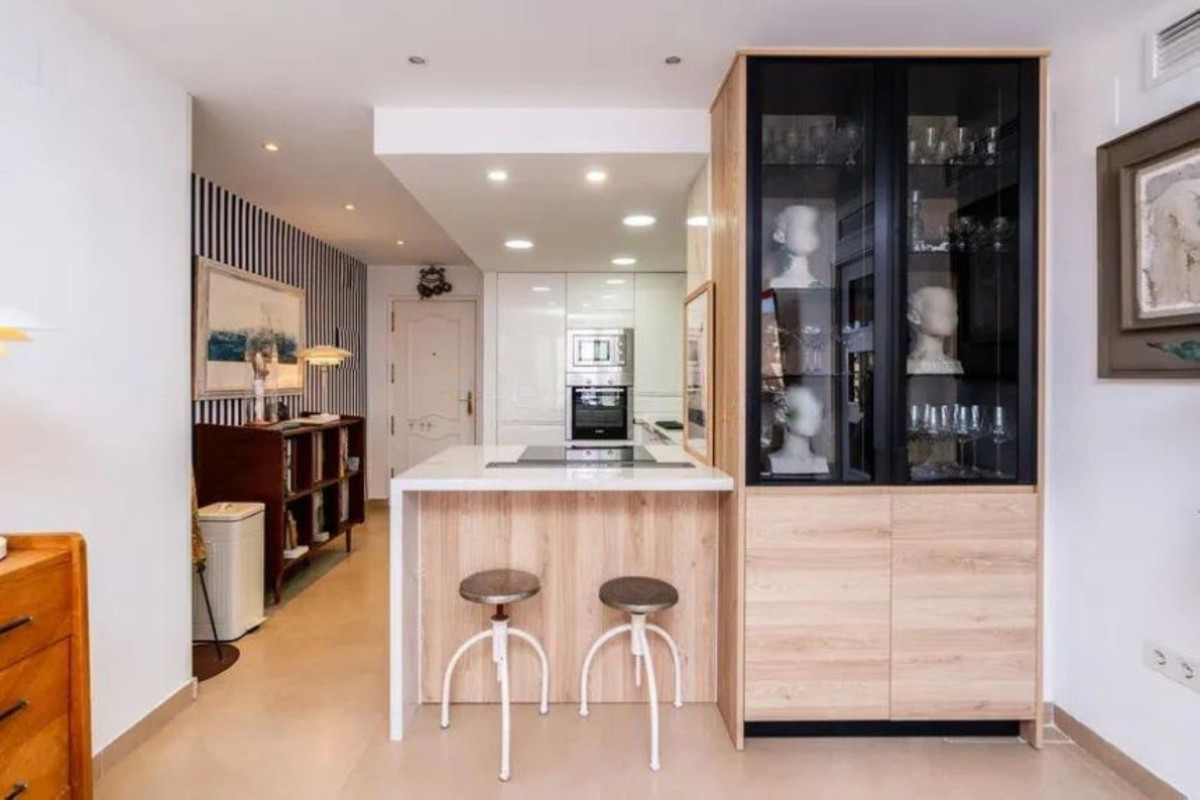
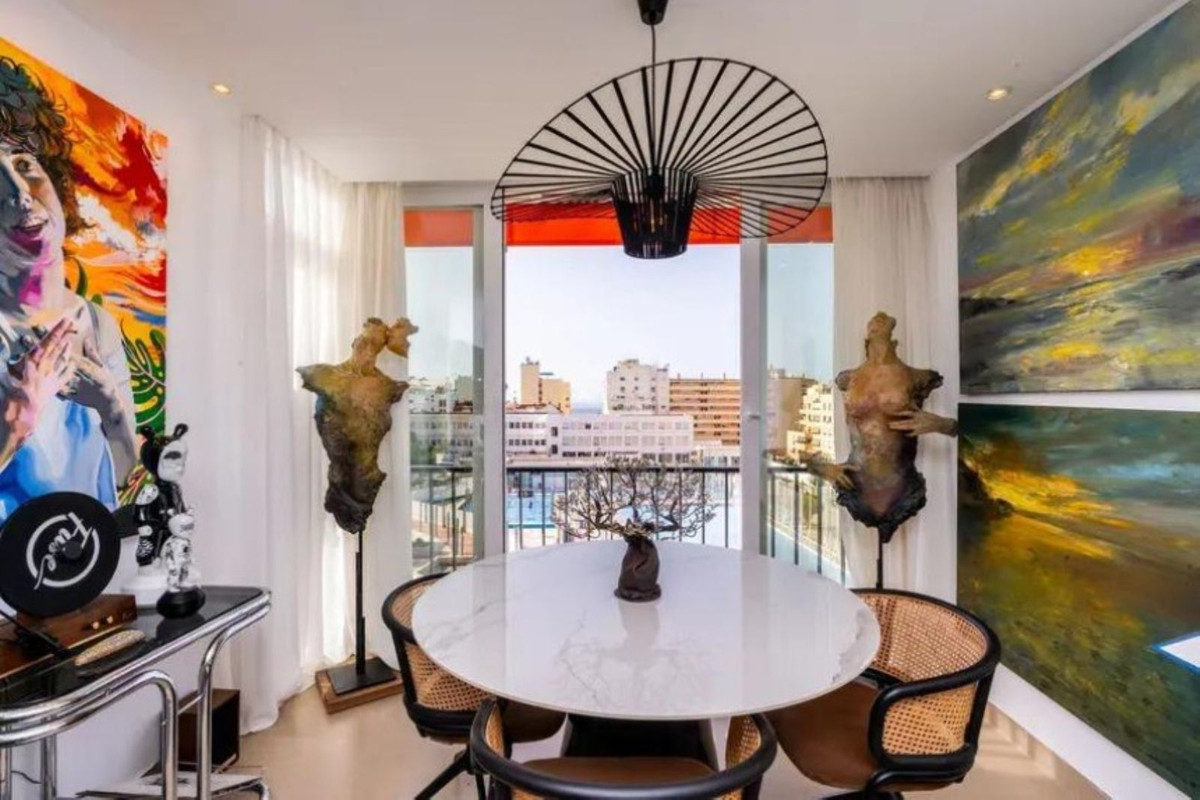
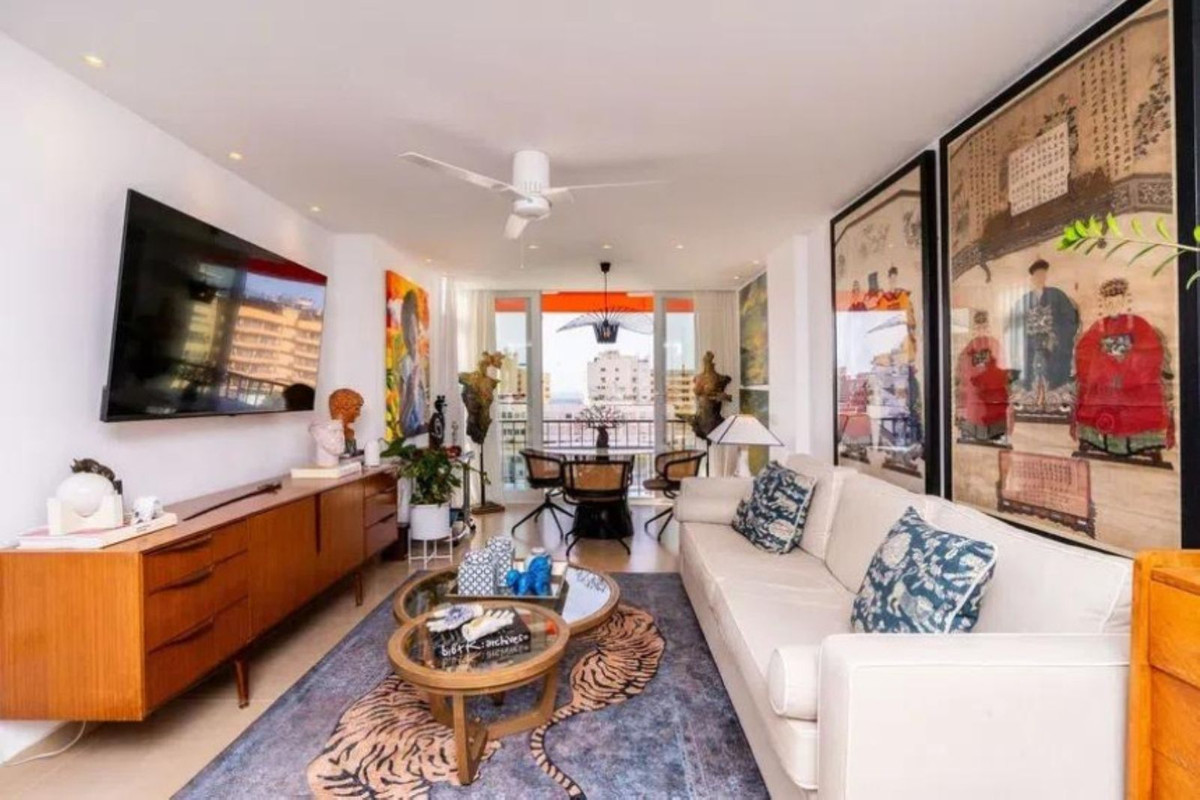
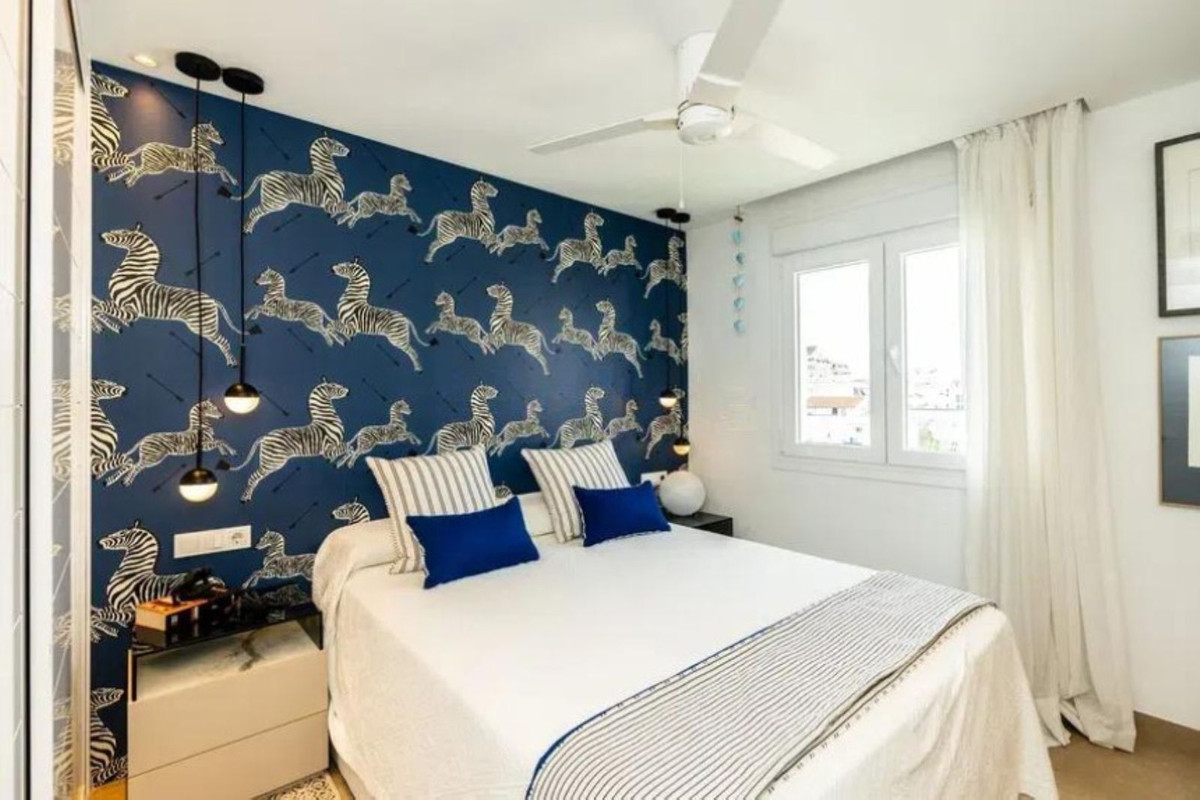
Featured Properties
See more


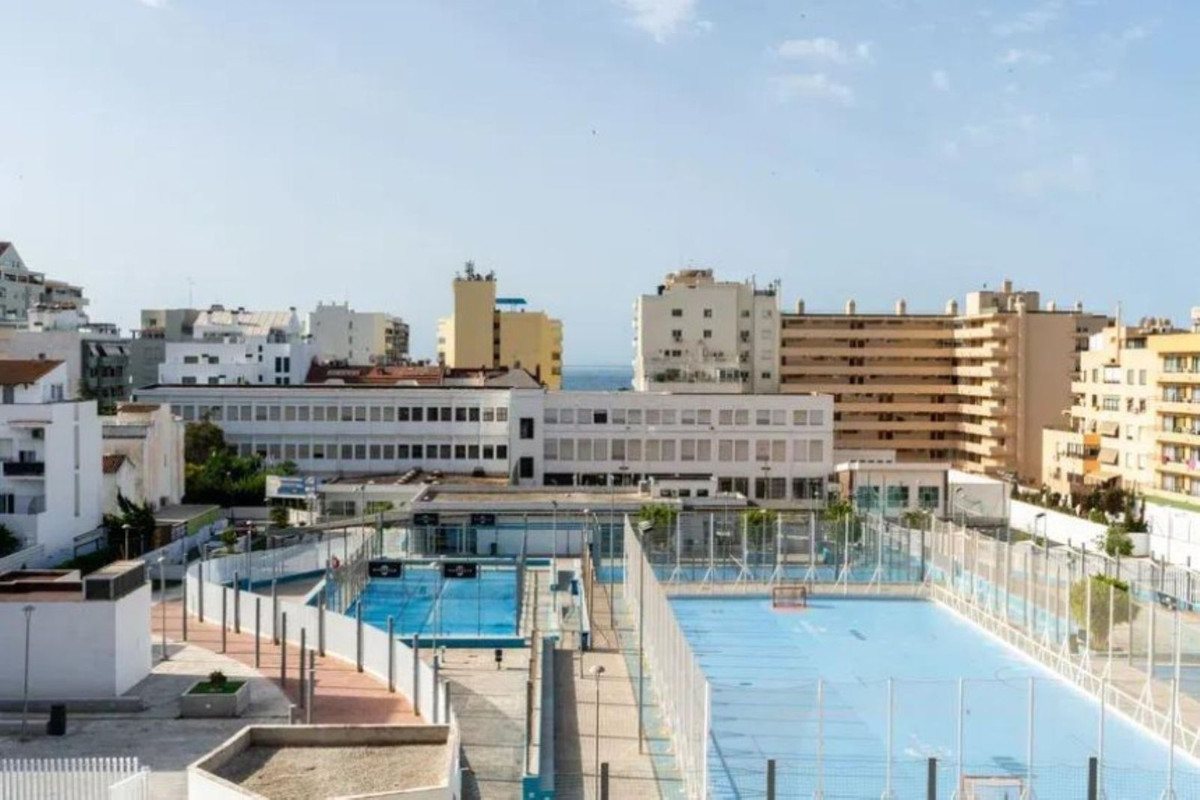
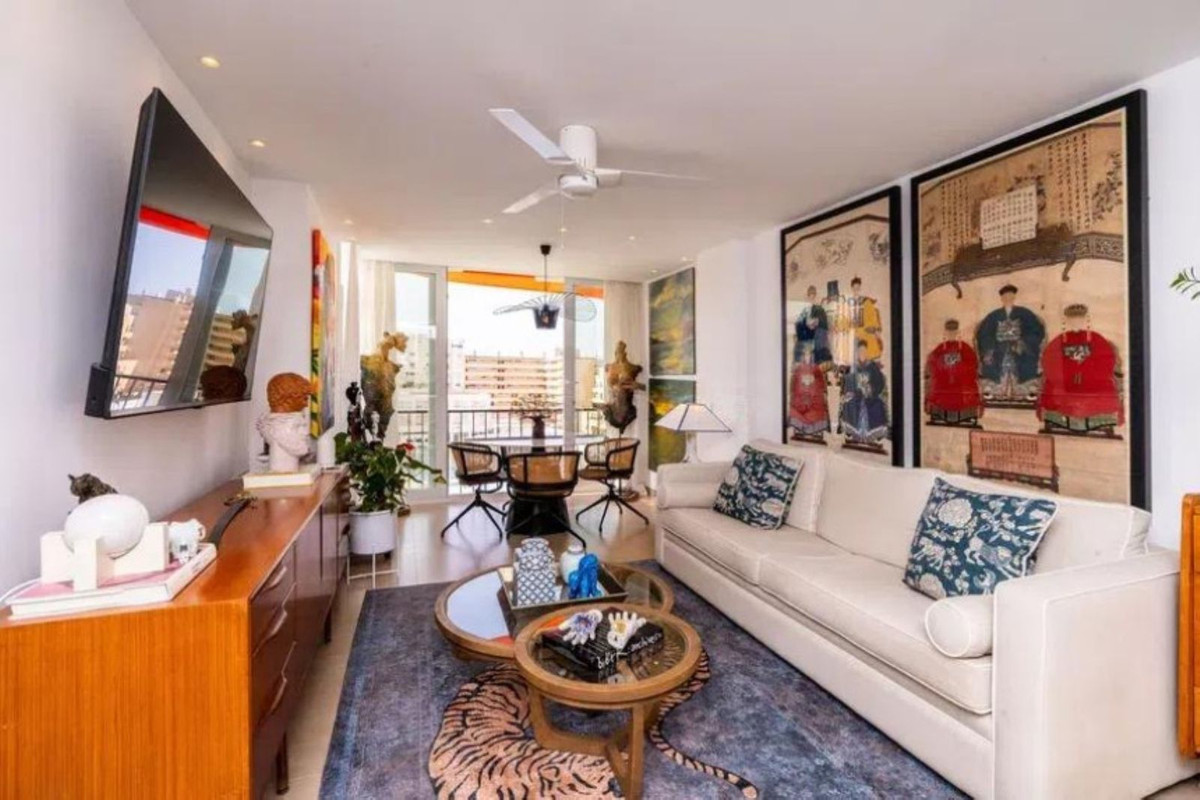
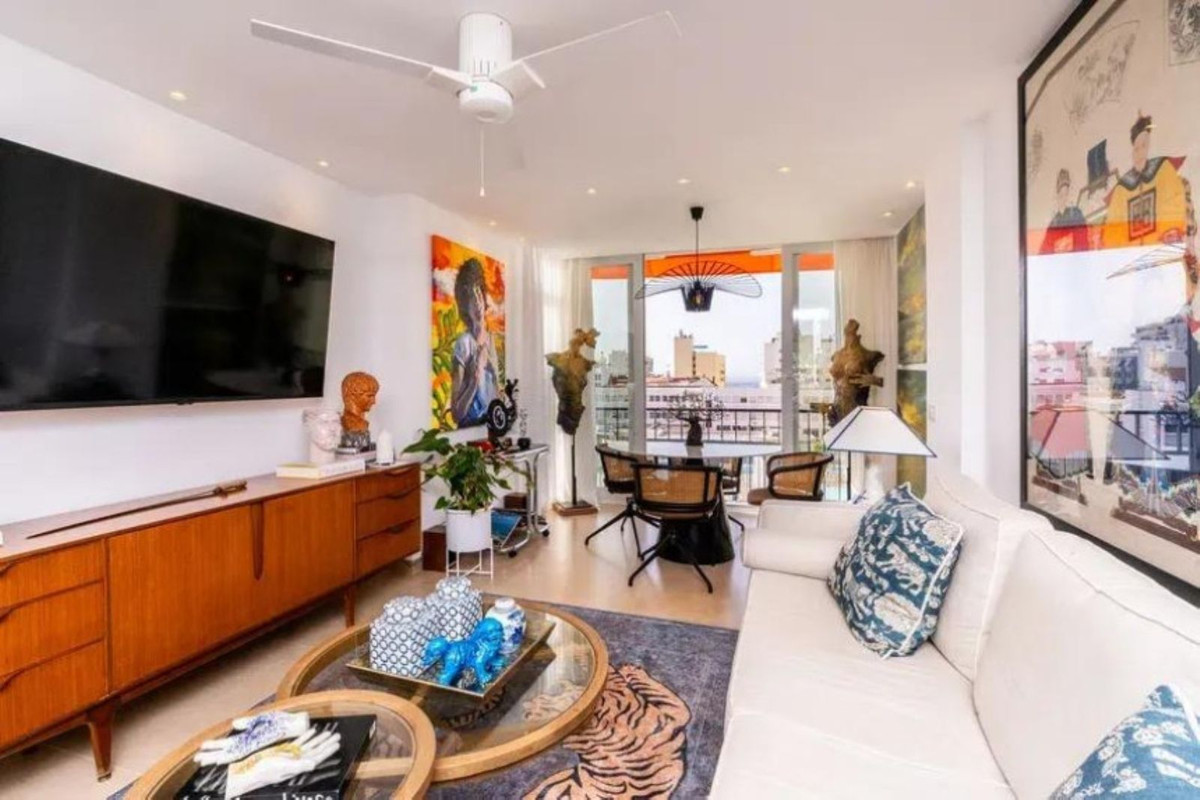
Size matters: Poles do not buy “micro”
A very interesting (and practical) piece of information from the data: Poles in Spain are not interested in the smallest units. Units up to 40 m² constituted only 3.7% of purchases.
The most popular were:
- 60–80 m²: 29.9%
- over 100 m²: 28%
- 40–60 m²: 19.7%
- 80–100 m²: 19.5%
Poles more often buy apartments “to live in” (at least part of the year) than purely investment studios. This also explains why in conversations phrases like “second bedroom for guests,” “remote work,” “space for longer stays,” “family logistics” increasingly appear.
Loans in Spain: more often, higher amounts
If you think that in Spain properties are bought only with cash, the data contradict this. In 2025, Poles took out 1169 mortgage loans, 17% more than the previous year. The average loan amount rose by almost 9% to €188,200.
This has practical consequences:
- The group of clients who have to think more bankwise is growing: income documentation, scoring, down payment, currency risk, schedules,
- The role of properly preparing the transaction and documents is increasing,
- And also, the importance of whether the property “passes” bank standards is growing.
In the background is also the macro context: ECB interest rate cuts and rising property prices. The average interest on new fixed-rate mortgages was 2.99% (vs. 3.46% the previous year), and for variable-rate 3.08% (vs. 3.25%). The share of fixed-rate loans reached 67%.
Prices in Spain hit records: average €2284/m² in 2025
In 2025, the average prices of residential properties in Spain reached a record €2284/m² (+9.5% year-on-year). New properties: €2445/m² (+8%), secondary market: €2240/m² (+9.9%).
There are also huge geographical differences. Among provincial capitals, the most expensive were:
- San Sebastián: €6107/m²
- Madrid: €5283/m²
- Barcelona: €4800/m²
The cheapest: Zamora, Palencia, Jaén (around €1147–1288/m²).
This is another argument for talking about the market regionally, rather than using a “national average.”
Short-term rentals: regulations are stricter and must be taken seriously
In the second part of the source article, a topic appears that is for many investors today as important as the purchase price: short-term rental regulations.
“Buyers must be aware of legislative changes—especially those who would like their property to work on the rental market.” – Tatiana Pękala, Dream Property Marbella, quoted in rp.pl
This sentence hits the mark because in 2026 the investment risk in Spain increasingly depends not on whether there will be demand, but whether it will be possible to rent legally and on what terms.
The “Rzeczpospolita” article indicated key requirements:
- Short-term rentals require fulfilling many requirements, including a tourist license,
- It is necessary to register the property and obtain an identification number, which must be provided in listings (Airbnb/Booking),
- In multi-family buildings, operating tourist rentals requires approval of 3/5 of the condominium votes,
- Starting this year, owners of properties for short-term rental must submit an annual activity declaration (including dates of stays, number of guests, purpose of stay),
- Individual regions are tightening approaches; Madrid temporarily froze issuing new licenses, Barcelona plans gradual phasing out of some permits.
“Although the regulations may seem stricter, they actually favor the long-term stabilization of the market. Limiting illegal offers and greater supply control could positively impact the profitability of legal investments. Currently, it is crucial to buy properties with an already existing tourist license or in locations where obtaining one is possible. A well-executed investment can still yield very attractive returns, especially in tourist regions.” – Tatiana Pękala, Dream Property Marbella, quoted in rp.pl
What does this mean for the buyer? 7 practical conclusions
- Spain is no longer “cheap” in general terms, but it remains diverse. Location is more important than ever.
- Poles buy increasingly “product consciously”: size, standard, estate, amenities, not just “sea view.”
- The primary market is our hallmark, but this requires even better due diligence (schedules, inspections, documents).
- Loans are rising, so the number of transactions where banking correctness of documents and securities matter is increasing.
- Prices are rising faster than many clients assume, so it is worth calculating the full budget (purchase + costs + maintenance).
- Short-term rental is now a “zero-one” topic: either you have a legal route, or you have risk.
- The best purchasing decisions combine emotions (lifestyle) with procedure (law, licenses, documents), especially on Costa del Sol, Valencia, the Canaries, and Murcia, where demand is high and regulations affect profitability.
Summary: Poles buy in Spain differently than many foreigners
If I had to summarize the trend in one sentence: Poles buy in Spain increasingly “seriously.” Not micro-studios “for quick rent,” but medium and large apartments. Not random locations, but specific regions. Not only with cash but more and more often with credit.
If you plan to buy in Spain (for yourself or as an investment), it is worth starting with three questions:
- Which region fits my goal (living / renting / mix)?
- Does the property meet legal requirements (including for rental)?
- Does the budget include full costs and scenarios (including regulatory)?
Because the sun is guaranteed, and the rest depends on preparation. And this is exactly where we help you.
Source: “Spain attracts Poles. They buy bigger and more expensive apartments”
Author: Adam Roguski
Link: rp.pl – source article
Title photo: Filip Frydrykiewicz