Moving to Spain with a child and buying property: how to take care of emotions, school, and budget?

Moving to Spain often begins with a dream: more sunshine, a calmer pace of life, proximity to the sea, and a new home for the family. However, the decision to purchase property on the Costa del Sol involves not only numbers, location, and size. It also involves children’s emotions, family relationships, the choice of school, and conversations about money, which can still be difficult for many people.
What will you find in the article?
- Moving to Spain with a child : a change not to be underestimated
- How to prepare a child for moving to Spain?
- Choice of school in Spain: local or international?
- Extracurricular activities as a way to learn language and build relationships
- Support, but do not do it for them
- Buying property in Spain: why are the emotions so strong?
- Three psychological traps when buying property
- Talking about money without emotions is a sign of maturity
- Spain with a child and “with sense”
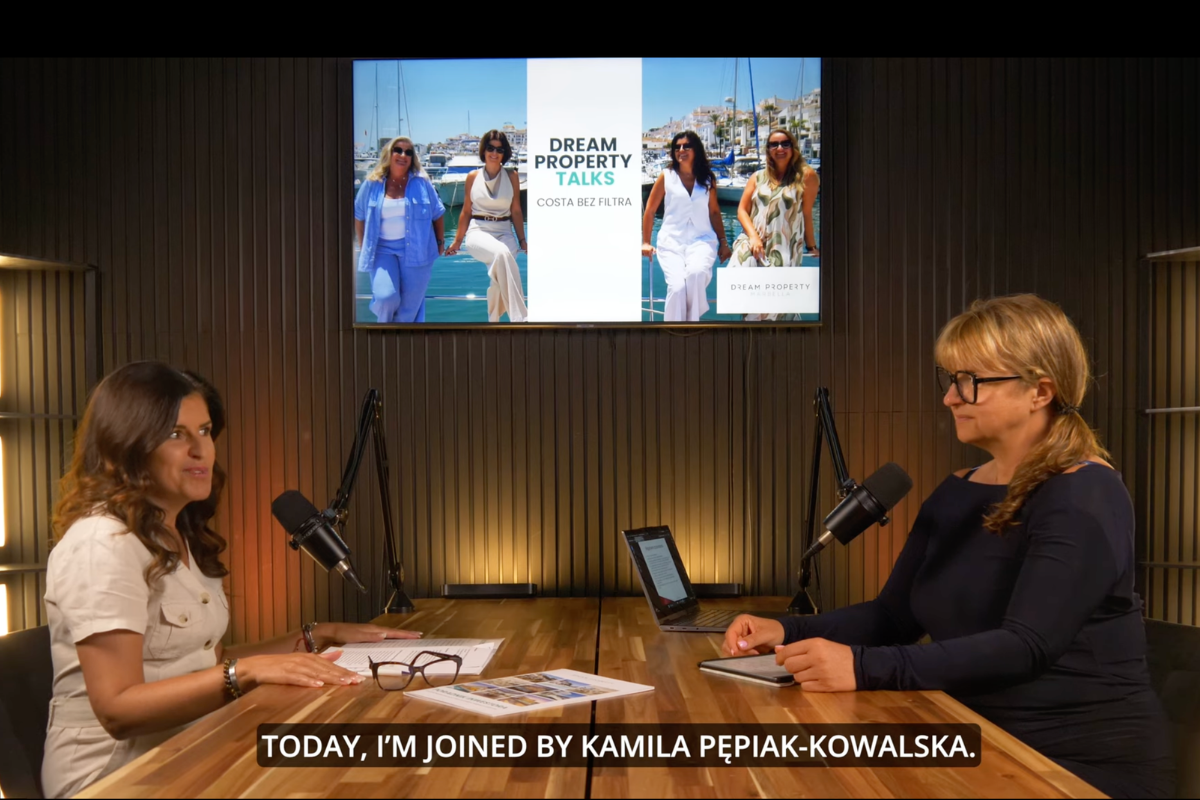
These two important dimensions of moving are discussed by Tatiana Pękala, Founder & CEO of Dream Property Marbella, and Kamila Pępiak-Kowalska, business educator, consultant, and MBA lecturer, in the Dream Property Talks podcast. The entire conversation can be watched here: “Moving: adapting a child in Spain and the psychology of money”.
Moving to Spain with a child: a change not to be underestimated
For adults, a move may mean a new chapter, greater career opportunities, or the fulfilment of a long-postponed plan. For a child, it is primarily a change in the world they know: language, school, friends, daily routine, and sense of security.
However, this does not mean that a child cannot cope with adaptation. On the contrary, children often learn the language and find their way in a new environment faster than adults. The key, however, is how parents accompany them in this process.
The best starting point is an honest conversation. It is not worth pretending that “nothing big is happening,” but it is equally important not to create an atmosphere of threat. The child needs to hear the message: this will be a change, sometimes difficult, but they will not be alone in it.
How to prepare a child for moving to Spain?
Preparation should ideally begin before departure. Simple actions can be helpful:
- familiarizing with the Spanish language through songs, fairy tales, and films,
- viewing photos together of the new city, beaches, school, and neighborhood,
- talking about what the child might be afraid of,
- planning the room, activities, or first weekends after the move together,
- preserving some familiar family rituals.
Language should not be presented as an exam or an obligation, but as a tool to discover a new place and form relationships. A child who hears Spanish in a safe, home context adapts more easily to it later at school.
Choice of school in Spain: local or international?
One of the most important decisions for families moving to the Costa del Sol concerns school. There is no universal answer here because much depends on the child’s age, language, temperament, planned length of stay in Spain, and family lifestyle.
A local school can support faster integration into language and everyday life in Spain. On the other hand, an international school can be a good solution for families who want to ensure their child’s continuation of education in English or another educational system.
It is worth paying attention not only to the curriculum. Equally important are:
- the way the school welcomes new children,
- availability of language support,
- communication with parents,
- the atmosphere in the classroom,
- extracurricular activities,
- distance from home and daily logistics.
A good school understands that a new student needs time. It is worth trusting the teachers but at the same time staying attentively in contact with the child. You can read more about schools in this article on our blog: Education in Spain.
Extracurricular activities as a way to learn language and build relationships
School is not the only place for adaptation. Sports, music, dance, art, or other activities where a child can meet peers outside the classroom are of great importance.
If a child studies at an international school in English, classes held in Spanish can be a natural way to enter the local community. On the playing field, during training, or a joint project, language ceases to be a school task and starts being a tool for relationships.
Featured Properties
See more














Support, but do not do it for them
Parents want to protect their children from stress. That is natural. However, care must be taken to ensure that support does not turn into taking over all difficult experiences for the child.
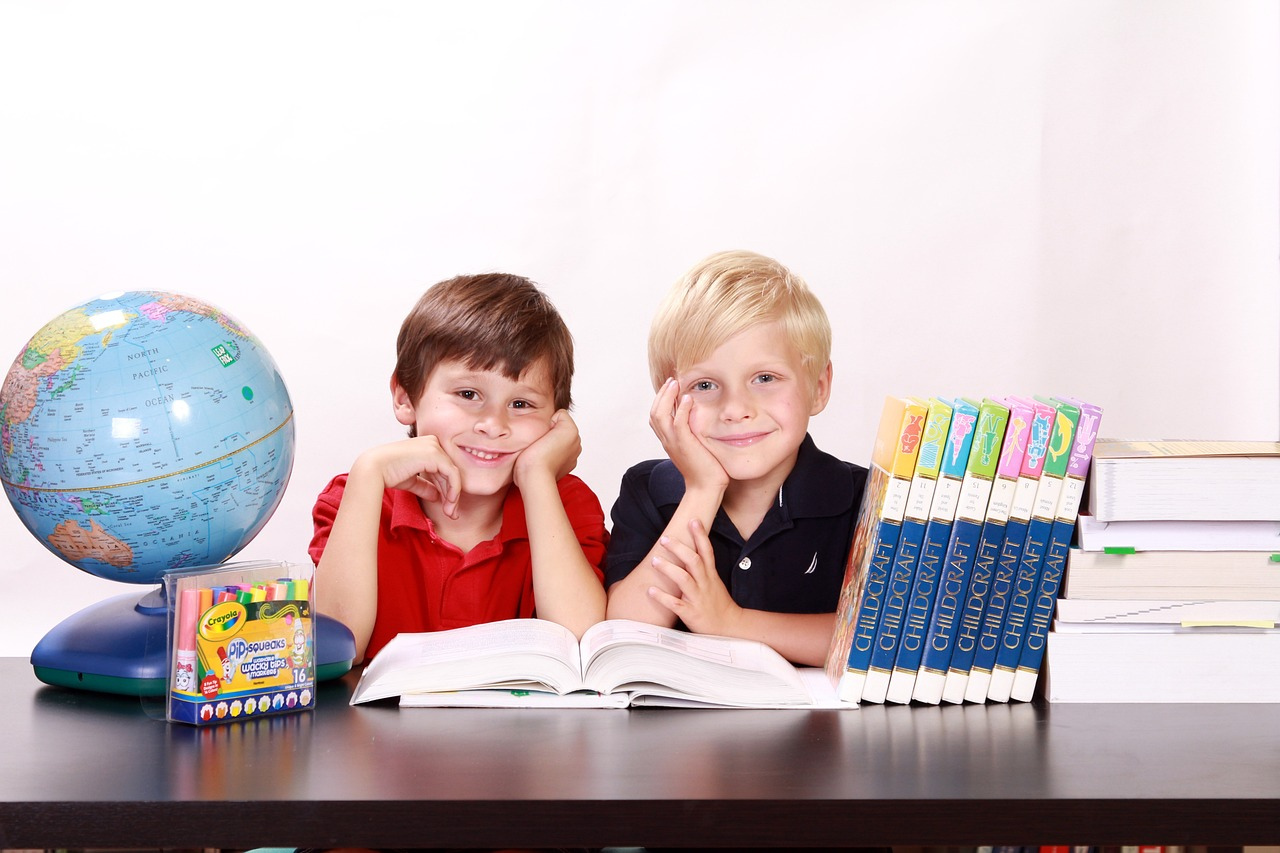
A good approach is attentive companionship: listening, asking, naming emotions, and jointly seeking solutions. Excessive control of every relationship, intervening at every difficulty, or expecting immediate adaptation is less helpful.
It is especially important not to shift adult responsibilities onto the child. A child may learn the language faster than a parent, but should not serve as a translator when handling official matters, serious conversations, or formalities related to the move. That is not their role.
Buying property in Spain: why are the emotions so strong?
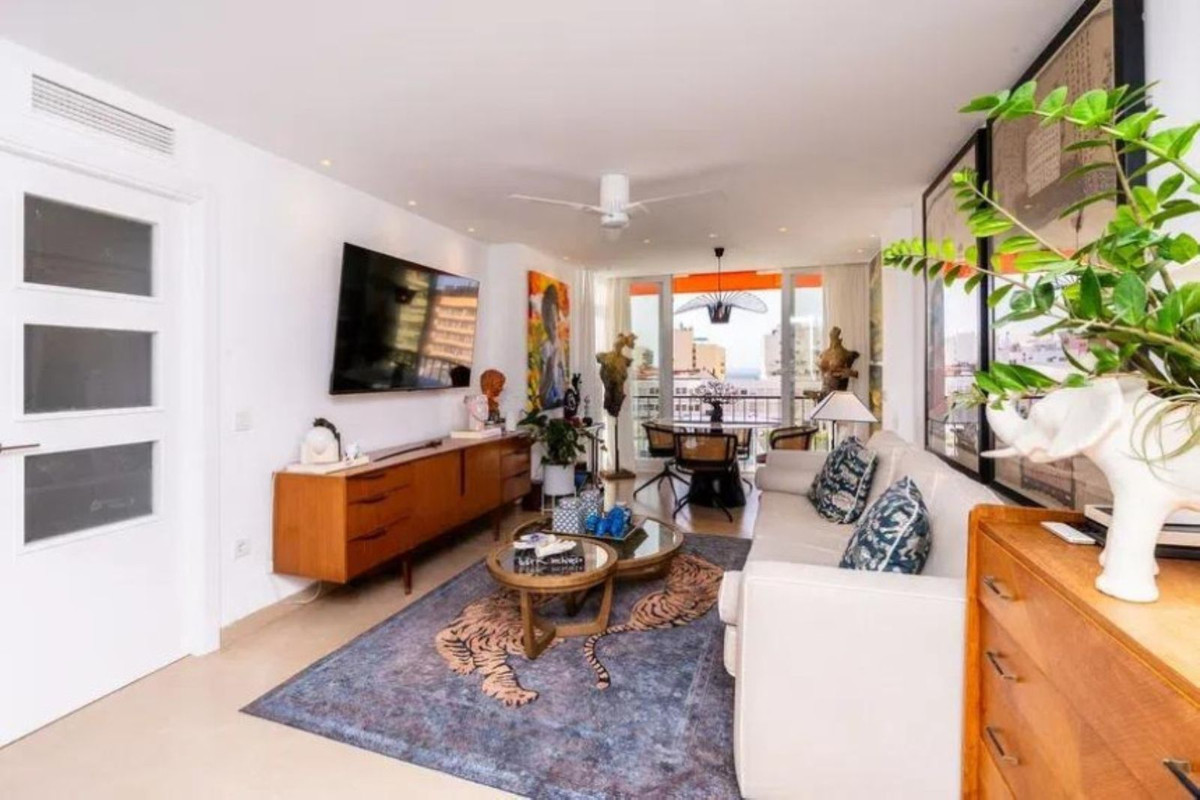
Buying a house or apartment is one of the biggest financial decisions in life. At the same time, it is a deeply emotional decision. We see the terrace, the light in the living room, proximity to the sea, or future breakfasts with the family and start imagining a new life.
This is the beautiful part of the process, but emotions should go hand in hand with a plan. Property should be treated as a project: with a clearly defined budget, schedule, priorities, and a contingency fund for additional costs.
Before starting to view offers, it is worth answering a few questions together:
- What is our real budget for the purchase?
- Have we included taxes, fees, and transaction costs?
- How much do we want to allocate for renovation, furnishing, and equipping the home?
- Do we have a reserve for unexpected expenses?
- What is the absolute priority for our family?
- What can we give up without feeling that we are buying the wrong property?
Three psychological traps when buying property
Anchoring
The first price we see can influence the assessment of subsequent offers. If we start with a very expensive property, the next one may seem like a bargain simply because it costs less – even though it still exceeds our budget.
Loss aversion

Sometimes we fear letting go of a property because it seems unique or “the last one on the market.” The thought appears: “If we don’t buy now, nothing better will come along.” This fear can lead to decisions made under pressure.
Sunk cost
The more time, energy, and money we have invested in the process, the harder it is to say “no.” Even if after inspections, document analysis, or multiple viewings we see that the property does not meet key criteria, we may want to proceed with the transaction “because we have already invested so much.”
Awareness of these mechanisms does not remove emotions but helps not to give them full control over the decision.
Talking about money without emotions is a sign of maturity
Many people still heard at home that “money is not talked about.” Meanwhile, a lack of financial openness during property purchase can cost time, energy, and unnecessary tension.
A clear conversation about the budget with a partner, family, and advisor is not awkward. It is responsible. A good agent should not apply pressure or sell a dream at any cost. Their role is to help the client find a property aligned with real needs, financial capabilities, and life plans. It is worth remembering that the decision “we are not buying this property” can also be a very good decision. You can read about how much buying property in Spain really costs in an article on our blog.
Spain with a child and “with sense”
A successful moving to Spain is not just about choosing the right home. It is also about the child’s sense of security, a school tailored to the family’s needs, space for adaptation, and calm financial decisions.
A child does not need parents who have an answer to every question and control every stage of change. They need adults who can remain calm, talk about emotions, and create stable conditions for them in a new place.
And adults need the courage to speak openly about money, needs, and budget limits. It is precisely in this balance – between heart and reason – that a good life in Spain begins.