Moving to Spain – here is what you should know

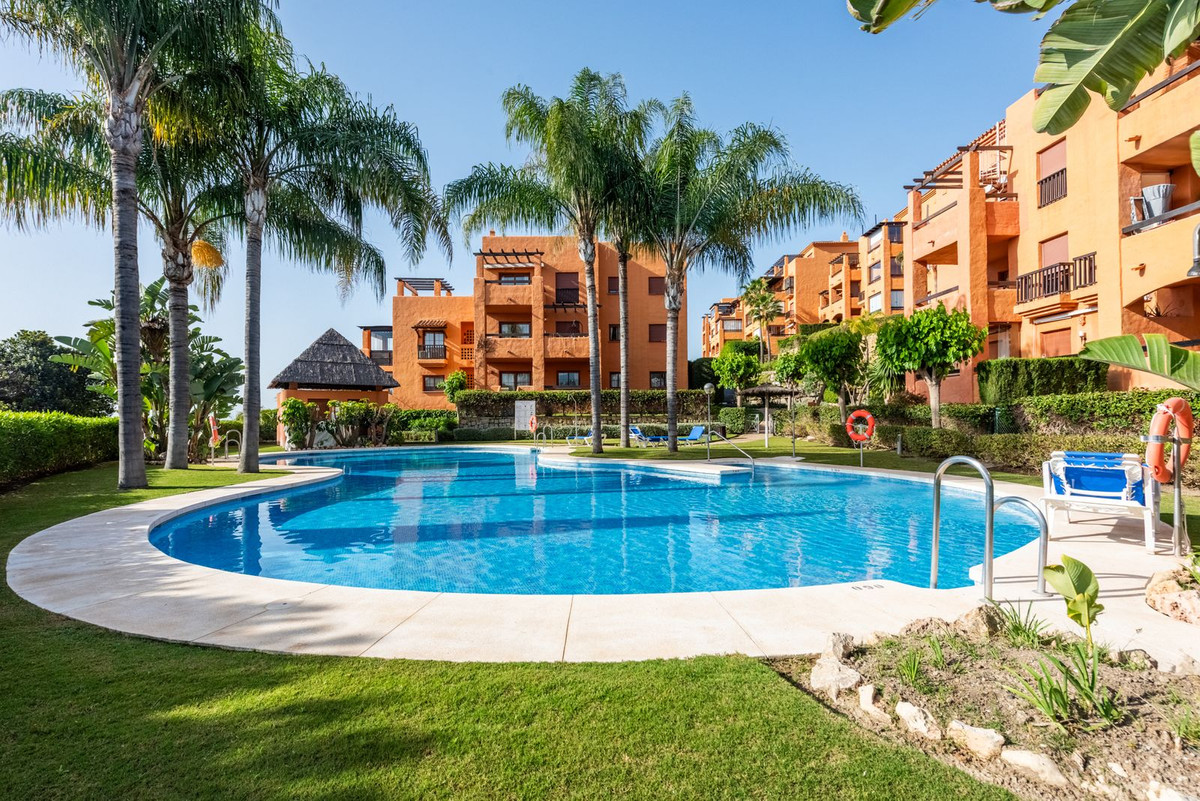
Moving to Spain, understandably, can be one of the most important decisions in your life. If you are determined to take such a step, however, you need to prepare properly for it. Before leaving, it is worth learning, among other things, about the specifics of the real estate market in Spain, the costs of maintaining an apartment, living expenses, and how much you may pay for organizing the move itself. Shall we start?
What will you find in the article?
In the years 2018-2019, that is before the coronavirus appeared, about 1,000 investors from Poland bought properties annually in Spain. This is according to data from Registradores.org, the local property registry. Later, the pandemic froze the market and transactions slowed down, but for several years now compatriots have been eagerly looking towards the Iberian Peninsula. Some buyers do this with investment in mind, but there are also many who are thinking about moving to Spain.
If you are also thinking about how to move to Spain, we have some tips that will help you more easily enter the Spanish real estate market and move there.
Moving to Spain? First, learn about the property purchase process

I recently wrote about the current and forecasted moods in the Spanish market HERE. After getting acquainted with the general situation, it is worth moving on to the next topic that needs to be explored before moving to Spain – the property purchase process itself. As you know, each country has its own customs (including legal), so we always recommend using the services of a Spanish lawyer during the transaction. A hired lawyer will oversee the correct progress of the purchase and help you avoid troubles. And what should you particularly remember?
Moving to Spain – NIE
First of all – NIE, that is Numero de Identidad de Extranjero. This extremely important identification number is necessary for foreigners to carry out any legal or tax activities. The application for it is submitted at a police station (or at the Spanish consulate in Poland), but it can just as well be done by your attorney via power of attorney. The procedure of obtaining the NIE number usually takes up to three weeks.
Moving to Spain – bank account
Second – a Spanish bank account. Without it, you won’t be able to complete a property purchase transaction in Spain. To open it, you need not only your passport or ID card but also the aforementioned NIE number.
Moving to Spain – reservation fee
Third – the reservation fee. If you decide on a specific property, you will be required to transfer usually from 3,000 to 6,000 euros to the lawyer’s escrow account. The transaction is then secured by a document signed by lawyers from both sides.
Moving to Spain – private contract
Fourth – contrato privado, that is private contract. It precedes the notarial contract conclusion and is prepared by the lawyers. In short, the contrato privado’s role is to list all purchase conditions and ensure that the property is legally in order. Only then can the date for signing the notarial deed and closing the transaction be set.
Agent support during the move to Spain
In Poland, the role of an agent often boils down to basic tasks, i.e., presenting offers, showing properties, and acting as a liaison in negotiations between parties. However, when it comes to moving to Spain, an agent can play a much more important role. Especially if you choose a specialist well familiar with the given region (which we recommend).

How do we work at Dream Property? If you decide to buy property on the Costa del Sol, first – based on your guidelines – we will send you a preliminary list of offers. You will review it, select the most interesting ones, and then we will prepare a refined, final list of properties to view. However, our work does not end with presenting properties and facilitating negotiations.
If you are in Spain for the first time, we can arrange a meeting with a lawyer for you and help you open an account at a local bank. We also support you during the various stages of purchasing property because we know how important perfect Spanish knowledge is (English alone may be insufficient). We will also ensure good information flow between the transaction parties and resolve possible issues on an ongoing basis. Later, we can accompany you to the notary’s appointment.
But it doesn’t end there. If you need further support, we can help you find a renovation company or handle property management when you are away. We can also assist with everyday tasks, such as handling official matters.
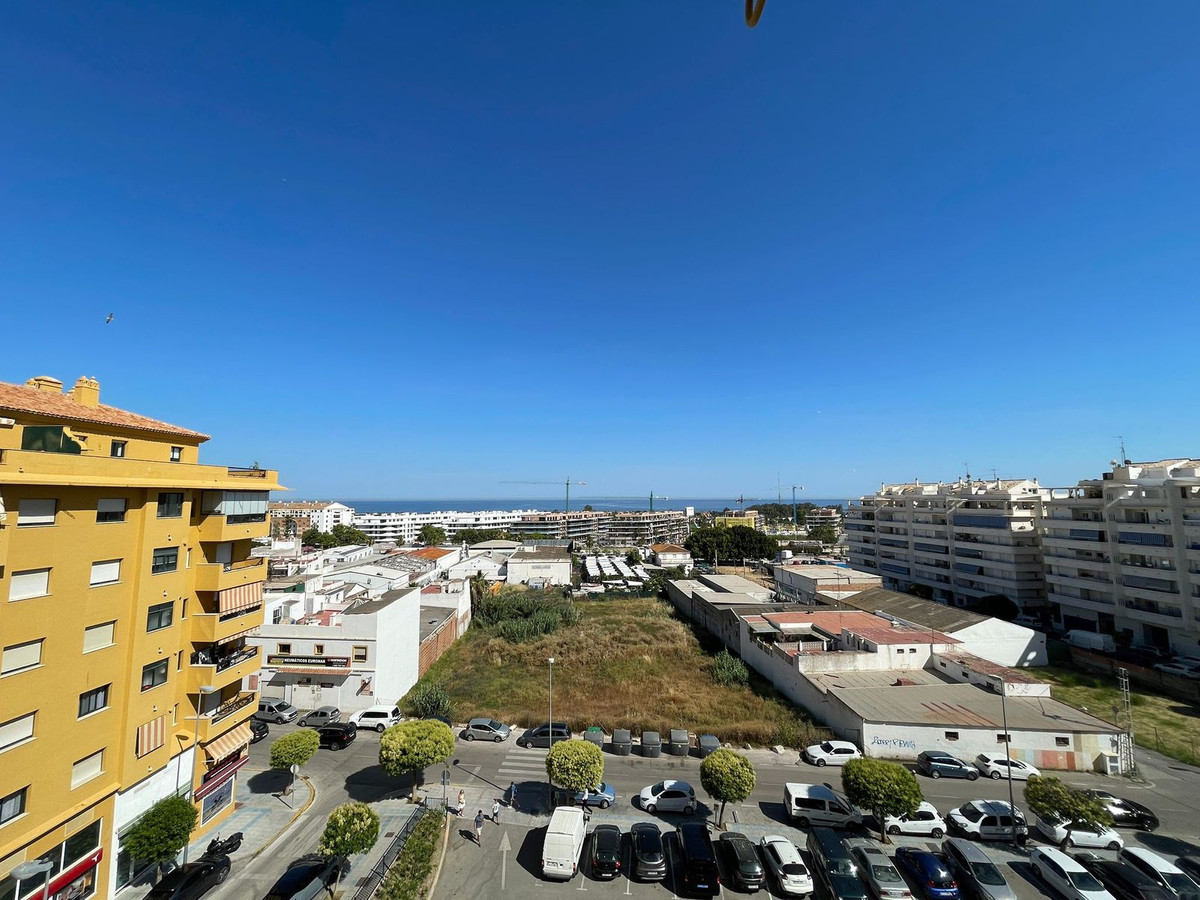

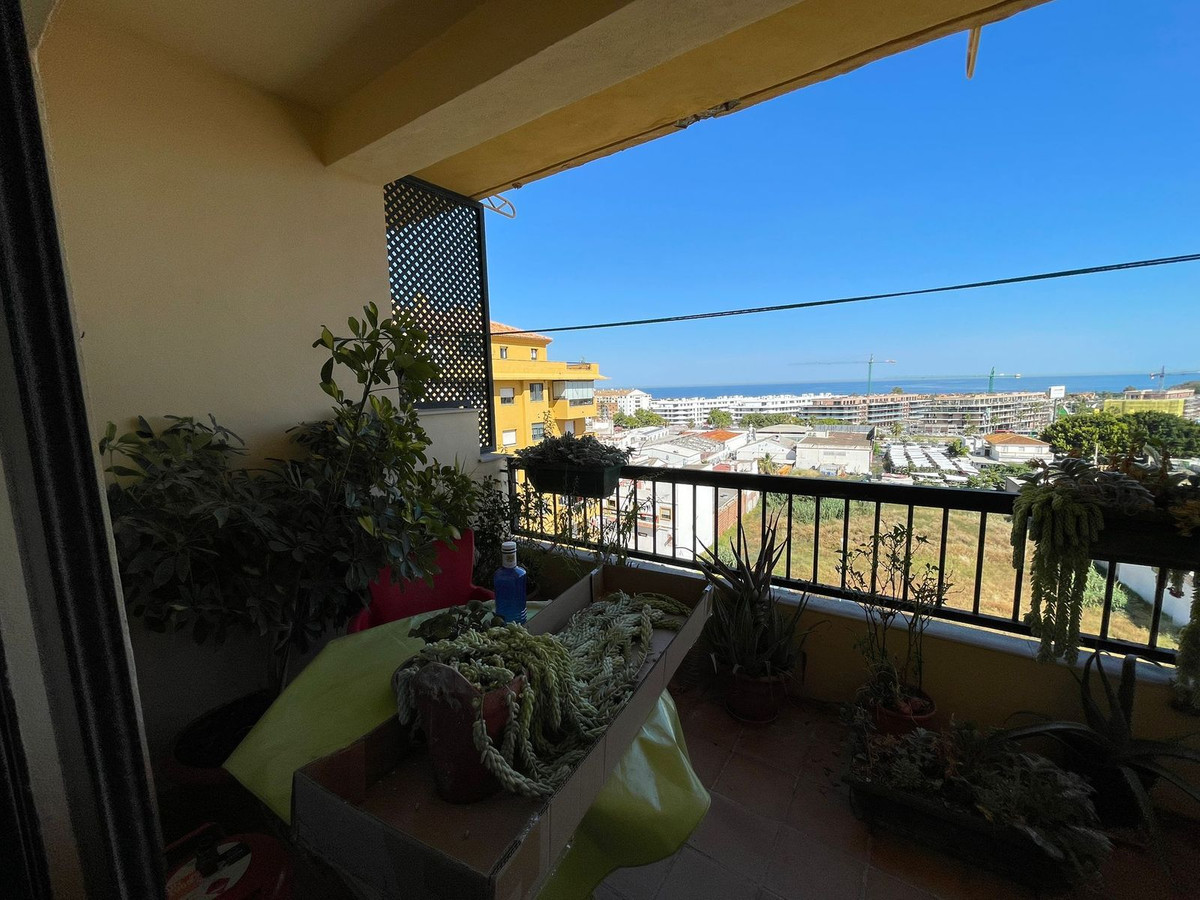

































Estimated logistic costs of the move
The mission “moving to Spain” is not only about searching for property and handling formalities. It is also about logistics. It may happen that you want to transport many personal belongings or furniture. This requires a good plan because the route from Poland to Spain is about 3,000 km.
Of course, you have two options: car or plane. Most people choose the first. If your belongings are not too large and fit comfortably in a bigger car, you can manage it alone. The trip from Warsaw to Madrid should take about 30 hours (not counting overnight stays or longer stops). Fuel costs should be supplemented with toll fees.
And what if your belongings are large and you cannot organize the move to Spain on your own? In that case, you have companies specializing in such transport at your disposal. This, of course, involves a higher expense, but if you can afford it, the whole problem is off your shoulders. Moving to Spain transport is a topic that does not have to be scary, especially if you use our recommendations.
Costs of property maintenance in Spain and of living
Since we are talking about money, it is also necessary to know the costs related to property maintenance. Owning your own apartment or house requires taking into account expenses such as:
- property tax – Impuesto Sobre Bienes Inmuebles (commonly called IBI),
- annual property insurance,
- rent – comunidad,
- garbage collection fee – impuesto de basura,
- community fees,
- utility bills (electricity, water),
- TV/internet fees,
- maintenance/repair costs,
- important: investors who are not permanent residents must also pay the Spanish non-resident income tax (IRNR) annually.
How can this translate into annual maintenance? Of course, it all depends on your needs and lifestyle, but this analysis was prepared by the International Living company. As they state, “excluding rent or mortgage payments – and depending on lifestyle – a couple can easily live on $20,000 USD annually and still regularly eat out.” If we believe these calculations, it will be about 80,000 PLN per year. We talk about maintenance costs in episode 13 of our podcast “Dream Property Talks – Costa without filter.”
Moving to Spain with children requires even better planning. Not only housing issues but also school, healthcare, daily transport, and the entire family’s adaptation process must be considered. Children often learn the language faster and find their place in the new environment, but at the same time, they strongly experience the change of surroundings, separation from loved ones, and loss of prior routine.
Therefore, moving to Spain with children should be scheduled in stages. It is worth checking schools, transportation, availability of extracurricular activities, and how everyday life looks in a specific area in advance. If you are just considering buying a house or apartment, our articles about properties in Spain by the sea, properties in Spain needing renovation, and properties in Spain repossessed by the bank may also be helpful.
What formalities need to be completed before moving to Spain?
This is one of the most important questions when planning a move to Spain, so it is worth organizing formalities before departure. The better you prepare your documents and plan of action, the smoother your start on site will be.
Before leaving, it is good to take care of:
- a valid ID card or passport,
- birth and marriage certificates, if they may be needed officially,
- medical documentation and prescriptions,
- work or business documents,
- proof of financial resources,
- children’s school documents, if moving to Spain with children is planned,
- sworn translations of selected documents, if they might be needed.
On site, you usually need to arrange a foreigner’s identification number, registration, bank account, healthcare matters, and – depending on the situation – residence registration. If you plan to work, children’s education, or property purchase, the move to Spain formalities should also include analyzing local requirements in the specific region.
Read, check, ask, talk!
If you have already chosen your dream property in Spain and completed all necessary formalities, it’s time to… do your homework properly. This means getting to know the specifics of life on the Iberian Peninsula because you will enter a culture that in many ways differs somewhat from the Polish one.
You can find plenty of information in our podcast “Dream Property Talks – Costa without filter.” Moving from Poland to Spain is a topic we have covered twice already. In episode 16, we discuss the formalities of moving to Spain, and in episode 18, we focus on what happens in our minds when we change countries of residence. We will definitely return to this topic.

Portals about Spain, guides, films, books, newspapers, podcasts, online forums… – everywhere you will find many important pieces of information about this country. Do you know someone who has lived in Spain or regularly visits there? Great, bombard them with questions. Do you have the opportunity to participate in foreign real estate fairs? Excellent, in one place you will meet many experts who know the Spanish real estate market inside out. You will also find plenty of valuable information, of course, on the websites of real estate agencies specializing in a specific region.
And if you are still wondering whether it is worth moving to Spain, write to us. At Dream Property, we will gladly answer all your questions related to moving to Spain. Good luck and see you soon.
FAQ
Do I need a residence permit as an EU citizen?
An EU citizen does not need a classic residence permit, but for longer stays in Spain, certain registration formalities usually must be completed. The range of obligations depends on the length of stay and life situation.
Is knowledge of Spanish necessary for life and work?
It is not always necessary at the beginning, but it greatly facilitates daily life, official contacts, work, and building relationships. The better your Spanish, the easier your adaptation and the greater your sense of independence.
What are the most common challenges when moving to Spain?
Most often, these are formalities, language barrier, overload with daily matters, loneliness, cultural differences, and the clash of expectations with reality. Many people also experience emotional fatigue in the first months after moving.
What documents should I prepare before departure?
Above all, identity documents, family, medical, professional, school documents, and financial confirmations. In some cases, sworn translations and copies of documents in both paper and digital versions will also be useful.