Visa for digital nomads in Spain – remote work from the Spanish coast


The possibility of combining professional flexibility with living in the sun, close to the sea and good infrastructure makes remote work from Spain a real plan for many people today. The southern coast of the country, especially Malaga, Marbella, and the entire Costa del Sol, is particularly popular. However, it is worth distinguishing two issues: the right of residence and work from tax settlements. This is especially important for Poles who, as EU citizens, benefit from different rules than people from outside the Union.
What will you find in the article?
- What is the Spanish digital nomad visa
- Who is this visa for and why as a Pole you do NOT need it
- Instead of a visa: how to legally work remotely from Spain as an EU citizen
- Tax residence: when you start paying taxes in Spain
- Digital nomad visa in practice (for your relatives or collaborators from outside the EU): requirements and process
- Taxes of visa holders
- Why Costa del Sol is a good place for remote work
- FAQ
- Does a Pole need a digital nomad visa to work remotely from Spain?
- How long can an EU citizen stay in Spain without formalities?
- What registration document must a Pole living permanently in Spain obtain?
- When do you become a Spanish tax resident?
- What income must be demonstrated for a digital nomad visa for non-EU persons?
- Can my partner or family from outside the EU join me in Spain?
- What is the Beckham tax regime?
- Is remote work from Costa del Sol comfortable in terms of internet and coworking spaces?
What is the Spanish digital nomad visa
The Spanish digital nomad visa, known as visado nómada digital or digital nomad visa Spain, has been created for citizens of countries outside the European Union and the European Economic Area. It allows legal residence in Spain for people who perform remote work using teleinformation technologies.
Both an employee hired by a foreign company and a freelancer or entrepreneur providing services mainly to clients outside of Spain can use it. As a rule, the activity performed for Spanish entities may constitute only a limited part of the total professional activity, usually no more than 20% of income.
The visa can be issued for up to one year when the application is submitted at a consulate outside Spain. Persons already legally staying in the country can apply for a remote worker residence permit, usually granted for a longer initial period. This status can then be renewed if the conditions of residence and work continue to be met.
Who is this visa for and why as a Pole you do NOT need it
The most important information for Polish citizens is simple: A Pole does not need a digital nomad visa to live and work remotely in Spain.
Poland is a member of the European Union, and its citizens enjoy freedom of movement and residence. This means you can come to Spain, rent an apartment, buy property, and perform remote work without applying for a visa intended for third-country nationals.
However, this does not mean a complete lack of formalities. For longer stays, obligations arise regarding registration of residence, social insurance, the form of cooperation with the employer, and taxes. In particular, a person who moves the center of their life and work to Spain should carefully analyze their situation with a tax advisor and, if employed, also with the employer.
Instead of a visa: how to legally work remotely from Spain as an EU citizen
If you plan to stay in Spain for more than three months, EU citizen residence in Spain is required, that is, registration in the Central Register of Foreigners. This is confirmed by the so-called Certificado de Registro de Ciudadano de la Unión, popularly called the “green certificate” or “green NIE”.
The application is submitted in person at the appropriate foreigners’ office or police station, competent for the place of residence. Required documents include a valid identity card or passport, the required form, payment confirmation, and documents justifying the stay. Depending on the situation, these may be documents confirming employment, business activity, health insurance, or possession of sufficient financial means.
It is worth remembering that the NIE number itself is not equivalent to residence. NIE is the foreigner’s identification number, needed, for example, when buying property, opening a bank account, or entering into contracts. The EU citizen registration certificate, on the other hand, confirms residence registration.
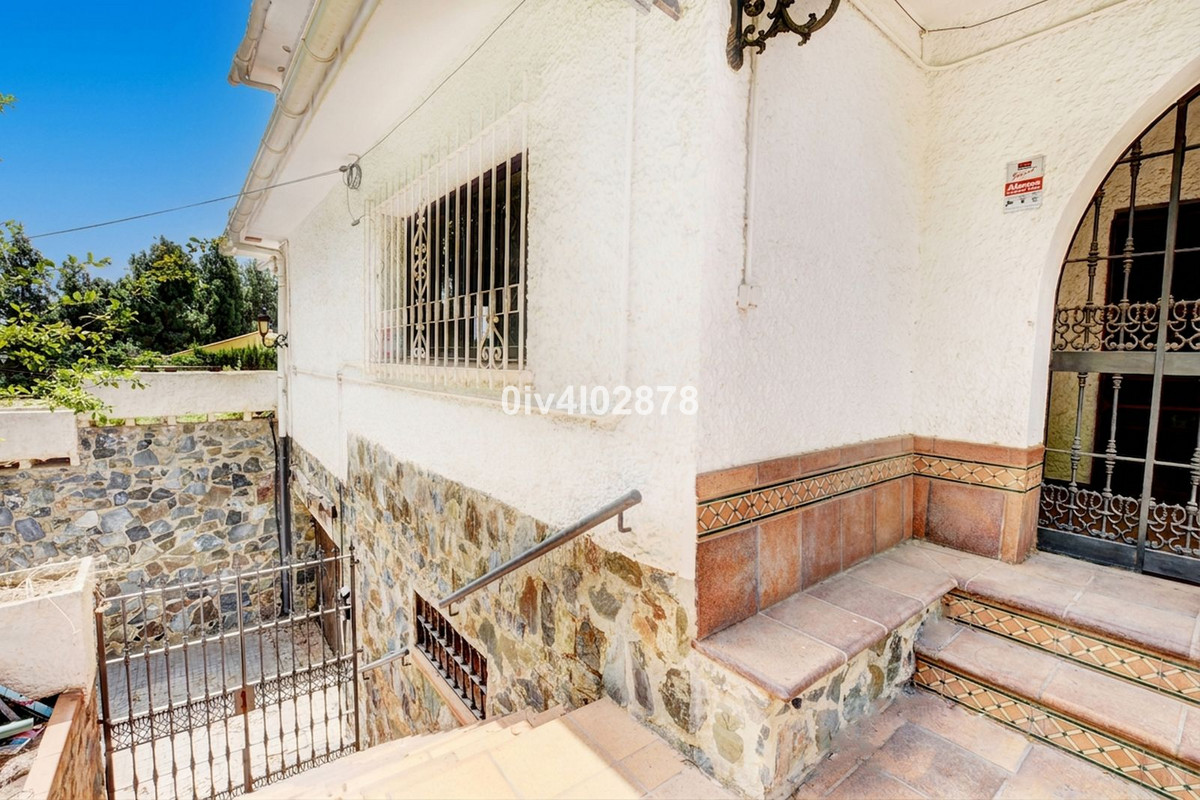
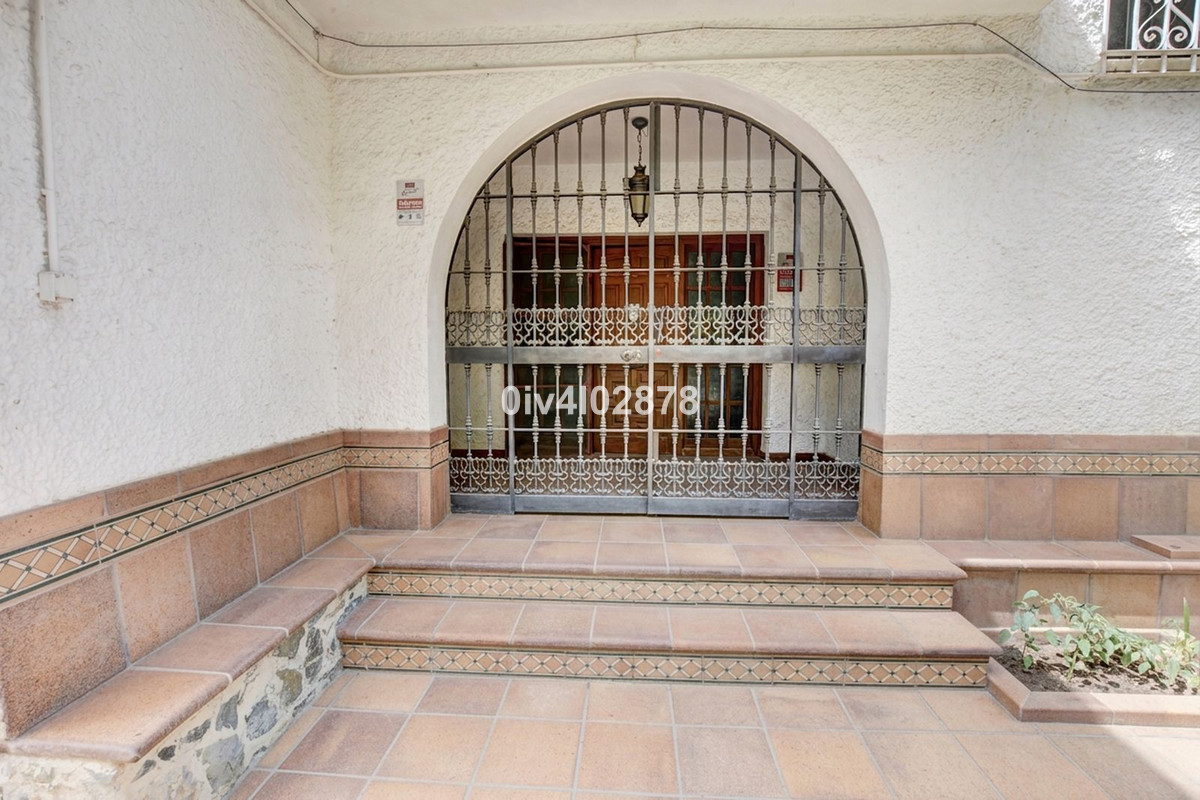
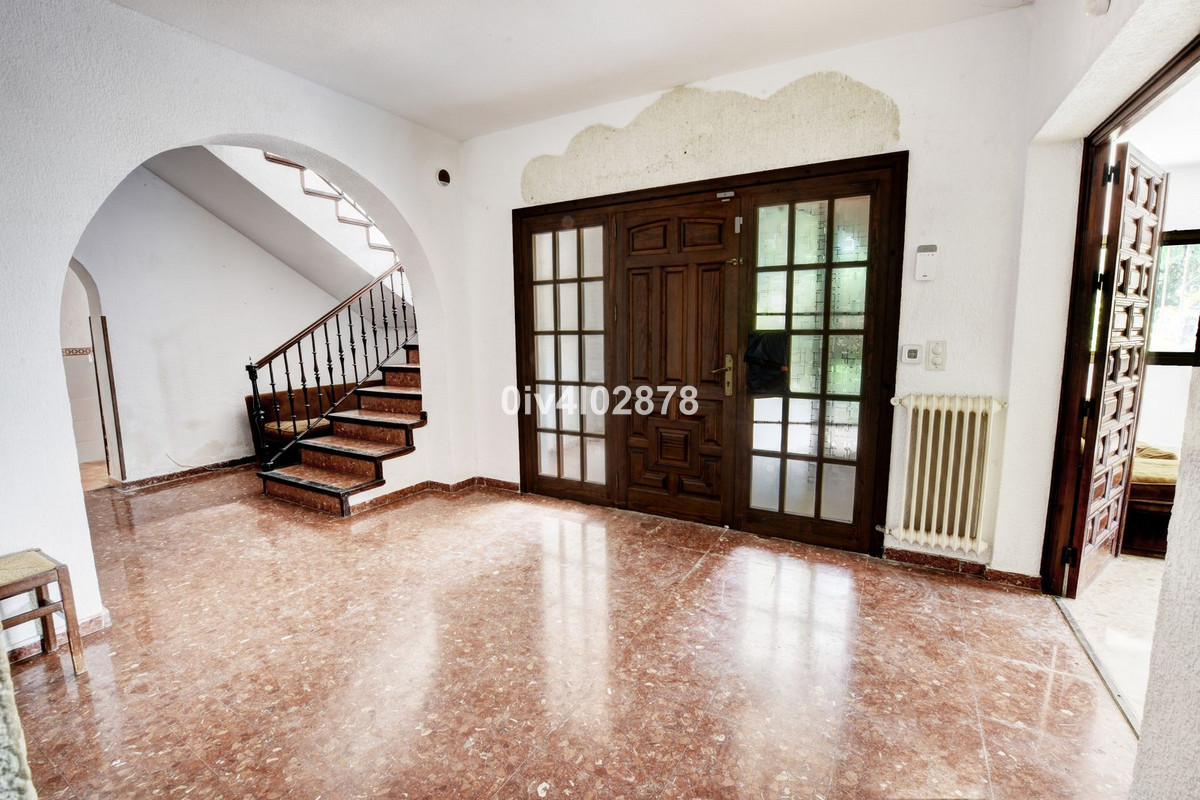
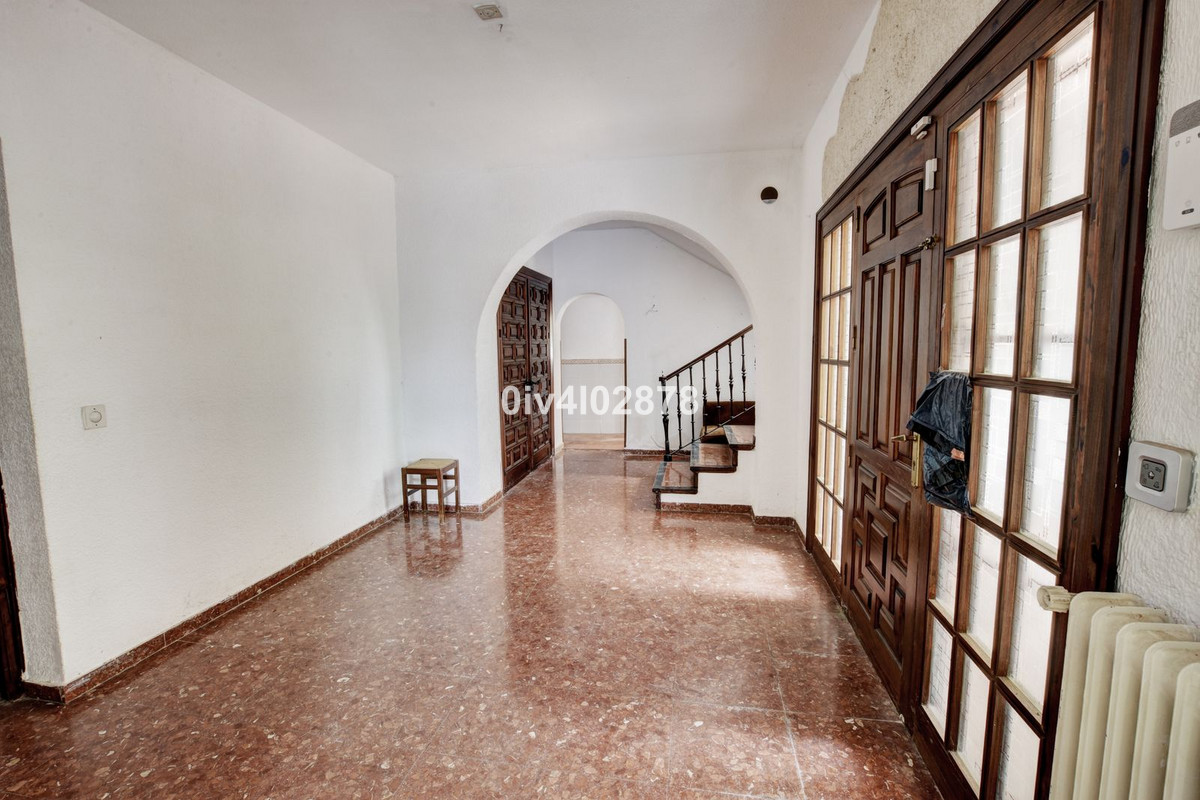
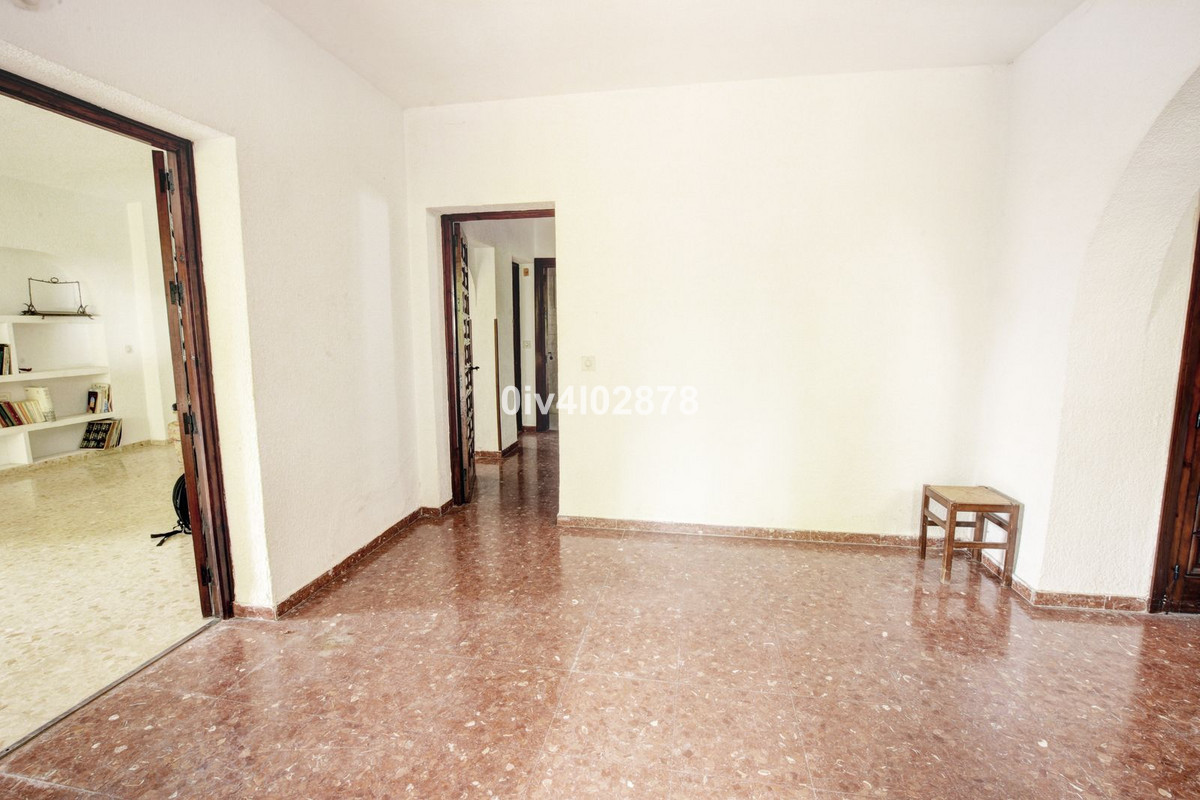
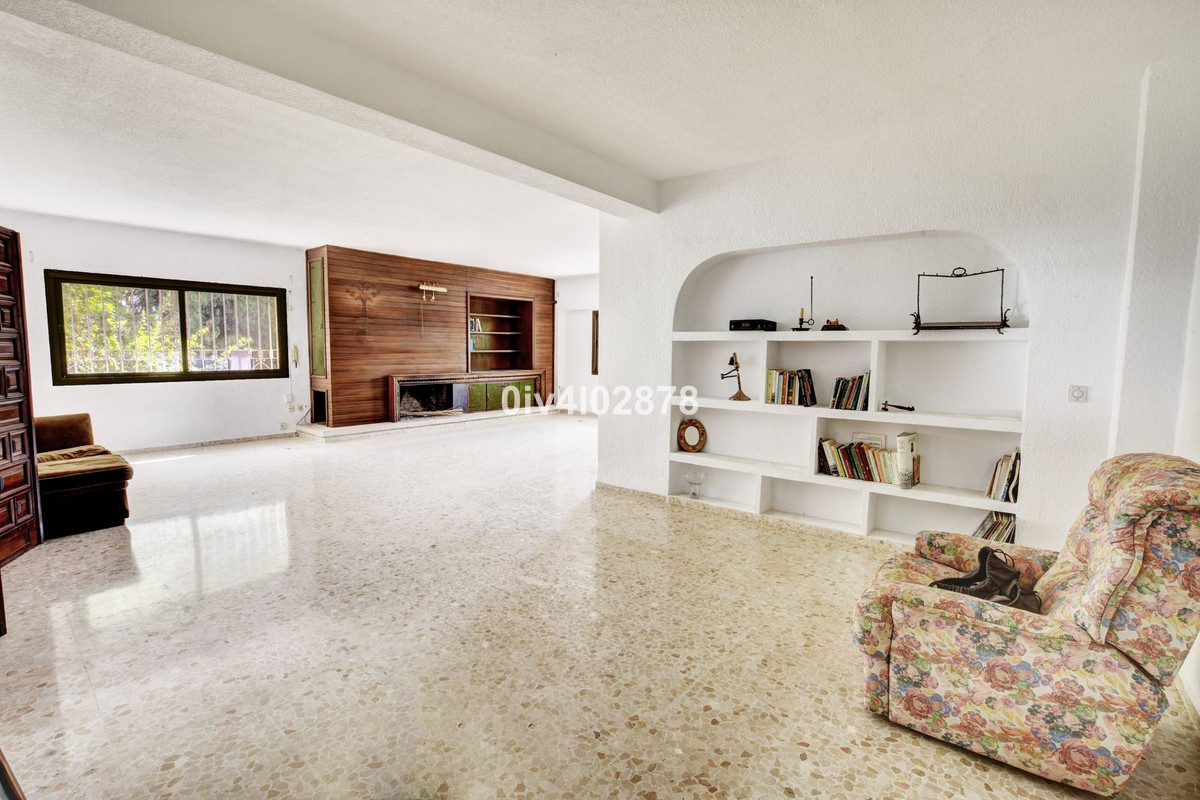
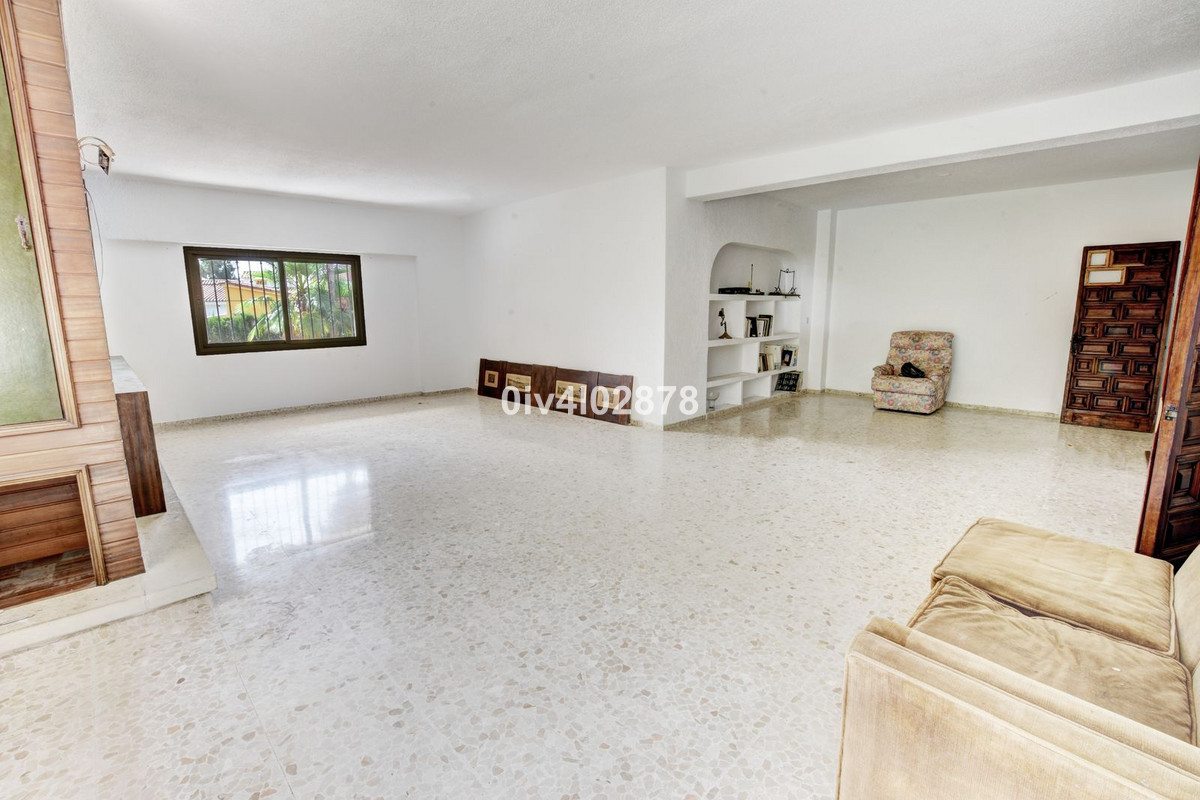
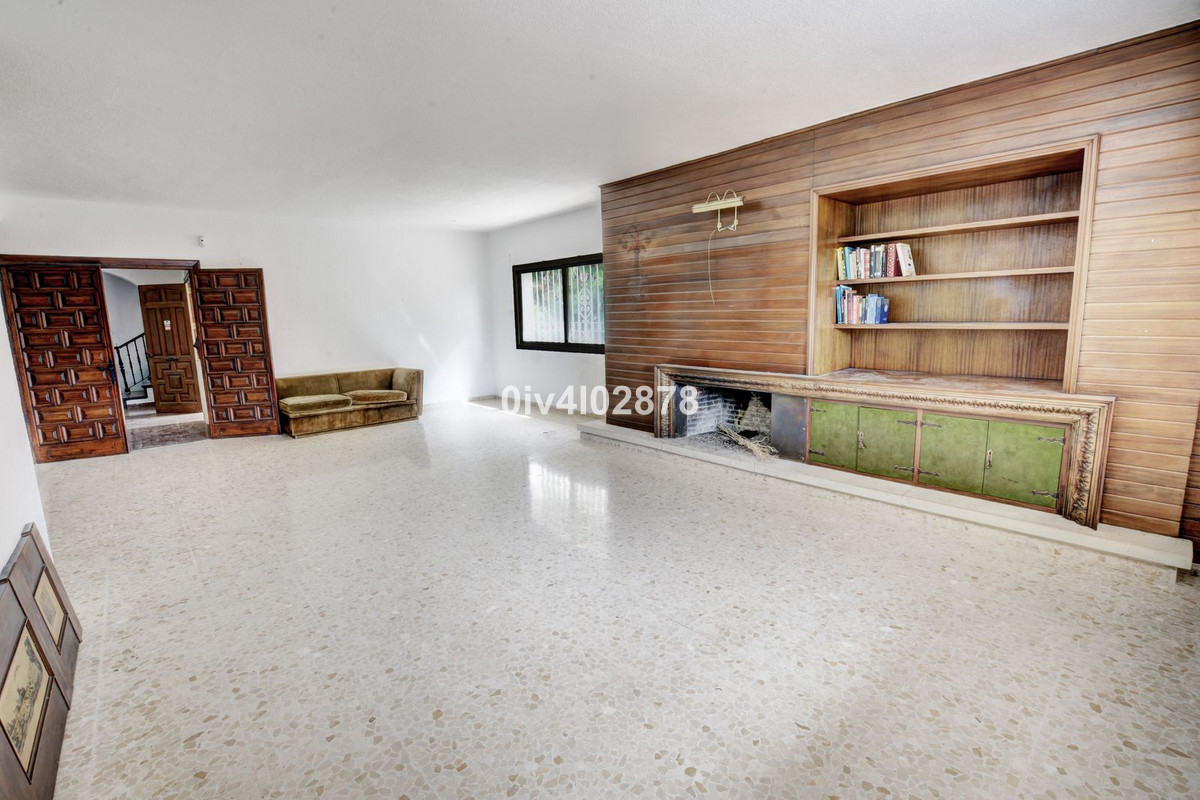
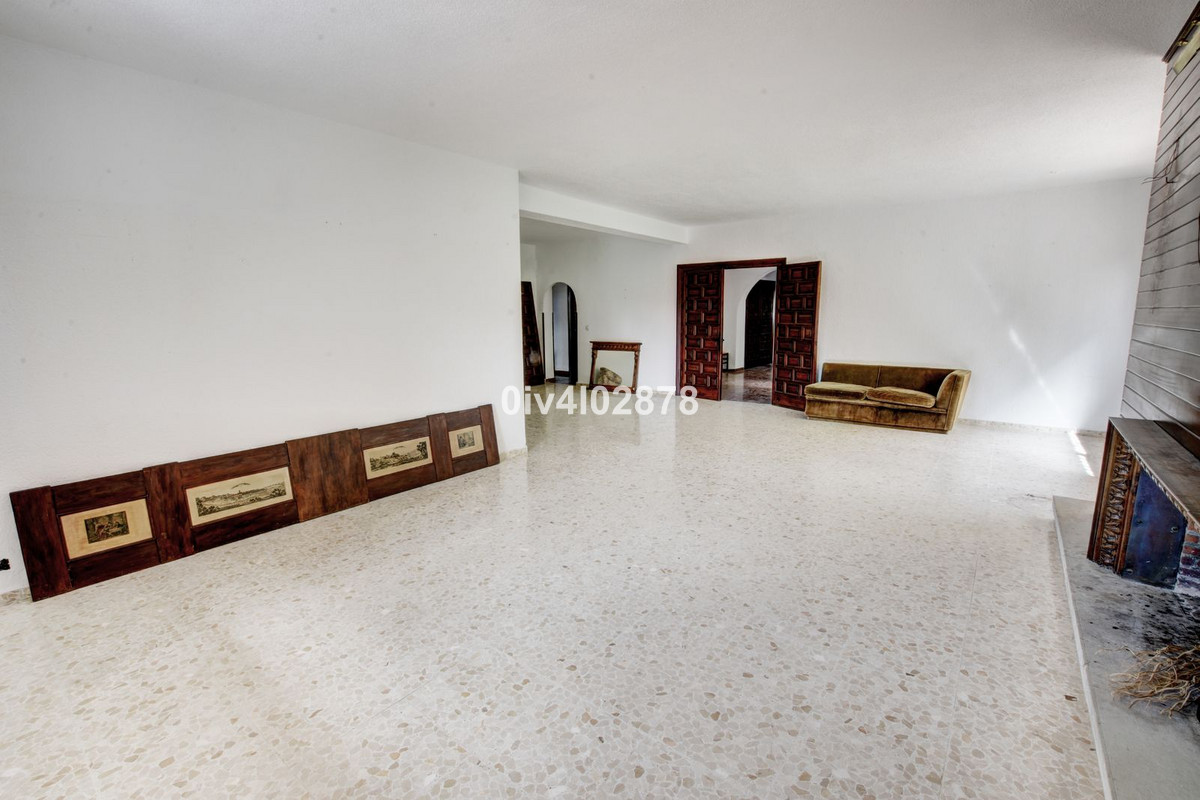
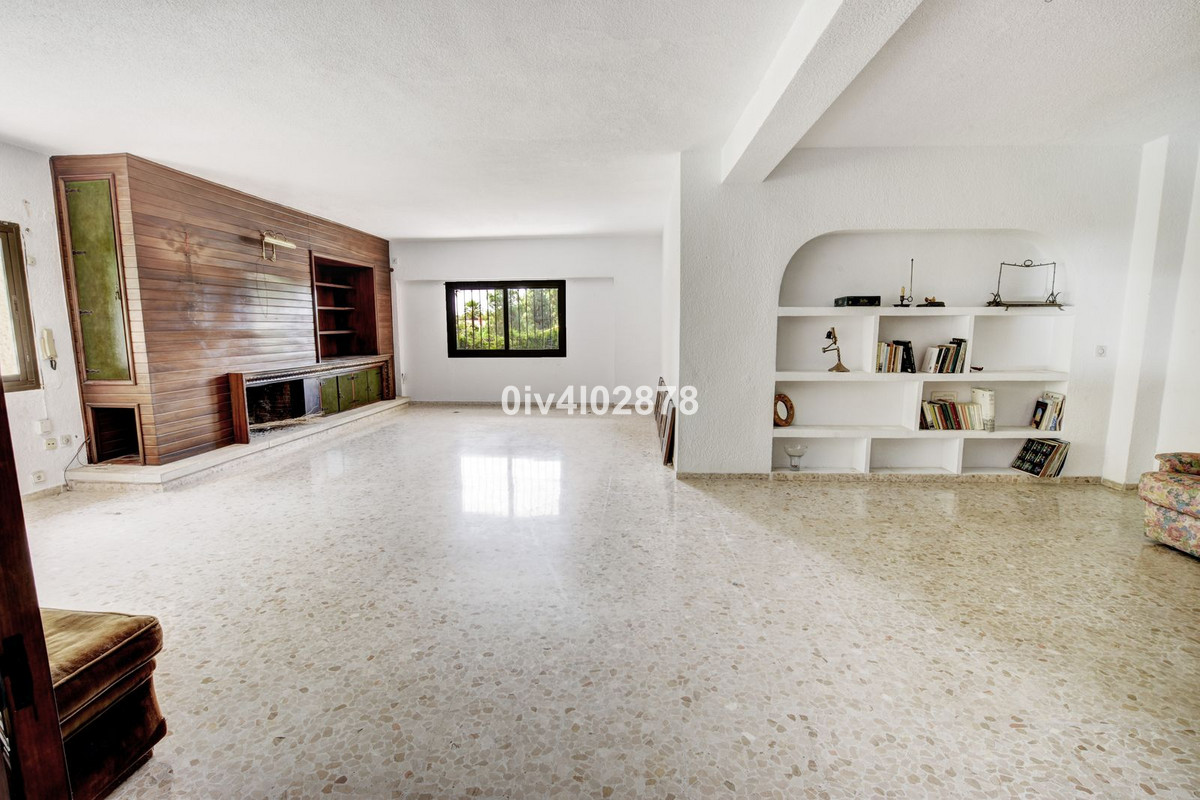
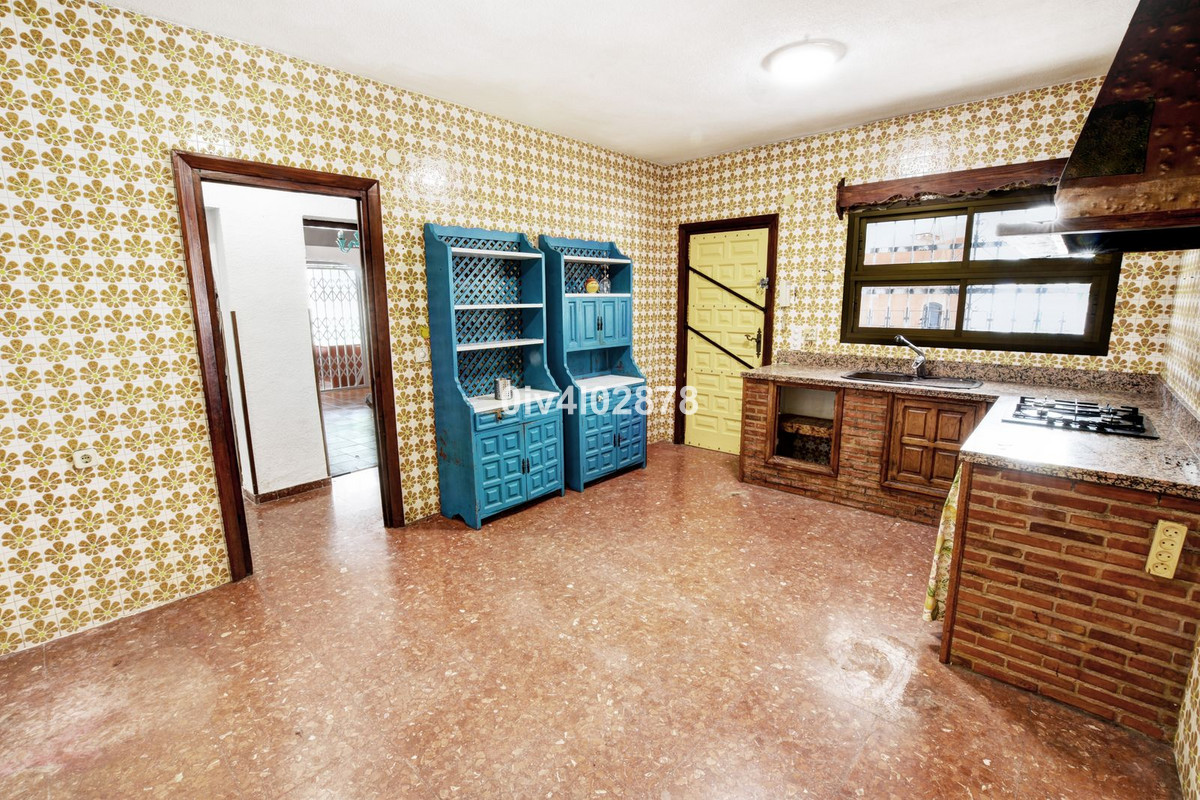
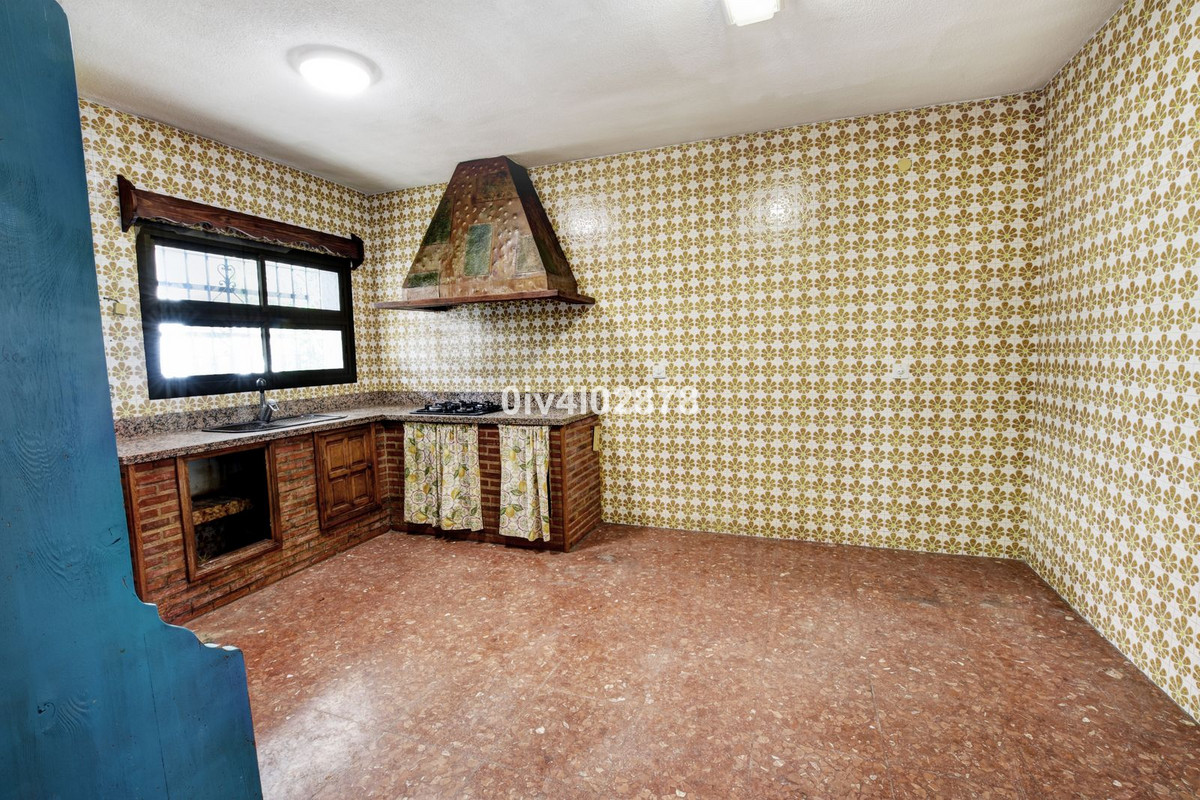
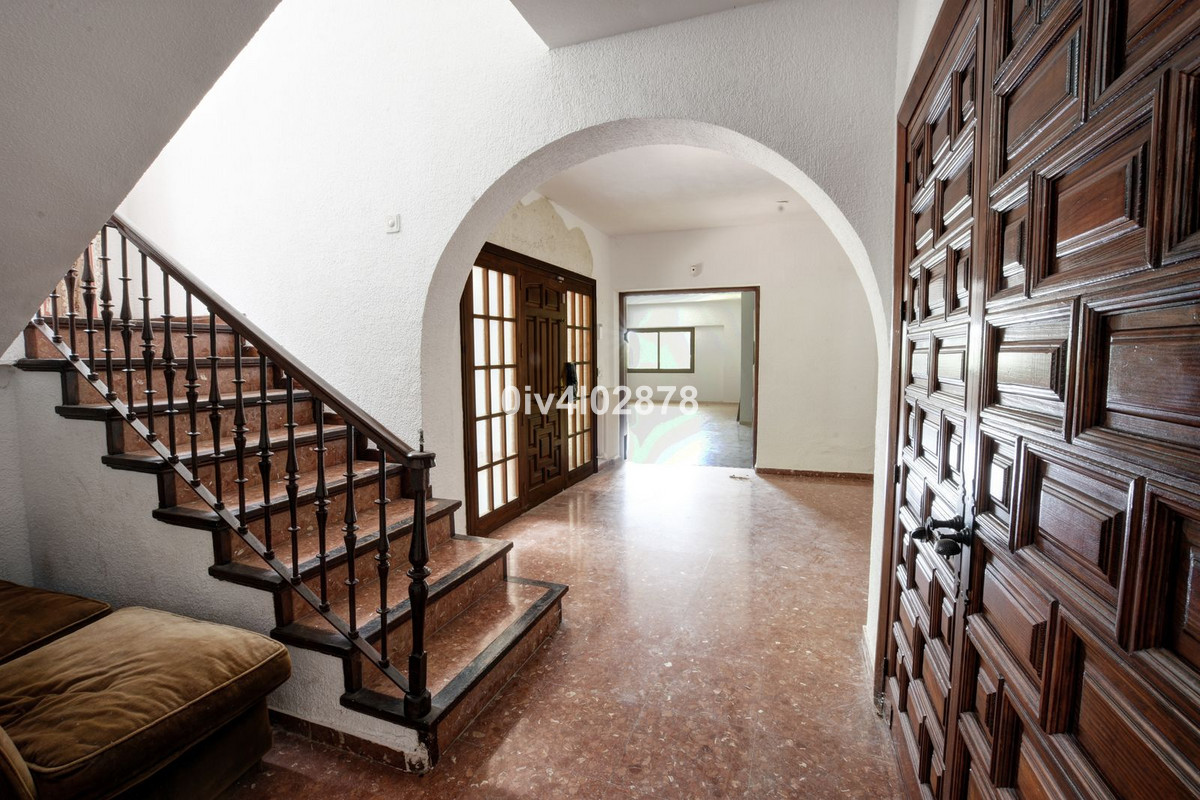
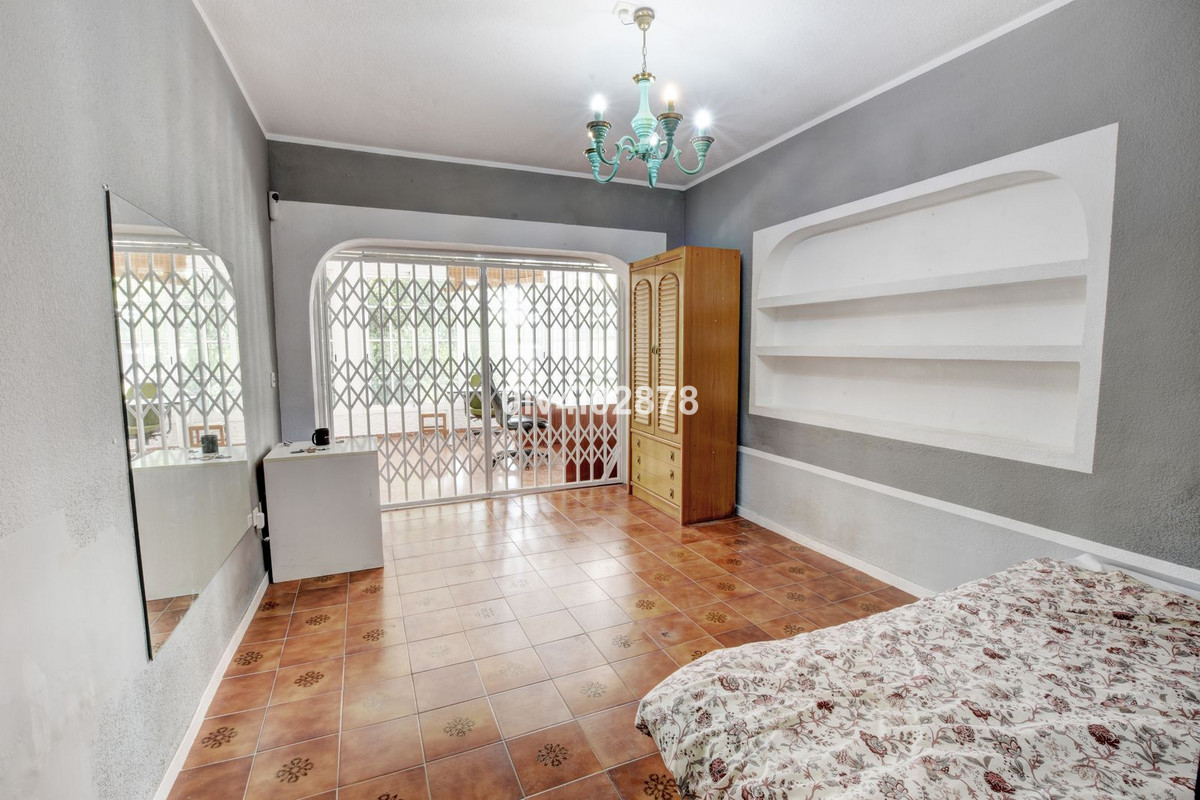
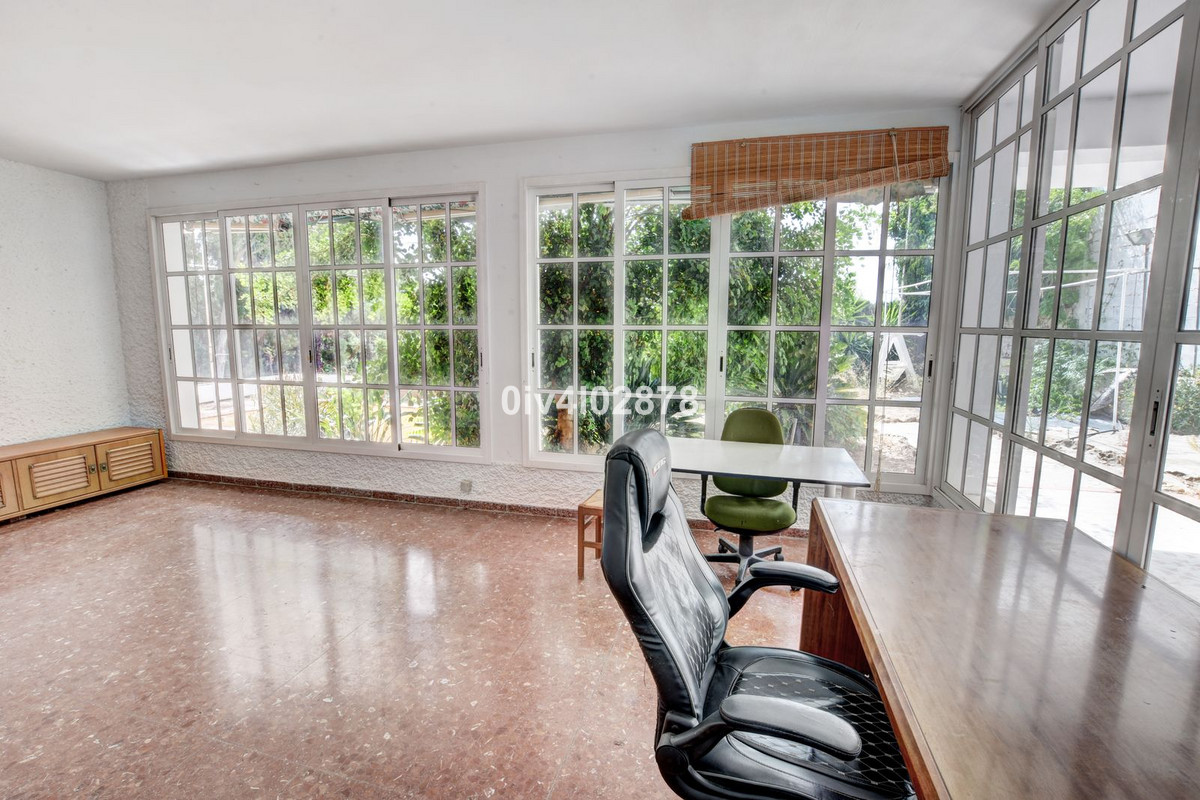
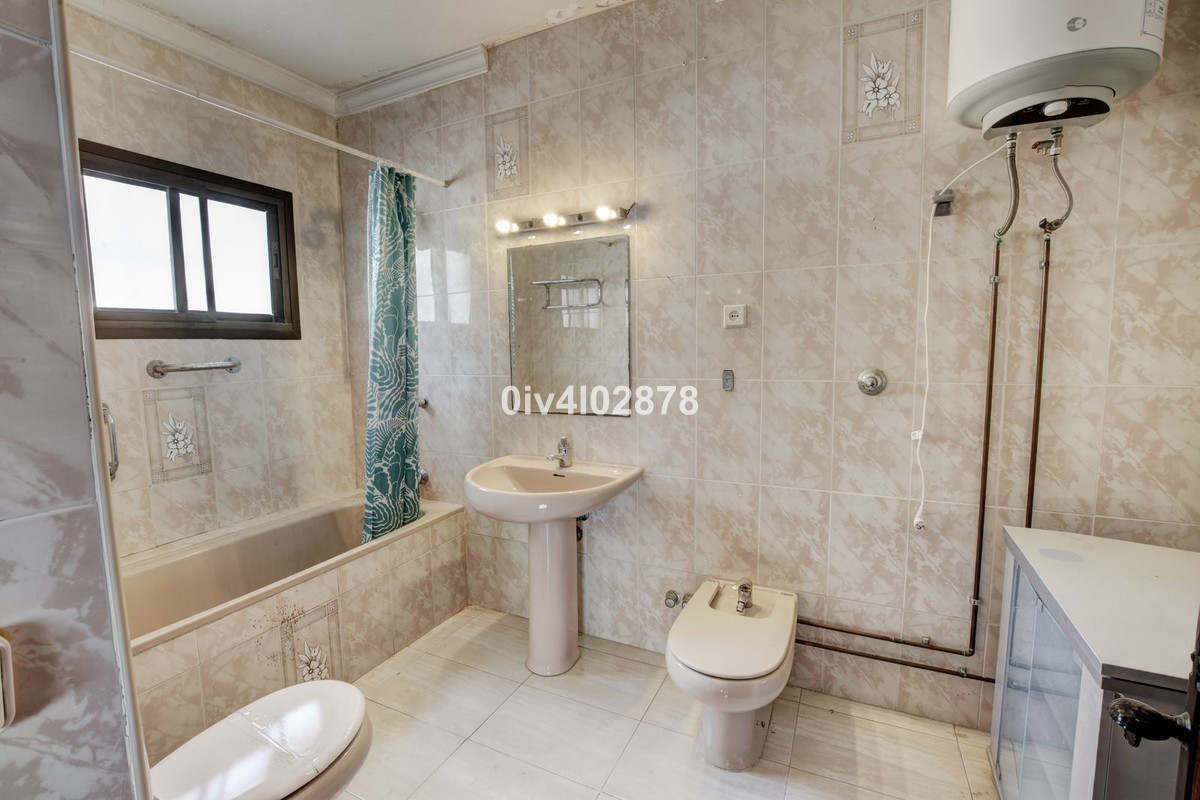
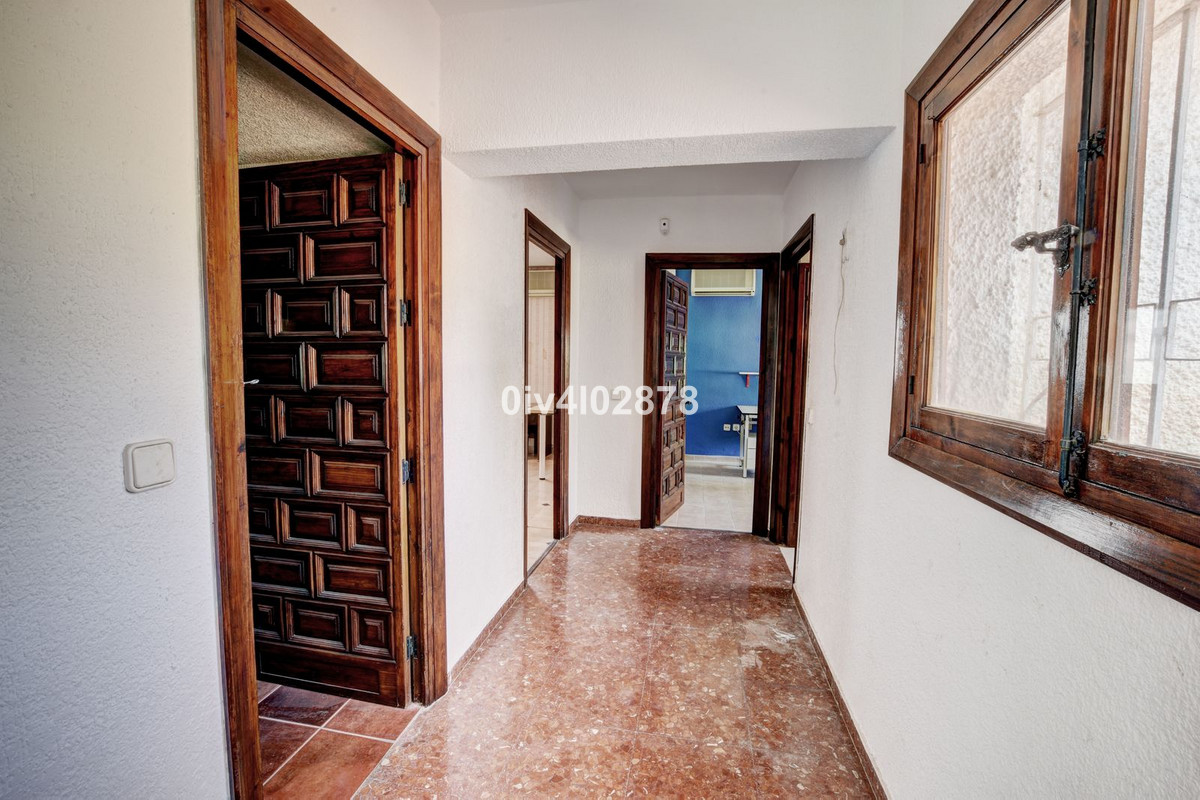
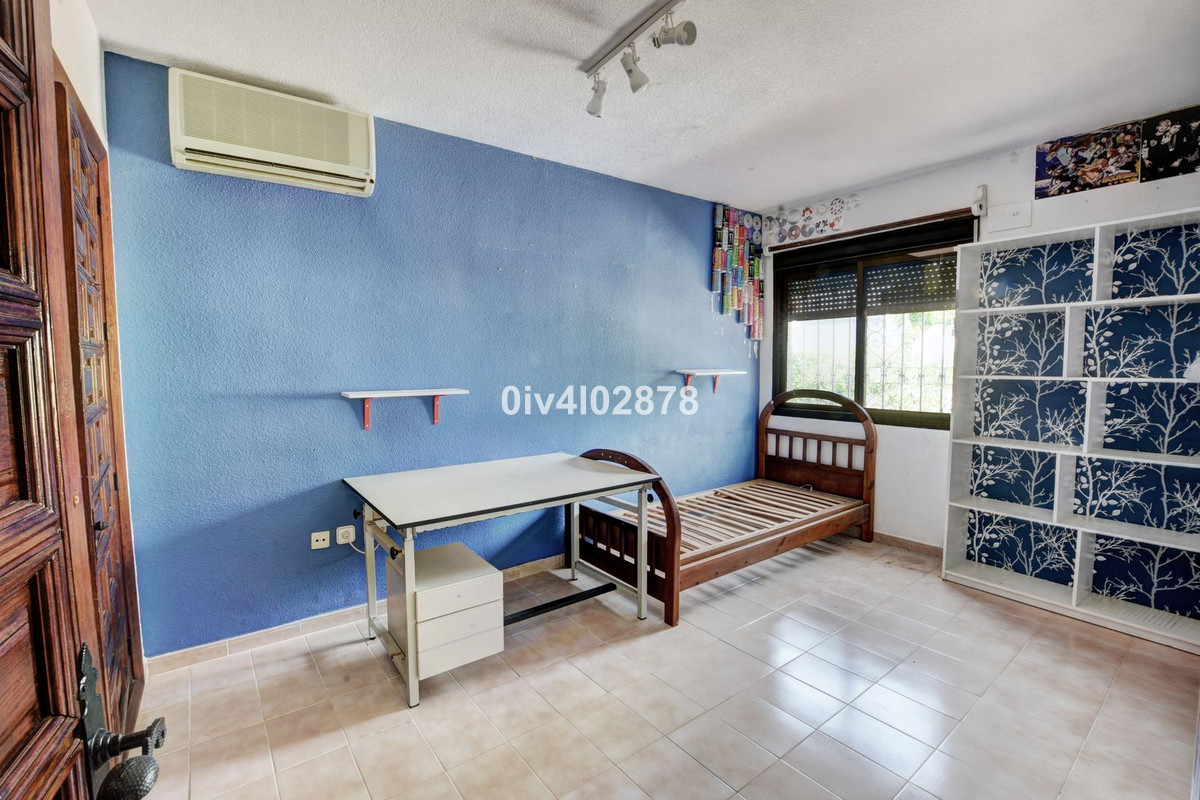
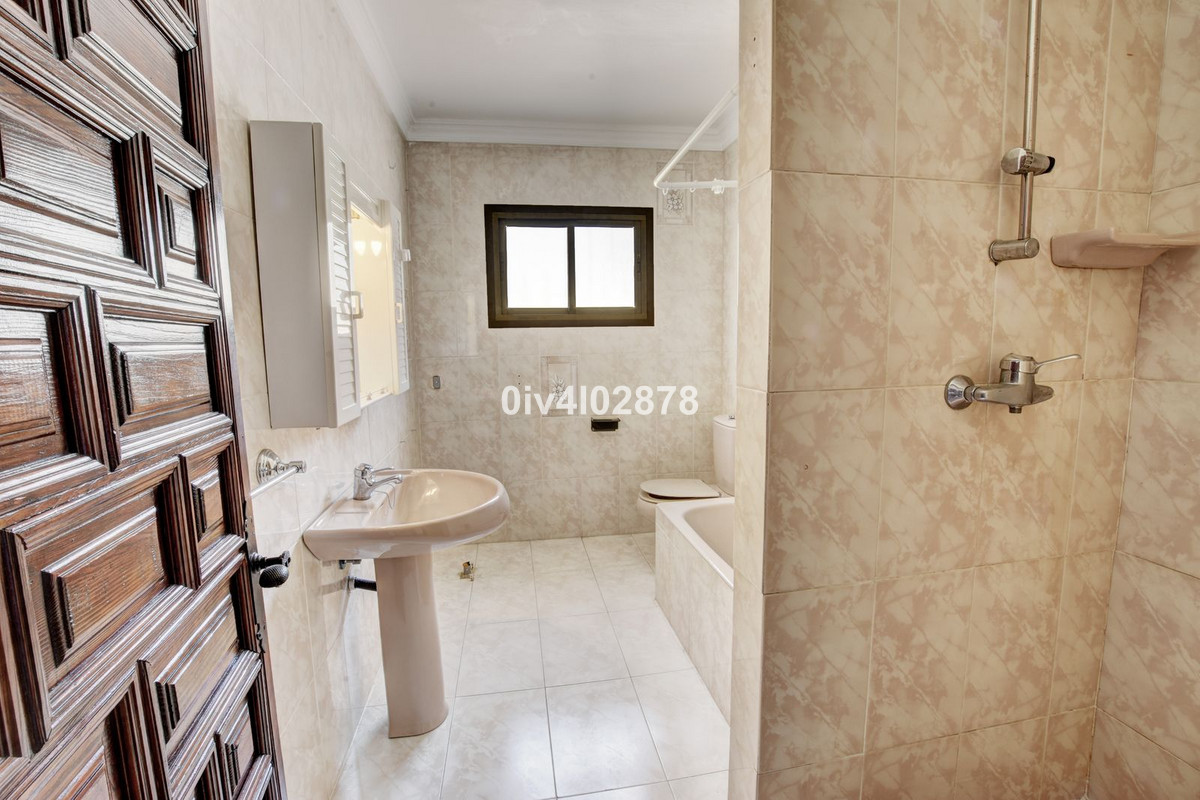
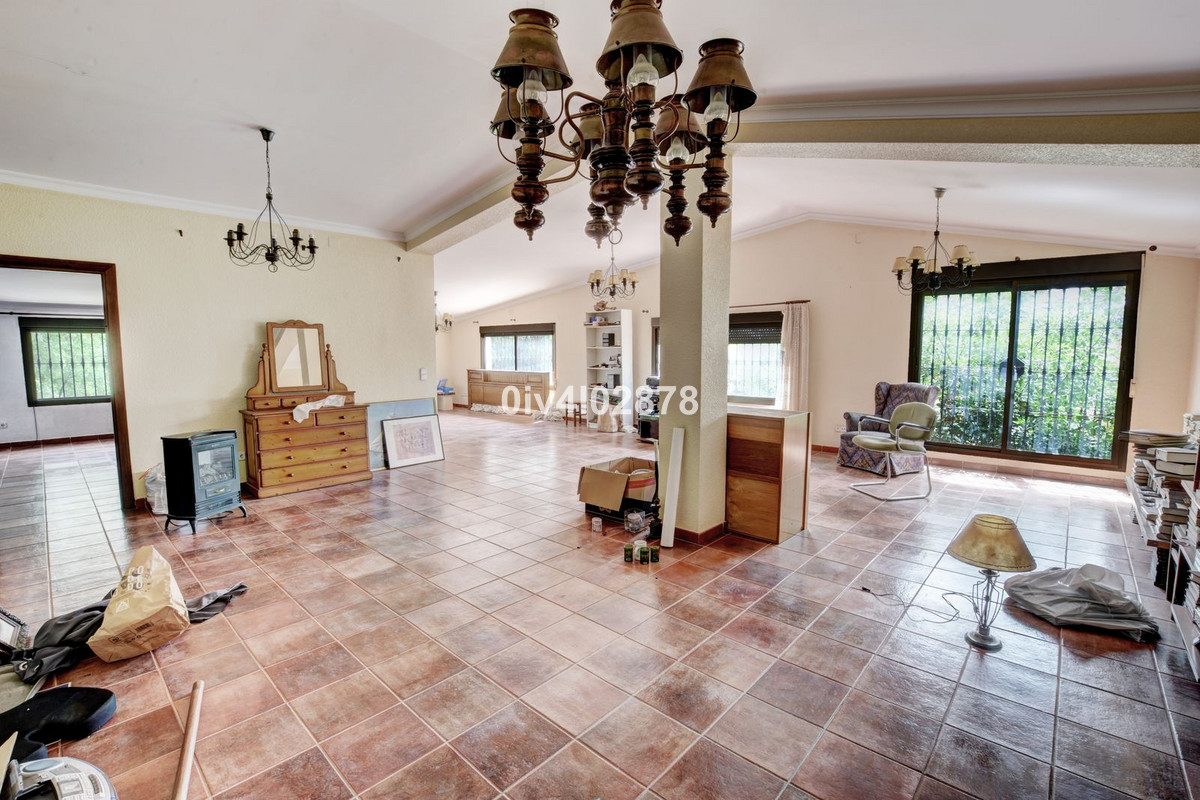
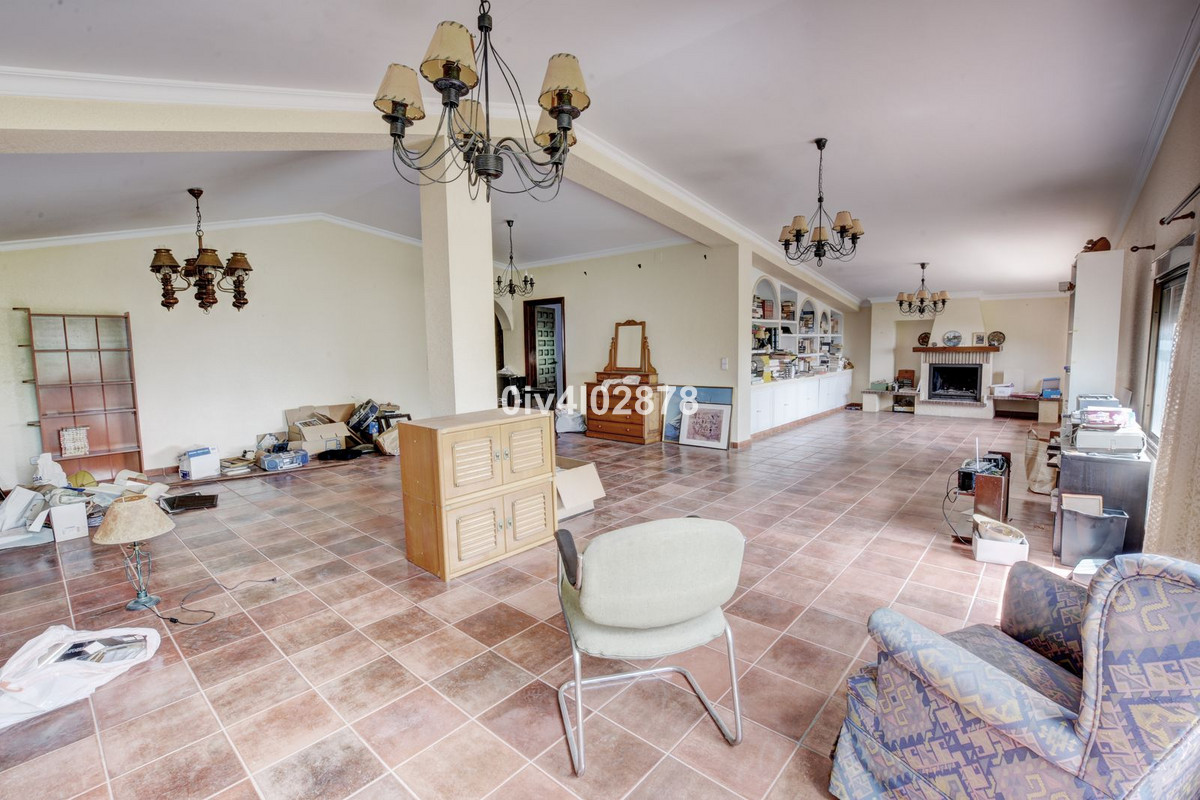
When moving, it may also be useful to register at the local city office, that is, empadronamiento. In practice, this facilitates handling many everyday administrative matters. For people who want to first check whether life in southern Spain suits their work style, a long-term rental in Spain will be helpful.













Tax residence: when you start paying taxes in Spain
Having the right of residence in Spain does not automatically mean tax residence. These are two separate issues. Essentially, you can be considered a Spanish tax resident if you stay in the country for more than 183 days in a calendar year.
However, this is not the only criterion. It is also important where your main center of economic and personal interests is. Factors such as the place where you perform work, run a business, where your spouse and minor children reside, or where your assets and daily life are concentrated may be relevant.
A Spanish tax resident usually reports all their income in Spain. A non-resident mainly reports income earned in the territory of Spain. Therefore, it cannot be assumed that a stay shorter than 183 days always excludes tax obligations; the specific professional and personal situation is of great importance.
Before moving, it is worth familiarizing yourself with the rules regarding taxes in Spain and information about taxes for non-residents in Spain. In cross-border matters, especially with income from Poland or other countries, individual consultation is definitely the safest solution.
Digital nomad visa in practice (for your relatives or collaborators from outside the EU): requirements and process
For non-EU persons, the digital nomad visa Spain requires preparing documents confirming stable, remote professional activity. The applicant should usually show that the company they cooperate with has been operating for at least a year, and their professional relationship with it has lasted for a specified time.
Documents confirming appropriate qualifications are also needed: a university diploma or documented professional experience and regular income. The minimum income level for the main applicant is linked to 200% of the Spanish minimum wage and changes with its update. For a family, the required threshold increases.
The application usually includes, among others, a passport, employer’s or clients’ documents, employment contract or contracts, confirmation of the possibility of working from Spain, a certificate of no criminal record, private health insurance, and financial documents. Foreign documents may require an apostille and sworn translation into Spanish.
The application can be submitted at the Spanish consulate in the country of legal residence or – in certain cases – during legal stay already in Spain.
Taxes of visa holders
The visa itself does not automatically determine the tax status. If its holder meets the tax residence conditions, they will be subject to Spanish tax rules, including generally being taxed on worldwide income.
For some people, a special tax regime for those coming to Spain, commonly known as the Beckham regime, may be attractive. Upon meeting conditions, it allows taxation according to rules similar to those applied to non-residents for a specified time. The regime does not work automatically, is linked to specific criteria, and a deadline for submitting the application, so it should not be assumed that it will be available to every freelancer or remote worker.
Why Costa del Sol is a good place for remote work
Remote work Costa del Sol allows you to combine professional productivity with living in a place that offers over 300 sunny days a year, access to beaches, mountains, sports, and an international community. Malaga has well-developed air connections, and the region offers fiber optic connections, coworking spaces, cafes friendly to laptop work, and a wide range of apartments and houses.
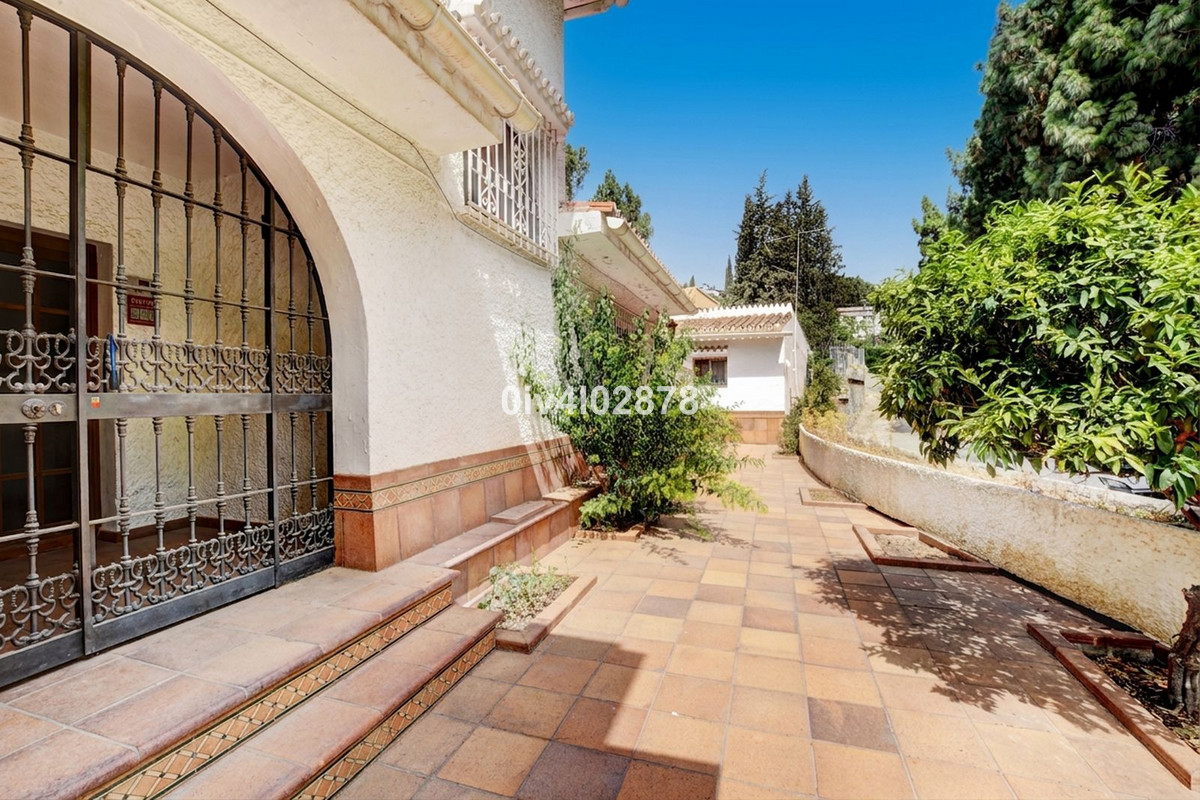
It is also a region that works well both for people living alone and for families. You can choose the dynamic center of Malaga, quieter seaside towns, or more intimate districts of Marbella. People considering a longer stay or buying a home will find a wide offer of properties in Malaga.
For many people, the comfort of everyday life: climate, cuisine, proximity to nature, and an international environment become as important as professional conditions. More inspiration can be found in the article: why it’s worth living in Spain.
FAQ
Does a Pole need a digital nomad visa to work remotely from Spain?
No. As an EU citizen, a Pole does not need the visado nómada digital. However, for stays longer than three months, they should register their residence.
How long can an EU citizen stay in Spain without formalities?
Up to three months. For longer stays, registration as an EU citizen living in Spain is required.
What registration document must a Pole living permanently in Spain obtain?
EU citizen registration certificate: Certificado de Registro de Ciudadano de la Unión, often called the green NIE certificate.
When do you become a Spanish tax resident?
Usually after exceeding 183 days of stay in Spain in a calendar year, but the center of life and economic interests is also important.
What income must be demonstrated for a digital nomad visa for non-EU persons?
As a rule, at least 200% of the current Spanish minimum wage for the main applicant. The amount changes with the minimum wage level.
Can my partner or family from outside the EU join me in Spain?
Yes, the regulations provide for the possibility of including family members in the application, but higher financial means and documents confirming family relationships must be demonstrated.
What is the Beckham tax regime?
It is a special, voluntary tax regime for persons moving to Spain who meet statutory conditions. It may allow taxation under different rules than the standard tax residence.
Is remote work from Costa del Sol comfortable in terms of internet and coworking spaces?
Yes. In Malaga, Marbella, and many towns in the region, fast internet is available, and the offer of coworking spaces and places friendly to remote work is wide.