Okupas in Spain: can they really take over your apartment?


The topic of okupas in Spain has sparked huge emotions for years, especially among people considering buying an apartment on the Costa del Sol. Stories regularly resurface on Polish internet forums about owners who step out of their homes for a moment, only to return and find strangers inside with nothing they can do because “48 hours have passed.” It sounds threatening, but the reality is much more complex.
What will you find in the article?
- What are okupas in Spain?
- Allanamiento de morada
- Does the “48-hour rule” really apply in Spain?
- Usurpación
- Okupas on the Costa del Sol: what do statistics say?
- What changed in the law in 2025–2026?
- Inquiokupas: a bigger problem than classic okupas?
- How to secure property in Spain?
- FAQ: most frequently asked questions about okupas in Spain
- Summary
The most important information is: no, the average owner of a well-maintained holiday apartment in Spain is not a typical victim of okupas. The problem exists but mainly concerns vacant properties, bank-owned properties, social housing, and abandoned buildings. Therefore, it is worth separating the media myth from the real risk, which we do in the latest episode of our Dream Property Talks podcast – Costa without filter.

What are okupas in Spain?
The term okupas refers to people who illegally occupy property. In practice, however, Spanish law distinguishes several completely different situations, and this division is crucial for owners.
The key concepts are:
- allanamiento de morada – violation of the sanctity of the home,
- usurpación – illegal occupation of a vacant property,
- inquiokupas – problem with a tenant who stops paying and refuses to move out.
These are not synonyms. Each of these situations is subject to different procedures and involves a different level of risk.
Allanamiento de morada
If someone breaks into a property that is actually used as a primary or secondary (holiday) home, we call it allanamiento de morada, i.e., violation of the sanctity of the home, which Spanish law treats very seriously.
In practice, this means that if you have a furnished apartment, regularly visit it, keep your belongings there, and use it as a second home, any unauthorized entry into it is a crime and is prosecutable. This is where the most popular myth collapses.
Does the “48-hour rule” really apply in Spain?
This is one of the most frequently repeated myths. In the podcast, we clearly say that there is no magical 48-hour rule in Spanish criminal law after which the owner loses the ability for quick reaction.
So where did this story come from? Most likely from old practices and police interpretations regarding situations where an assessment had to be made as to whether someone had already “settled” in an abandoned premises. The problem is that this message was later oversimplified and extended to all properties. That is not true. If a property that is someone’s home has been occupied, what counts is the character of the premises, not a fictional hourly counter.
Usurpación
The situation looks different when it concerns a vacant, abandoned or neglected property or one owned by a bank, fund, or a large owner with many premises. In such cases, we speak of usurpación.
This is exactly where most of the problems reported by the media arise. Such cases more often end up in court and can drag on for a long time. So when someone says “there are okupas in Spain,” you should immediately ask: what type of property are they talking about?
For an investor buying an apartment in Marbella, Estepona or Mijas, this distinction is fundamentally important. A private, well-kept apartment in a functioning estate is not the same as an abandoned place in a problematic neighborhood.
Featured Properties
See more


















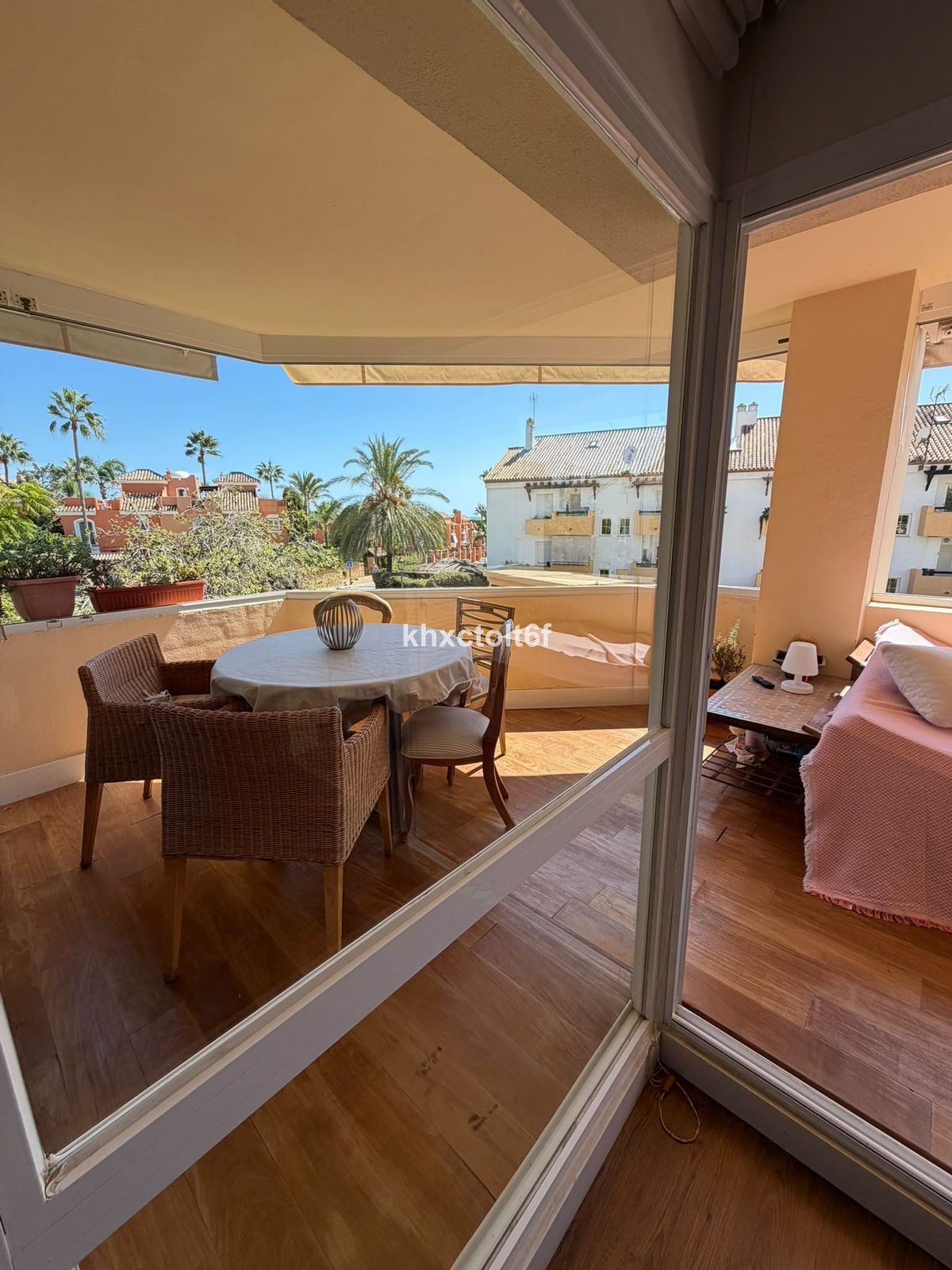
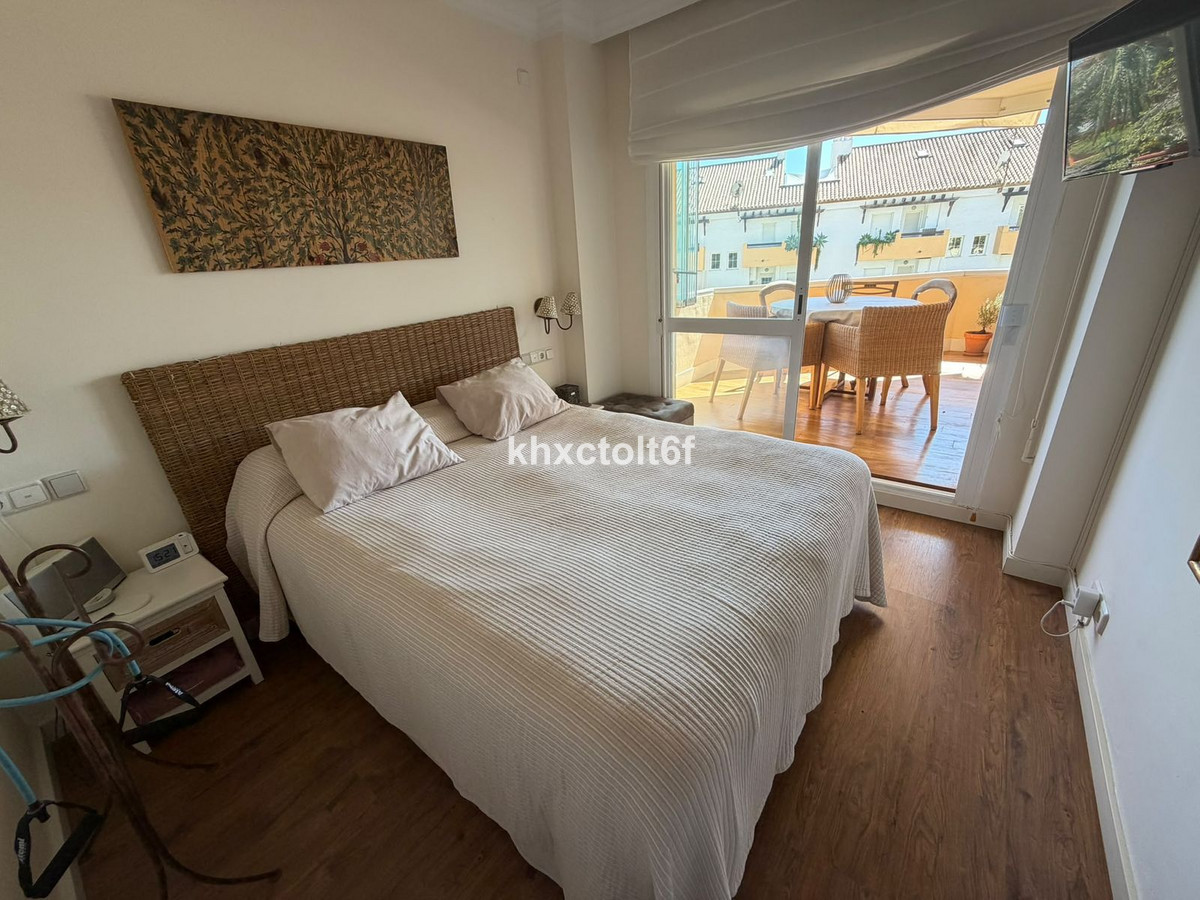
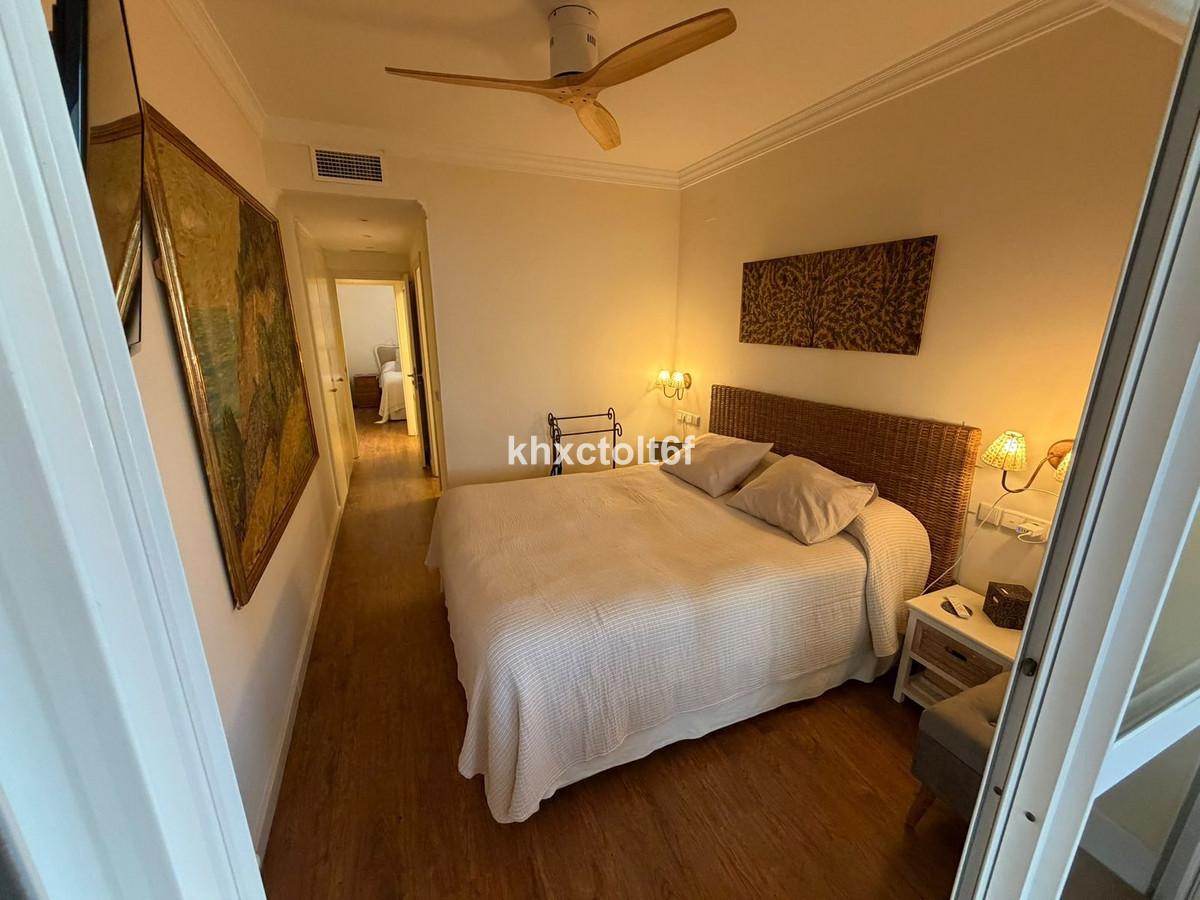
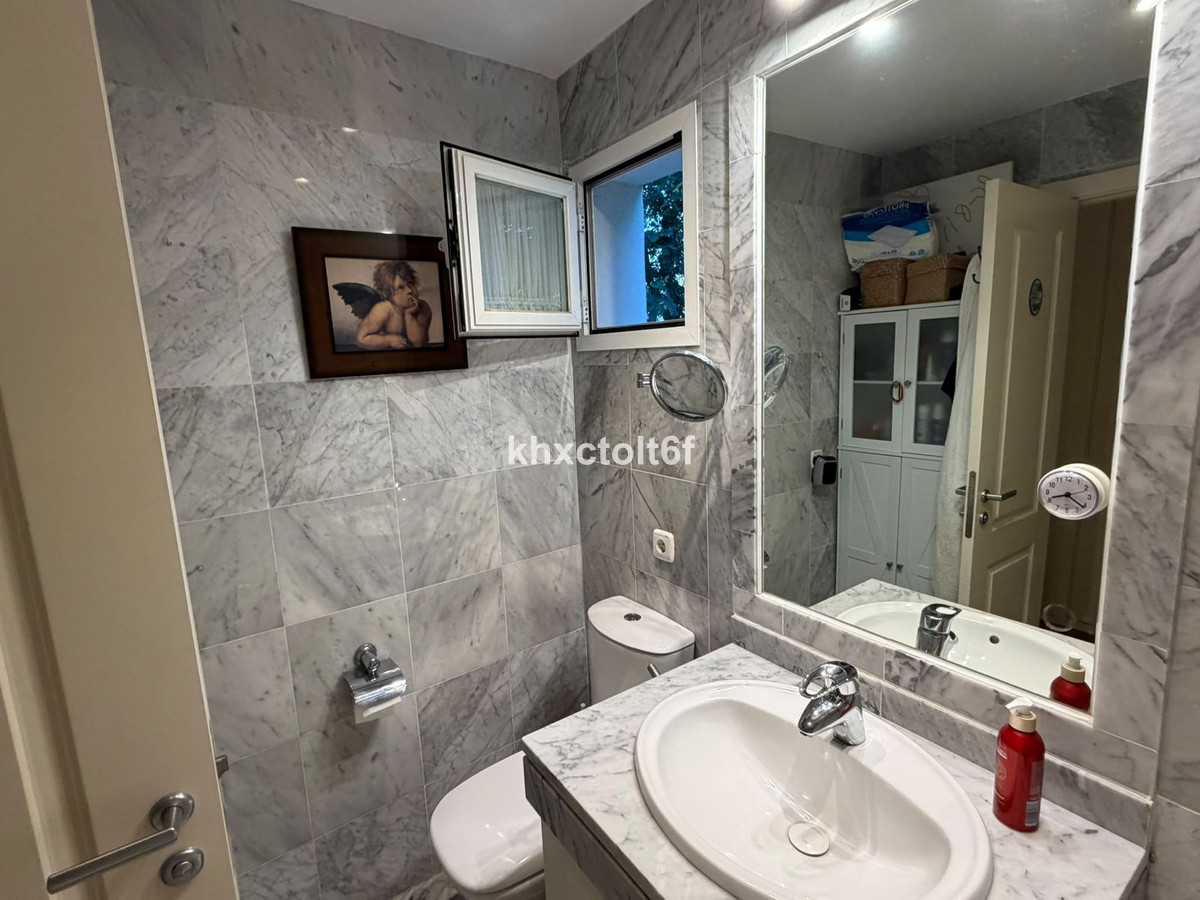












Okupas on the Costa del Sol: what do statistics say?
Numbers are the best way to control emotions. The podcast and the script provide very specific data: across all of Spain, on average about 15–17 thousand reports of illegal property occupation are filed annually. It sounds serious, but one must remember that we’re talking about a country with nearly 26 million homes and apartments.
In 2025, there were 14,875 reports, about 10% fewer than the previous year. Andalusia registered 1,909 cases, and the province of Malaga around 475. Considering that the province of Malaga has over 900 thousand homes and apartments, the number 475 cases (the vast majority of which concern bank-owned vacant properties and takeover of social housing on city outskirts) represents about 0.05% of the entire local real estate market. The risk that the average investor from Poland will be affected is statistically close to zero.
So it is clear that the phenomenon of okupas on the Costa del Sol exists but is exaggerated. The vast majority of cases do not concern private apartments bought by foreign owners, but rather vacant properties, public housing, and premises owned by large entities.
What changed in the law in 2025–2026?
In recent months, the topic has been taken much more seriously by Spanish institutions. In the podcast, we discuss the legal amendment from 2025 aimed at speeding up proceedings related to illegal occupation of properties.
In practice, this refers to so-called juicios rápidos, i.e., faster proceedings intended to shorten the time for owners to claim their rights. Such cases should be resolved within 15 days, although in practice timeframes are usually somewhat longer.
Additionally, in 2026 new proposals appeared to toughen the approach to illegal occupancy. The most important signal for the market is: Spain is not liberalizing its stance on okupas but is trying to tighten and regulate it.
Inquiokupas: a bigger problem than classic okupas?
For many owners, the answer is yes. “Inquiokupas” is a term used for tenants who entered the property legally, signed a contract, and then stopped paying rent and/or refuse to move out. This is an important distinction, as the media often lump all these situations together. Meanwhile, the problem of a non-paying tenant concerns the long-term rental market and often proves more troublesome than classic squatting. This is why tenant selection, a good contract, and appropriate insurance are so important for long-term rentals.
How to secure property in Spain?
The good news is that a sensible owner can greatly reduce the risk. In the podcast, we give several simple tips.
The most important actions are:
- choosing a good location and a reputable estate,
- installing an alarm,
- keeping in touch with neighbors or administration,
- avoiding leaving the property in a state that looks abandoned,
- for long-term rentals, purchasing insurance against non-payment of rent.
The Costa del Sol also benefits from year-round living. The region does not become deserted after the season, and the presence of neighbors, tourists, cleaning companies, and rental managers serves as a deterrent to potential okupas candidates.
FAQ: most frequently asked questions about okupas in Spain
Can okupas occupy my holiday apartment in Spain?
They can try, but if the property is actually used as a home, the owner’s legal situation is much stronger than media stories suggest.
Does the 48-hour rule really exist?
No. It is a myth, not a criminal law provision.
Where is the okupas problem the biggest?
Data discussed in the podcast indicate that 40% of all cases in Spain occur in Catalonia. On the Costa del Sol, the scale of the problem is definitely much lower.
Which is a bigger risk: okupas or inquiokupas?
For many long-term renting owners, inquiokupas—tenants who do not pay and refuse to move out—are a bigger problem.
Summary
The topic of okupas in Spain should be taken seriously, but without panic. If you buy a private apartment on the Costa del Sol, in a good location, in a functioning estate and take care of basic security measures, the risk is incomparably smaller than sensational headlines suggest.
The biggest mistake is lumping together violation of home sanctity, occupation of vacant property, and problems with non-paying tenants. Only understanding these differences allows a realistic assessment of risk and calm, informed investment decisions.
If you are thinking about buying property in Spain, it is worth relying on data, law, and market practice—not internet legends.