Is there a tourist tax in Spain?


This question is asked often. We hear it both from tourists and owners of rental apartments. The answer is: yes, but not everywhere. There is no single national tourist tax in Spain. Instead, there are local and regional fees (so-called tasa turística or impuesto turístico), introduced by individual autonomous communities or cities.
In practice, this means that the tourist tax in Spain is a collective term: different rules apply in Mallorca, different ones in Barcelona, and yet others… or rather none at all, on the Costa del Sol. When planning a trip or investment, it is therefore worth asking not only the general question of whether there is a tourist tax in Spain, but specifying: in which region and in what type of accommodation.
In 2026, the key point is that the tourist tax remains a regional phenomenon: it mainly covers the most heavily touristed destinations, such as Catalonia or the Balearic Islands. In Andalusia, including the Costa del Sol, it has not yet been introduced.
What will you find in the article?
In which regions of Spain is the tourist tax collected?
To properly understand the topic “Spain tourist tax 2026”, you need to go down to the regional level. Official decisions of authorities and current summaries indicate that:

- Catalonia: a regional tax on stays in tourist accommodations has been in effect for years (including Barcelona, Costa Brava, and Costa Dorada coasts). Rates vary depending on the type of accommodation and location (city / rest of the region).
- The Balearic Islands (Mallorca, Menorca, Ibiza, Formentera): there is so-called “ecotasa” (eco-tax), charged for each night spent in hotels, apartments, or campsites.
- Selected other regions/cities: some local governments (e.g., in the Basque Country) have introduced or are considering their own tourist stay fees, usually on a much smaller scale than in Catalonia and the Balearics. If you want to learn more about what taxes are paid in Spain, read the article on our blog.
Meanwhile, in Andalusia, despite heated public debates, as of 2026 no regional tourist tax has been introduced. For tourists and investors, this means that the tourist tax in Spain 2026 should be understood as a set of different local systems, and the Costa del Sol remains exempt.
How much is the tourist tax in Spain?
Tourist tax rates in Spain depend on the region, standard of the accommodation, and often also the season.
Generally:
- In Catalonia (e.g., Barcelona) the fee is charged per person per night, with higher rates for 4–5* hotels and tourist apartments. According to the “Tourist Tax Spain By Region” summary, rates reach several euros per night in premium accommodations in the region’s largest cities. The tourist tax in Barcelona is set to increase in 2026, with a potential maximum charge reaching even €15 per night in the most expensive accommodations (such as 5-star hotels), making it one of the highest in Europe. In tourist apartments (e.g., Airbnb) it will be up to €12.5 per night.
- On the Balearic Islands, the so-called ecotasa is also charged per person per night, usually higher during the high season and lower outside it. On Mallorca, ecotasa can range from €1 to €4.50 per person per day. From the 9th day onward, a 50% discount applies. The tax is paid by persons over 16 years of age. On Menorca, the tax amounts to €3.30 per person per day.
In many places, the following are adopted:
- a maximum number of nights subject to tax (e.g., only the first days of stay – see Mallorca example),
- exemptions or discounts for children and youth,
- lower rates outside of the season.
Key from the perspective of someone searching for phrases like “tourist tax Spain 2026” or “is there a tourist tax in Spain” is that there is no single national rate. You always have to check the specific autonomous community and the type of accommodation.
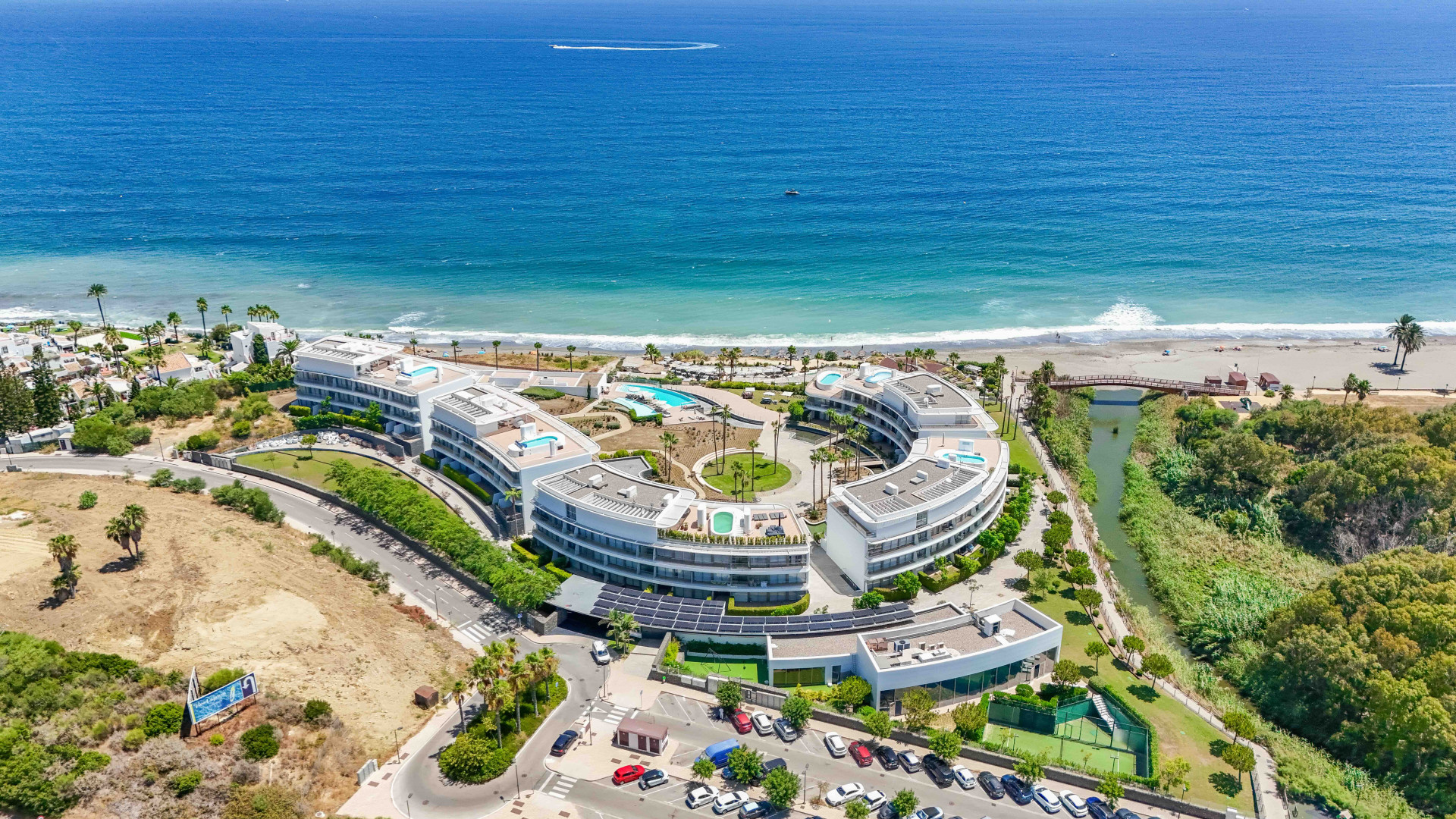
Good news for Costa del Sol lovers: Andalusia does not collect a tourist tax. This means that in 2026 it will not apply to stays in hotels and apartments in Malaga, Marbella, Estepona, or Torremolinos. The proposal to introduce such a fee triggered opposition from the hotel sector expressed by the AEHCOS associations.
Who is obliged to pay the tourist tax?
In the regions where the tourist tax applies in Spain in 2026, most often:
- the fee is charged per person, per night,
- it applies to persons staying in hotels, guesthouses, tourist apartments, holiday homes, campsites, and other holiday accommodation facilities,
- it is collected by the accommodation facility (hotel, apartment operator, campsite) and paid to the regional or city budget.
Usually, the formal obligation rests on the entity conducting the tourist activity, but practically the cost of the tax is borne by the guest, who pays a specific amount in addition to the accommodation bill.
So if:
- you run short-term rentals in a region subject to the fee, you must check local regulations (often at the municipal office or regional tourism authority website),
- you are planning a vacation and want to know the tourist tax in Spain, make sure to check in the search engine not only the country but the specific autonomous community and city.
In the context of Andalusia and the Costa del Sol (Malaga, Marbella, Estepona), it is important that until 2026 no tourist tax has been introduced. Discussions on this topic have taken place and likely will continue: some local governments of large cities favored a small night fee, but the Junta de Andalucía and the regional parliament did not pass the relevant law, as reported by, among others, El País, the ABC portal, and El Economista.
For investors and apartment owners on the Costa del Sol, this means that the tourist tax does not increase the cost of their guests’ stays, which remains a significant competitive advantage compared to Barcelona or the Balearics, where a tourist fee is standard.
Summary
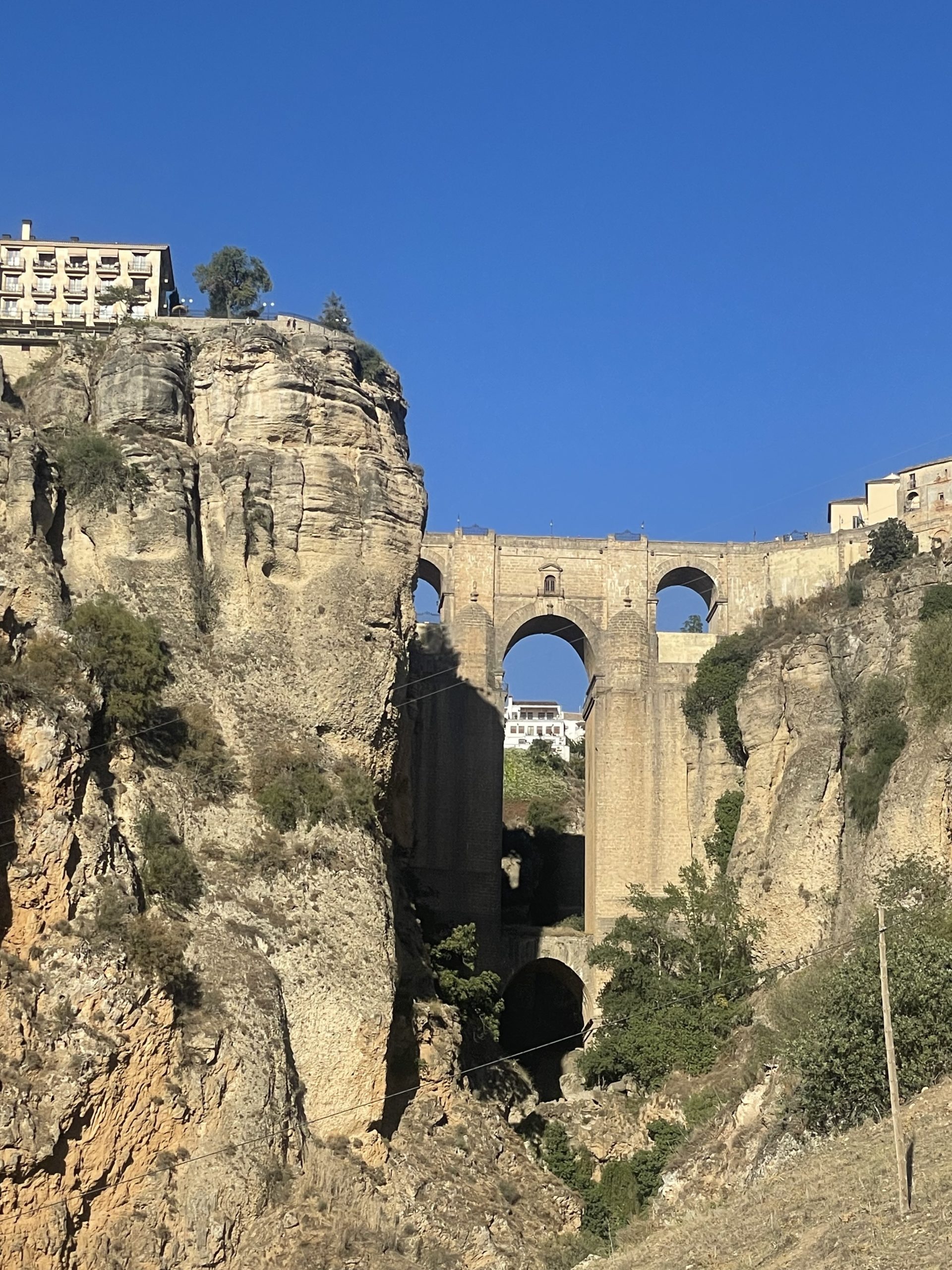
Is there a tourist tax in Spain? Yes, but only in selected regions, mainly in Catalonia and the Balearics, as well as in individual cities in other communities. Throughout Spain, however, the cadastral tax is mandatory.
Will you pay this tax in Andalusia and on the Costa del Sol in 2026? No, as of today the regional tourist tax does not apply here.
How high are the rates? It depends on the region, season, and type of accommodation; usually it is several euros per person per night, with limits on the number of nights and discounts for children.
It is always worth checking current rates and rules on regional authority websites or at your accommodation facility, as regulations can change.
If you are interested in the topic of taxes paid by non-residents in Spain, you will find more information on our blog.