Gibraltar and Schengen 2026: a historic breakthrough at the border and its significance for investors

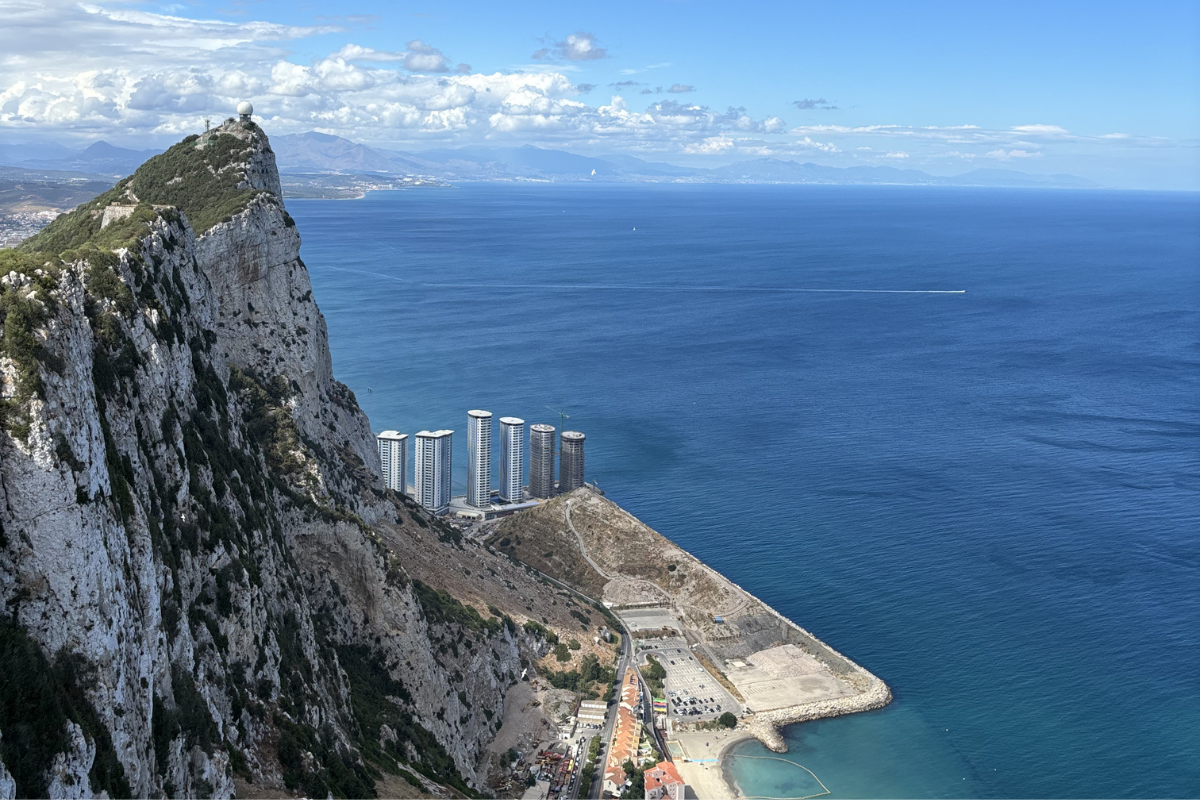
March 2026 will go down in history as the moment when the landscape of southern Spain changed significantly. After years of uncertainty, political wrangling, and complicated negotiations post-Brexit, the “Last Wall of Europe” begins to tremble at its foundations. The publication of a monumental treaty, nearly 1000 pages long, at the end of February 2026 triggered a cascade of events that are already affecting properties on the Costa del Sol and the daily lives of thousands of residents of the Campo de Gibraltar region.
We are witnesses to a process that experts compare to the border opening in 1985. If you are planning to buy a house in Spain or run a business here, March 2026 is the moment when you need to update your knowledge about the Campo de Gibraltar region.
What will you find in the article?
March 2026: where are we?
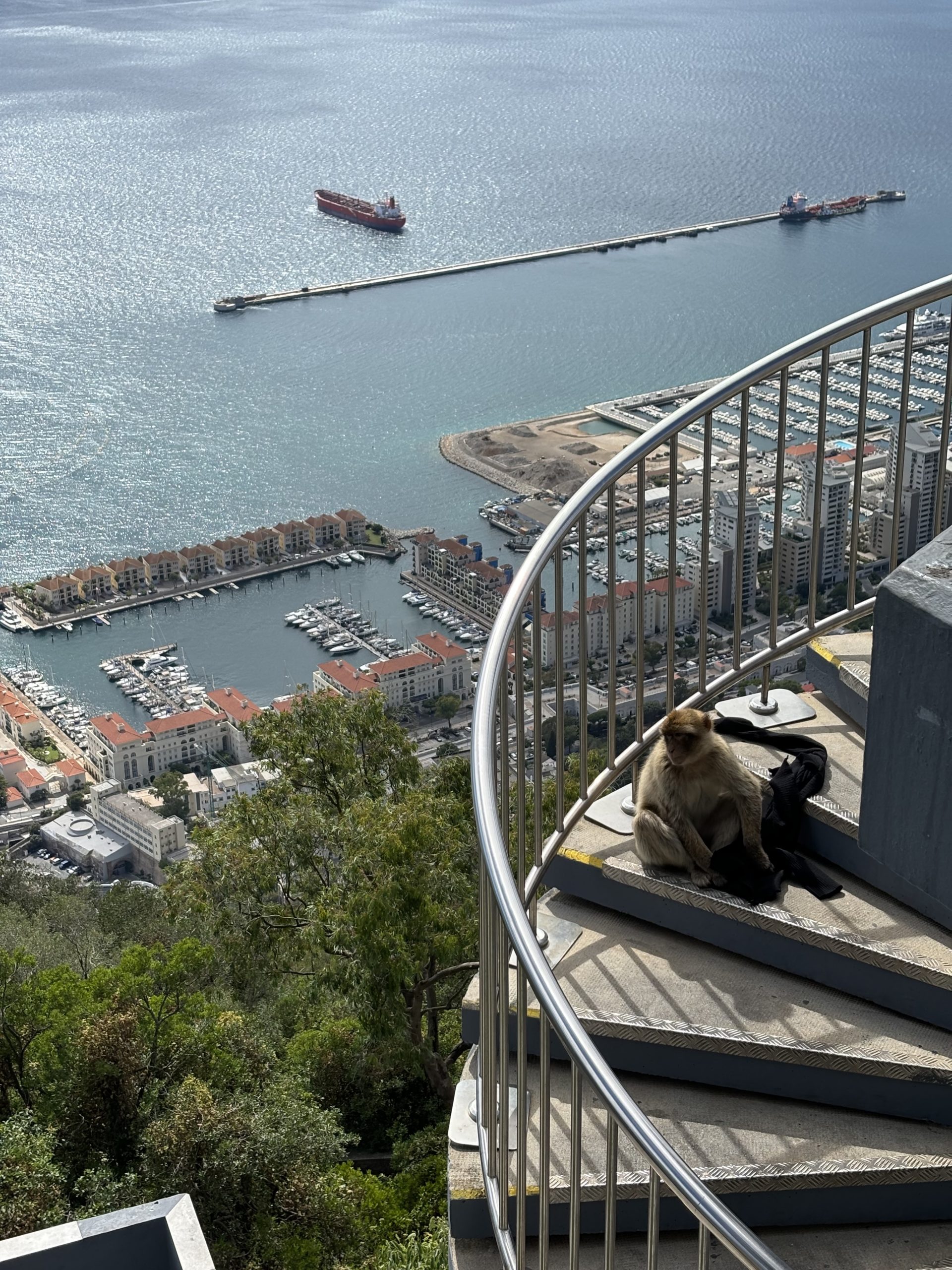
The most important event in recent weeks was the official publication of the full text of the agreement between the United Kingdom and the European Union (February 26, 2026). This document is a kind of “constitution” of the new Gibraltar, defining the principles of coexistence of the Rock with the EU for the coming decades.
What else happened in March?
- Police reform (RGP): On March 23, 2026, the Royal Gibraltar Police announced a rapid recruitment plan for additional officers. New security requirements for the port and airport enforce a constant presence of armed patrols at locations that will now become the external border of the Schengen zone.
- Investment offensive in La Línea: In March 2026, work began in the city directly bordering Gibraltar, worth €1.7 million (modernization of Zabal road). However, this is only the tip of the iceberg, as the entire infrastructure modernization plan for 2025-2026 amounts to more than €22 million.
- New General Plan (PGOU): La Línea received the green light for an ambitious revitalization plan. The “Reimagined” project plans to transform the city from a “border parking lot” into a modern, compact city with a renovated historical axis Plaza de Toros.
Key date: April 10, 2026
This is the planned date for the treaty to take effect and the launch of the EU’s EES (Entry/Exit System). What does this mean in practice?
- Abolition of “La Verja”: the physical removal of the border fence, which for decades divided families and hindered business, is strictly linked to the April date. Although the process was supposed to start earlier, logistics require full readiness of Schengen procedures at the airport.
- Control at the airport and port: the Spanish police (Policía Nacional), with the support of Frontex officers, will start handling passport controls directly at Gibraltar’s airport and port. This will be the so-called “second line” of control, working shoulder to shoulder with Gibraltar services.
- End of routine land border controls: from mid-April, crossing by car or on foot will take place without stopping for passport control, which will eliminate the already legendary traffic jams. Over 15,000 people who cross the border with Gibraltar daily will “regain” 1.5 hours of life each day, the time they used to spend in traffic jams.
Is this “full” Schengen? Important explanation
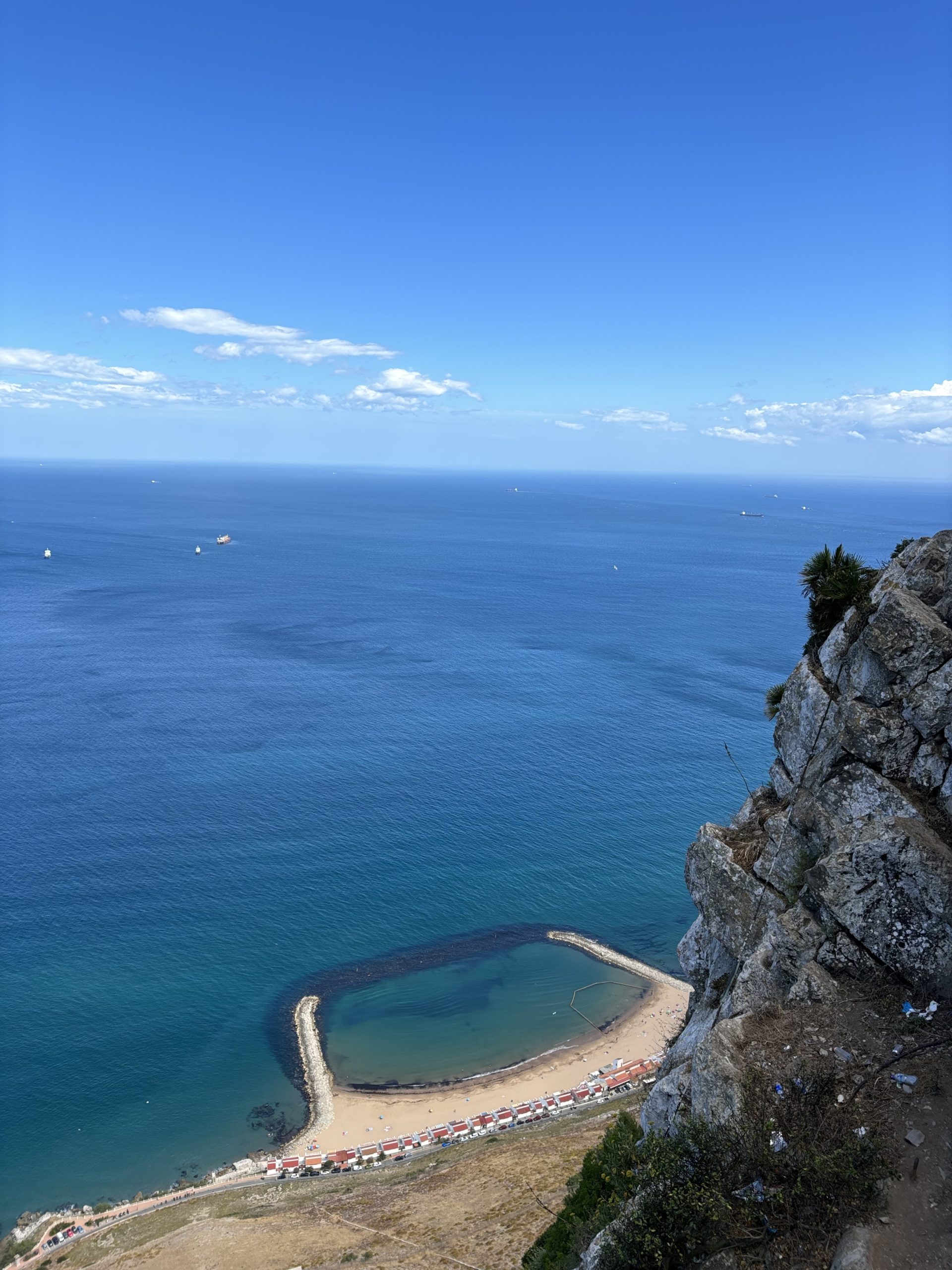
It is worth clarifying legal issues that often raise doubts among investors. Formally, Gibraltar is not joining the Schengen area nor the Customs Union. Instead, “The Rock” will apply Schengen rules at its external borders (port and airport). This clever solution allows for the removal of routine controls at the land border with Spain, while maintaining the specific status of the British territory.
Impact on the real estate market: where to look for opportunities?
The dynamic situation at the border fuels the real estate market. Investors who were waiting for the “signature on the treaty” have launched into buying. Which locations gain the most?
La Línea de la Concepción: a city in transformation
Thanks to the new PGOU plan and huge investments in infrastructure, La Línea is ceasing to be perceived as Gibraltar’s “poor neighbor.” The revitalization of Plaza de Toros and improved communication mean real estate prices, though still attractive, have begun to rise dynamically. It is currently one of the most interesting markets in terms of capital value growth.
Manilva and Casares: beneficiaries of fluidity
For people working in Gibraltar but living in Spain, the removal of border controls means regaining about 1.5 hours of life each day. This makes Manilva and Casares even more attractive as places to live. We expect continued growth in demand for long-term rentals here.
Estepona West: stable growth
Estepona, thanks to its modern infrastructure and high quality of life, remains a safe haven. The facilitation at the Gibraltar border only strengthens its position as an ideal place for digital nomads and management staff from the tech and finance sector from the Rock.
What to prepare for after April 10?
If you plan to visit the region after April 10, 2026, get ready for new rules. Forget about standing in line on land, but remember that if you arrive at Gibraltar airport from outside the Schengen zone (e.g., from London), you will undergo full passport control operated by Spanish authorities and Frontex.
For the real estate market on the Costa del Sol, this is a breakthrough moment. The integration of Gibraltar into the European space without land borders signals to the world that the Costa del Sol is becoming an even more cohesive, modern, and attractive region for investment.
Summary
History is happening before our eyes. March 2026 is a time of frantic preparations in La Línea and Gibraltar. It is the biggest change in the region for 40 years. If you want to know how to strategically approach purchasing real estate in light of the new Schengen rules, contact us.