Buying property in Spain: with your heart or your head?

This question comes up in almost every conversation with people considering buying property in Spain. Sometimes it is asked directly, and sometimes it appears between the lines, in hesitations, in haste, in sudden changes of decision. It usually resonates at the moment when emotions start to outrun the numbers or when the numbers completely overshadow what was supposed to be important in that purchase at all.
What will you find in the article?
Buying property is very rarely an exclusively rational decision. And that’s good. Spain attracts with its lifestyle, light, climate, sense of space, and promise of change. The problem is not in emotions; it begins only when the heart takes the wheel for the entire journey. Or when one tries to close this purchase exclusively within tables, simulations, and percentages.

Where emotions appear…
Emotions are visible almost from the first minutes. In admiration of the view, in the sentence “this is the place,” in decisions made faster than a question about real costs, legal restrictions, or long-term consequences can be asked.
It’s natural. Property is not a product like any other. It is a space where someone wants to spend time, return to, sometimes change their lifestyle rhythm. The view, light, silence, or the energy of the place can have a stronger effect than any analytical arguments.
However, emotions become a problem when they start to replace analysis. When aesthetics cover up facts. When decisions are made before a full picture appears: legal, financial, and usability. Then even a very good property can turn out to be a source of frustration over time instead of satisfaction.

…and where the “head” comes in
The other side of the coin is cold calculation. Numbers, return rates, value growth forecasts, simulations. All of this is necessary, but only when it relates to a real goal.
In practice, I often encounter situations where the decision “on paper” looks perfect, but in reality completely does not fit the person making it. Because buying property is not only a balance sheet of profits and losses. It is also the way of use, frequency of stays, transport accessibility, surroundings, everyday comfort, and flexibility for the future.
A property that works great as a short-term investment will not necessarily be a good choice for someone planning to spend several months of the year there. And vice versa: a place ideal for living will not always meet strictly investment expectations. Only by combining the “head” with the real context of use does the numbers gain meaning.
The most common mistake: starting with listings
Most misunderstandings come from one place: browsing listings without context. Without a clearly defined goal, without setting priorities, without talking about risks and limitations.

The offer itself solves nothing. It is only a tool. Only when embedded in a process does it start to matter. Otherwise, it becomes a list of random properties that are hard to compare and even harder to evaluate.
Without a process, it is easy to fall into a trap of comparisons based on area, price per meter, or brochure photos. And those are just fragments of reality. The key questions come only later, often too late.
Once you’ve defined the context, check this offer: ready apartments close to the beach in San Pedro.
Buying property: what the “head” should check before the heart says “yes”
It is not about taking away the joy of choice. It is about completing the picture. In practice, this means several simple but important points:
- the full cost structure (not only the purchase price, but also taxes, notarial and registration fees, maintenance and community costs),
- real usage restrictions (whether it can be rented out, under what conditions, what are the local and community requirements),
- legal status and documents (what is registered, what is “stated,” and what cannot be confirmed),
- logistics and everyday life: access, noise, exposure, seasonality of the area, access to services off-season.
These are elements not visible in photos. And they most often decide whether the property “works” over time.
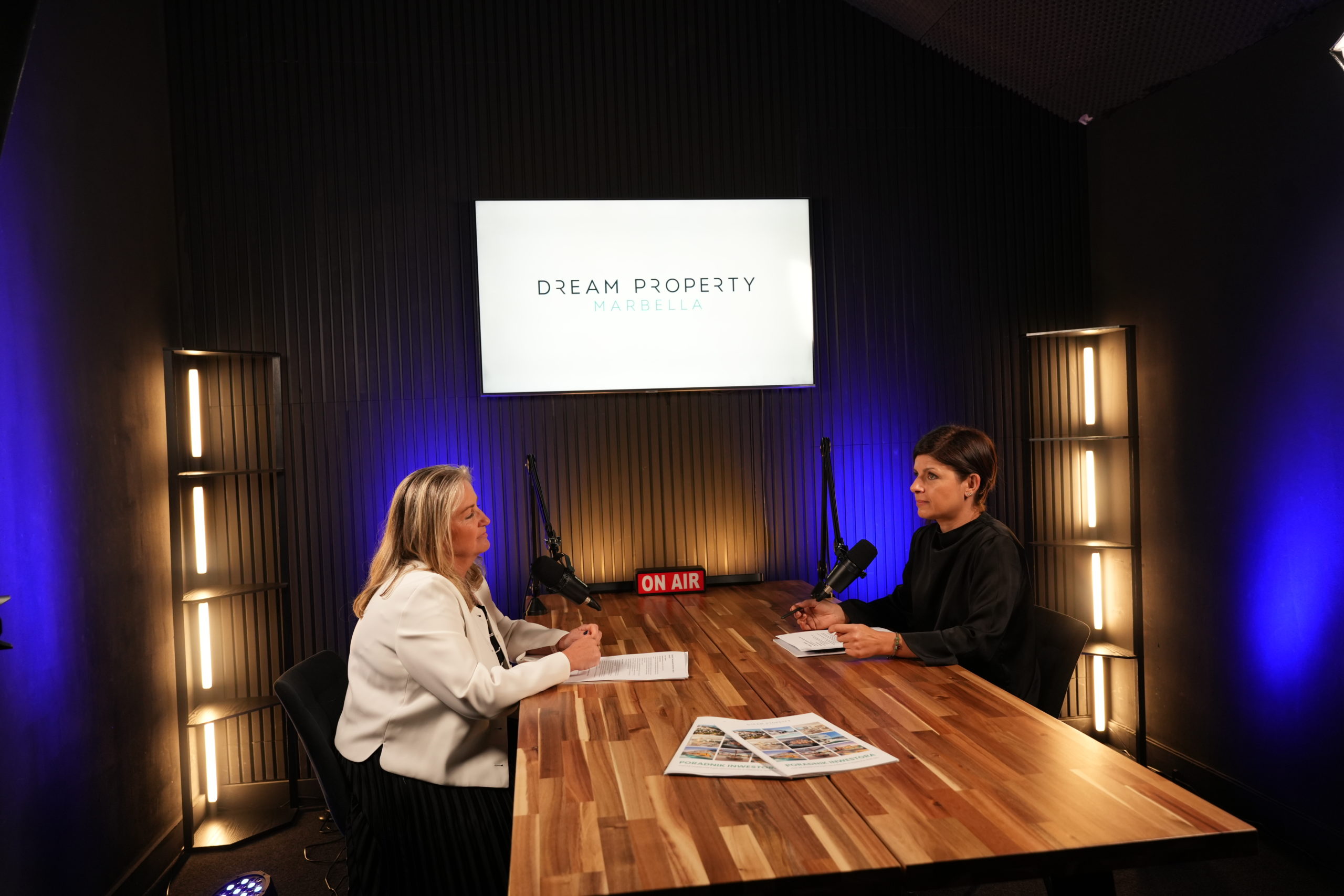
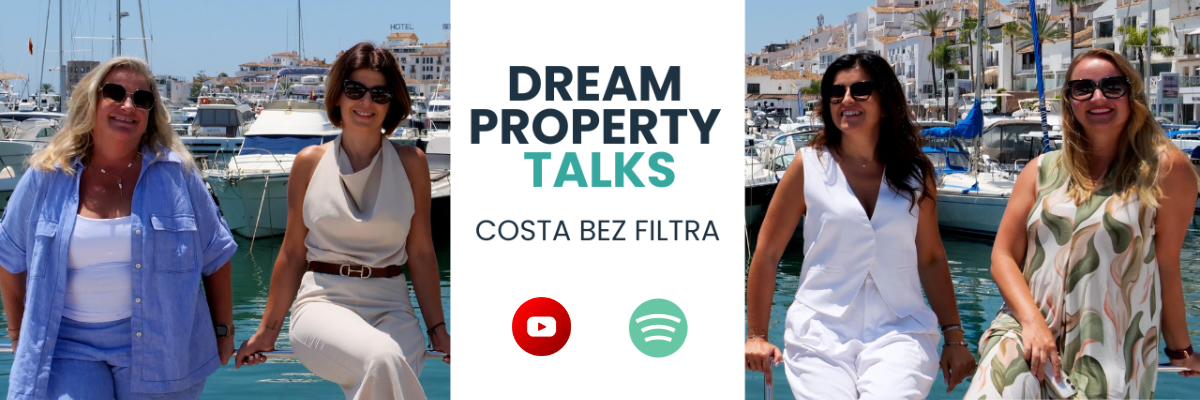
If you need help making a decision, watch or listen to the #2 episode of our podcast where Kasia Zielińska and I consider the age-old dilemma of investors: heart versus head.
Balance that really works
A well-conducted purchase process combines emotions with reason. It does not start with listings but from understanding motivation: why someone wants to buy property and what role it should play in their life or financial strategy.
Only on this basis can we conduct legal, financial, location, and usability analyses and check not only potentials but also limitations. This is a stage that organizes emotions instead of suppressing them.
The heart shows the direction. The head ensures the path to it is safe. If you need help making a decision, watch or listen to the #2 episode of our podcast where Kasia Zielińska and I consider the age-old dilemma of investors: heart versus head.
Summary
The best decisions are those that defend themselves not only on the day of signing the contract but also after years. When emotions settle, and the property starts functioning in real life. Therefore, buying property in Spain should be neither an impulse nor a purely theoretical exercise. It should be a process in which emotions are conscious, and numbers well understood.
In my work, I do not start with a list of listings but with a conversation. From context, goals, and real expectations. Because these decide whether the purchase will be a source of peace and satisfaction over time or problems that could have been foreseen much earlier.