Investing in real estate in Spain. What do you need to know in 2026?


Investing in Spanish real estate remains an attractive form of capital allocation – even during times when the economic and geopolitical situation requires buyers to be more cautious. However, the market in 2026 is more demanding than a few years ago: prices are rising rapidly, the supply of good properties remains limited, and purchasing decisions must be made based on a thorough analysis of location, financing, and real profitability.
What will you find in the article?
- Investing in real estate in Spain in 2026 – current market situation
- Remember! The purpose of investing in Spanish real estate is important
- Mortgage loans: what to expect in 2026
- Holiday rentals can still be profitable, but only with a good strategy
- Rental prices and investment profitability in 2026
- Remember! Investment in real estate must be profitable
- 3 important tips for people investing in real estate in Spain in 2026
The latest available data for Q2 2026 shows that the number of transactions has slightly weakened, but demand, especially foreign, remains strong. In Q2 2026, 167,934 residential transactions were recorded in Spain, which is 2.3% less than the previous year. At the same time, the share of foreign buyers reached 15.98%, and the number of purchases made by foreigners exceeded 26.8 thousand, an 11% increase over the previous year. This is an important signal for those considering investing in real estate in Spain, especially on the coast and in cities with an international character.
Holiday apartment rentals, long-term home rentals, purchasing property for personal use, or renovating an apartment with a view to later resale – investments in Spanish real estate continue to attract many foreign buyers. However, in 2026, it is no longer enough to buy “anything by the sea”. Today the key factors are the quality of the property, its legal status, rental potential, and location.
Investing in real estate in Spain in 2026 – current market situation
After very dynamic years 2021–2024, the market has entered a more mature phase. This does not mean a decline in interest in Spain but a change in conditions under which investors buy. The lower number of transactions results mainly from high prices, limited supply, and greater caution of clients using bank financing.
At the same time, property prices continue to rise. According to data from INE, in Q1 2026 apartment prices were on average 12.9% higher than a year earlier. Prices of used properties grew more sharply – by 13.5% year over year – which clearly illustrates the scale of limited supply of ready properties in attractive locations.
Notarial data also confirms this trend. In May 2026, the average price per square meter in notarized transactions rose by 8.8% year over year, to €2,049 per m², despite a drop in the number of transactions. Therefore, the market is not weak; it is simply more expensive, more selective, and demanding for buyers.
The problem of the insufficient number of ready-to-move-in properties, well-located and reasonably priced, is still noticeable. This particularly concerns attractive cities such as Malaga, Marbella, Valencia, or Barcelona, as well as popular tourist regions including Costa del Sol, Costa Blanca, and the Balearic Islands.
In practice, this means that good offers at fair prices still sell quickly. However, this is not a market where it is worth buying under the influence of emotions. In 2026, especially important are: documentation analysis, realistic property valuation, maintenance costs, and rental possibilities.
Remember! The purpose of investing in Spanish real estate is important
Not everyone buys an apartment or house in Spain solely for themselves. We can most often identify three main investment purposes:
- Rental – holiday, seasonal, long-term, or commercial. The advantage is the ability to generate regular income and, in the case of holiday rentals, also to use the property by the owner outside the season.
- House flipping – purchasing a property in need of refreshing or renovation, increasing its value, and later selling it. This model requires knowledge of the local market, costs of works, and a good team of contractors.
- Capital deposit – purchasing property as a long-term capital security and element of asset diversification.
The investment purpose determines the type of property and location. If you plan holiday rentals, it is worth analyzing places with strong tourist traffic such as Costa del Sol, Costa Blanca, or Costa Brava. If the goal is purchase, renovation, and resale, cities like Malaga, Valencia, Madrid, Barcelona, or urban areas undergoing revitalization may have greater potential.
Mortgage loans: what to expect in 2026
A foreigner may apply for a mortgage in Spain provided they present appropriate financial documentation. Banks primarily analyze income, employment or business stability, credit history, amount of own contribution, and the ratio of installment to income.
Generally, banks do not impose restrictions solely based on the client’s nationality. However, it should be remembered that non-residents usually can count on financing at approximately 60–70% of the property’s value, while residents may receive higher financing. Banks generally do not finance transaction costs, which must be covered from own funds.
In 2026, it is especially important to carefully compare offers. The cost of a loan remains a significant element of investment calculation, and mortgage interest rates depend both on the current Euribor level and the individual bank offer. It is worth starting financing with credit capacity analysis before choosing a specific property.
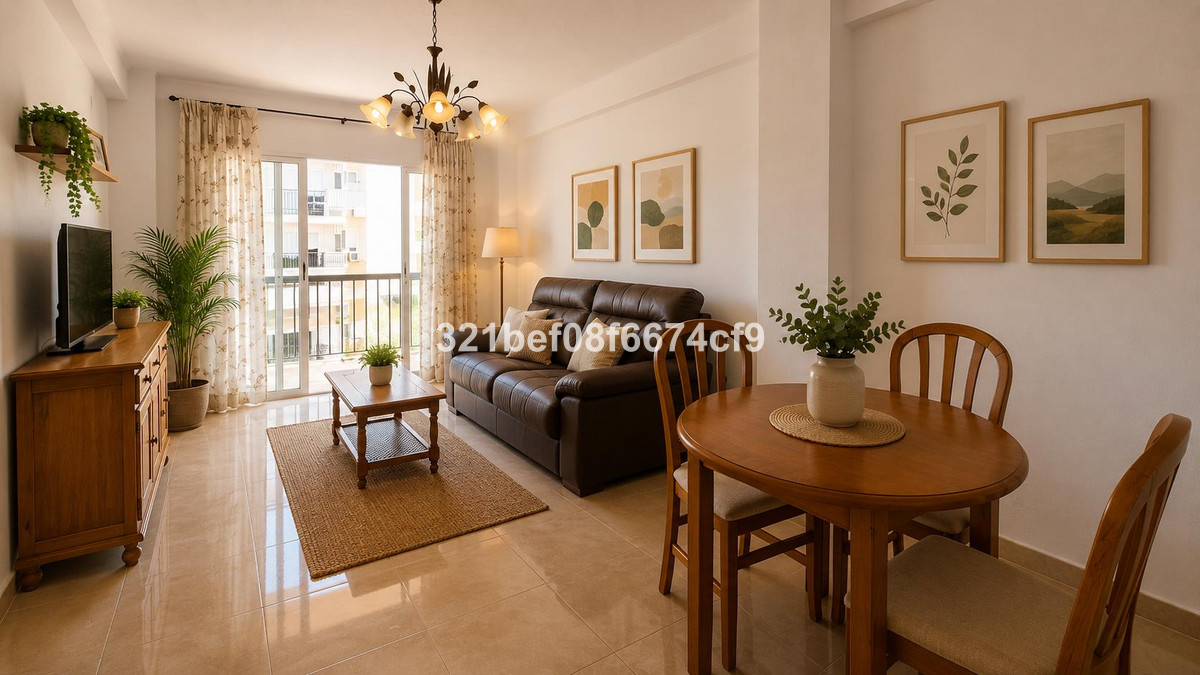
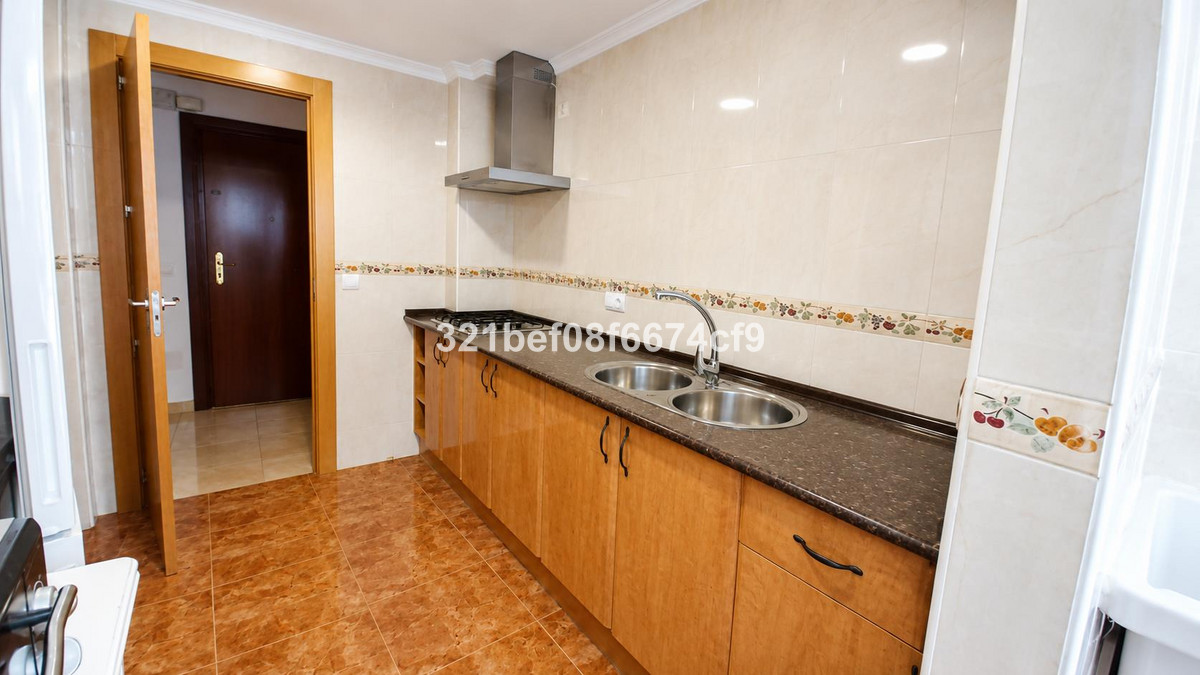
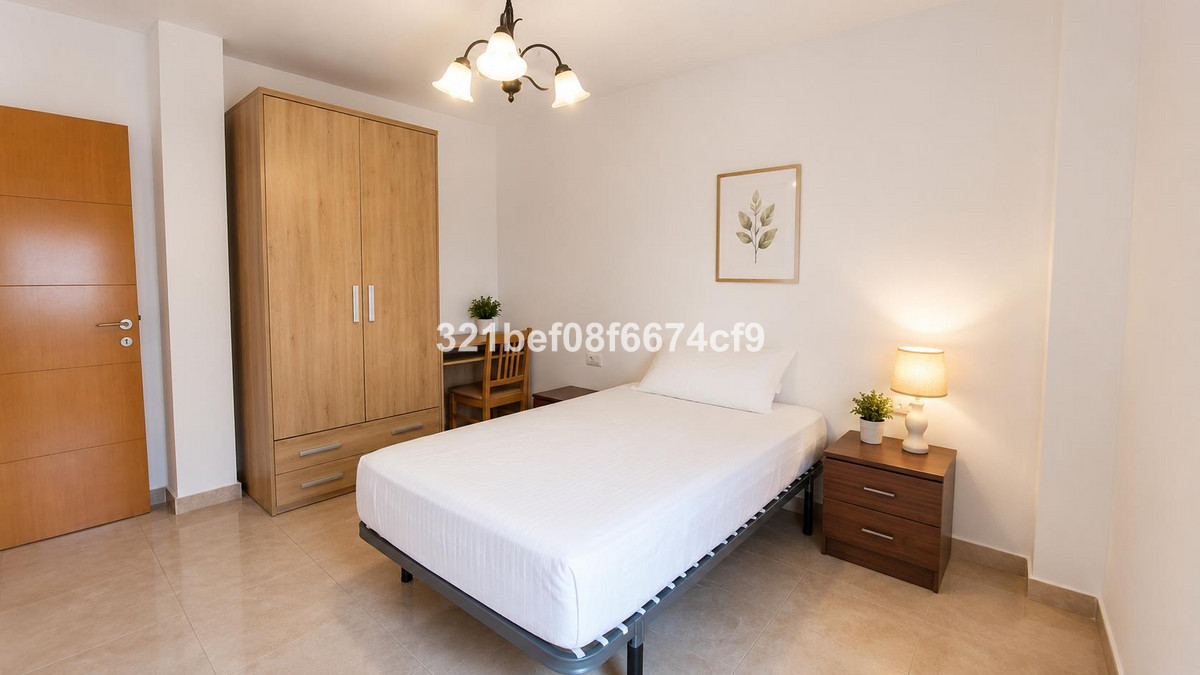
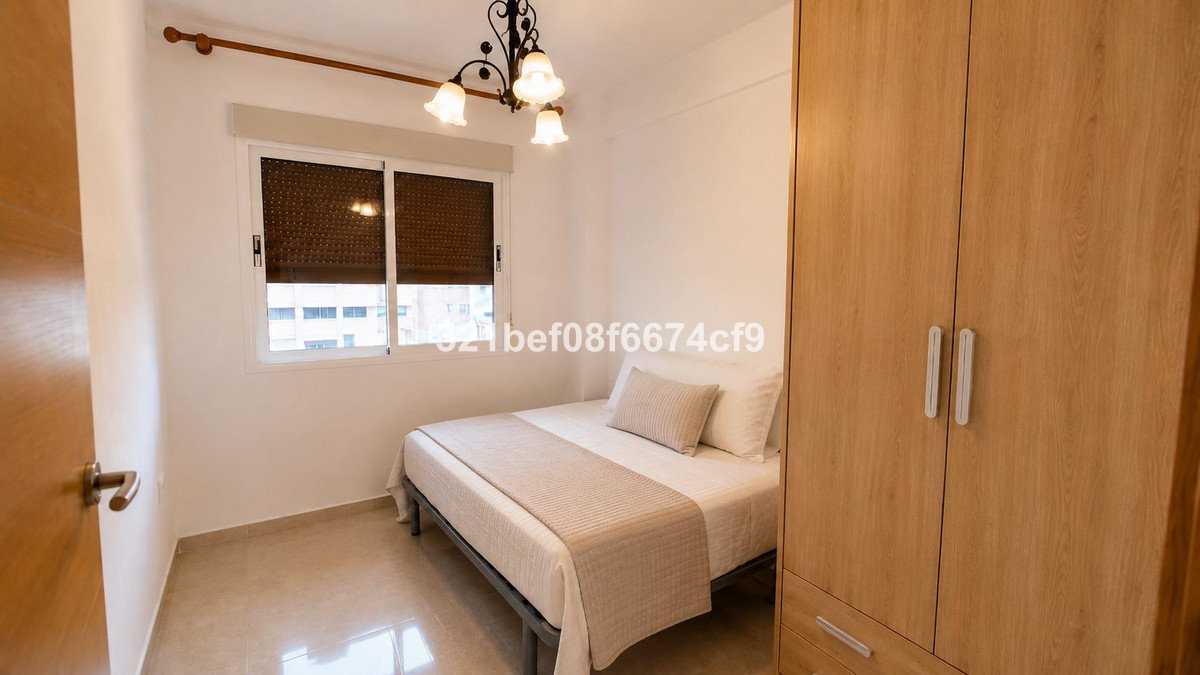
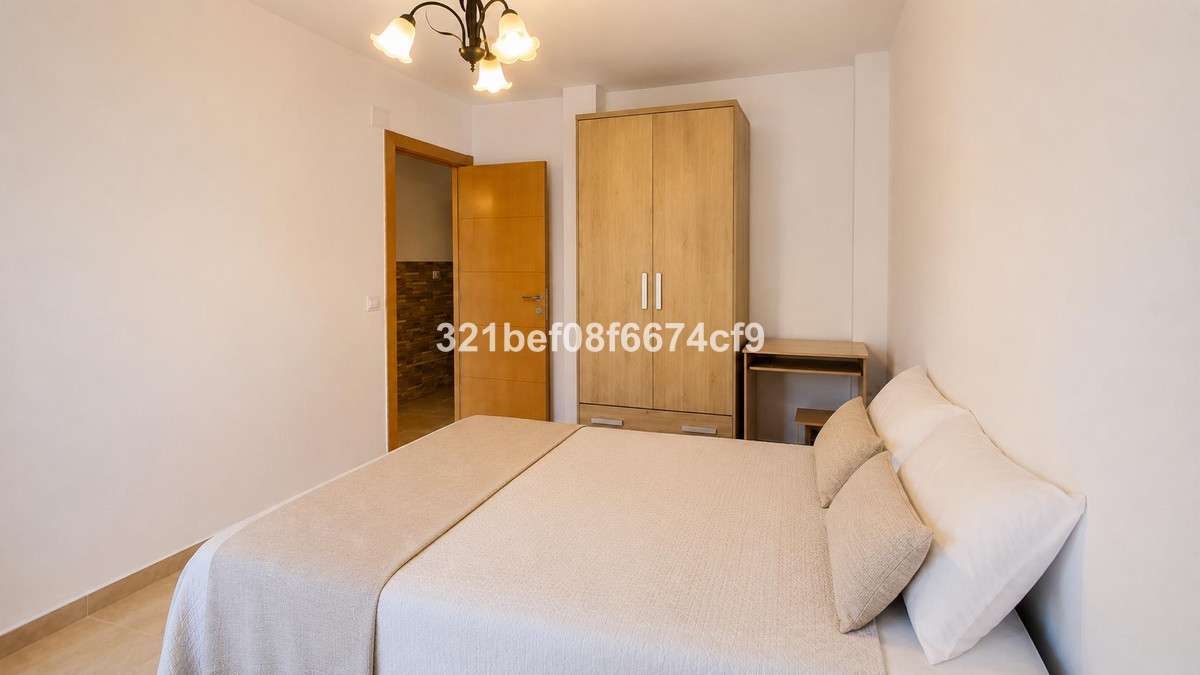
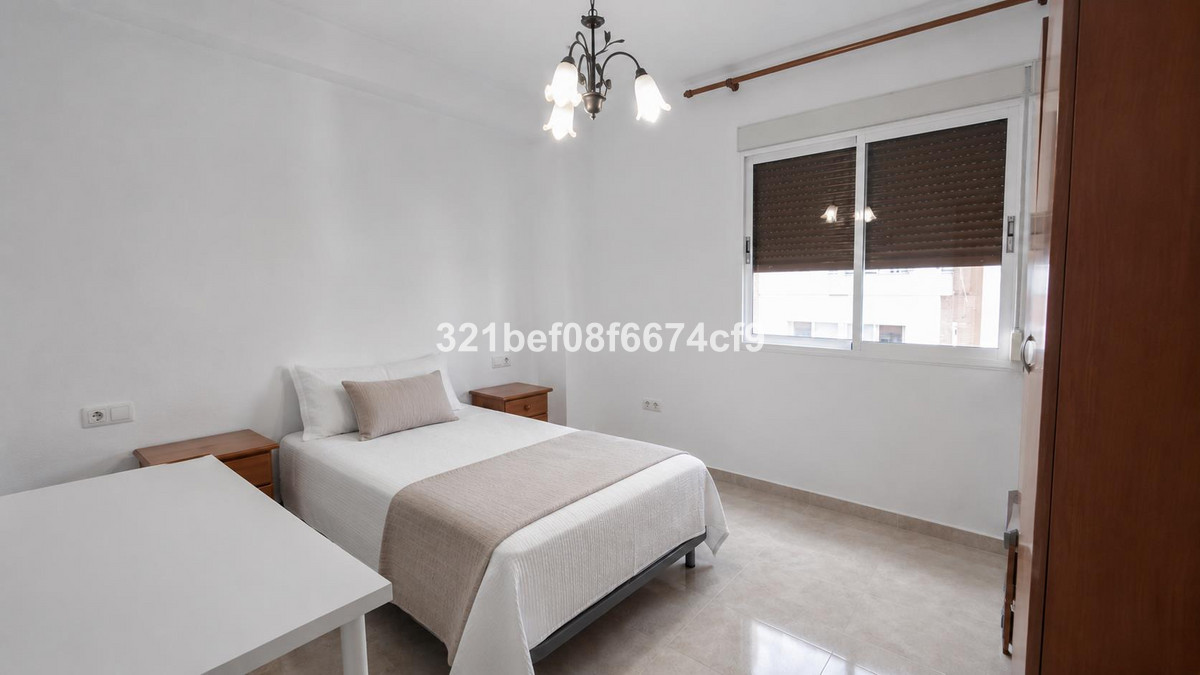
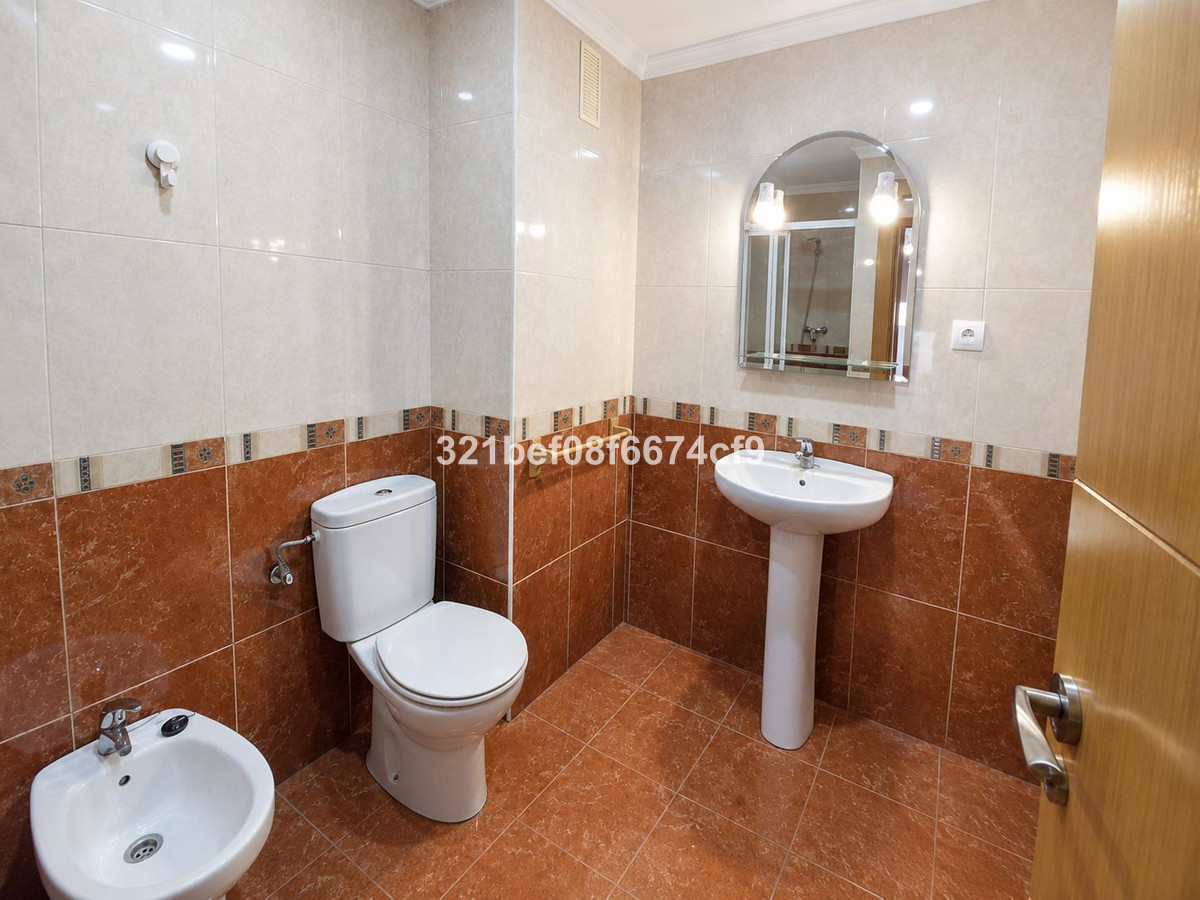
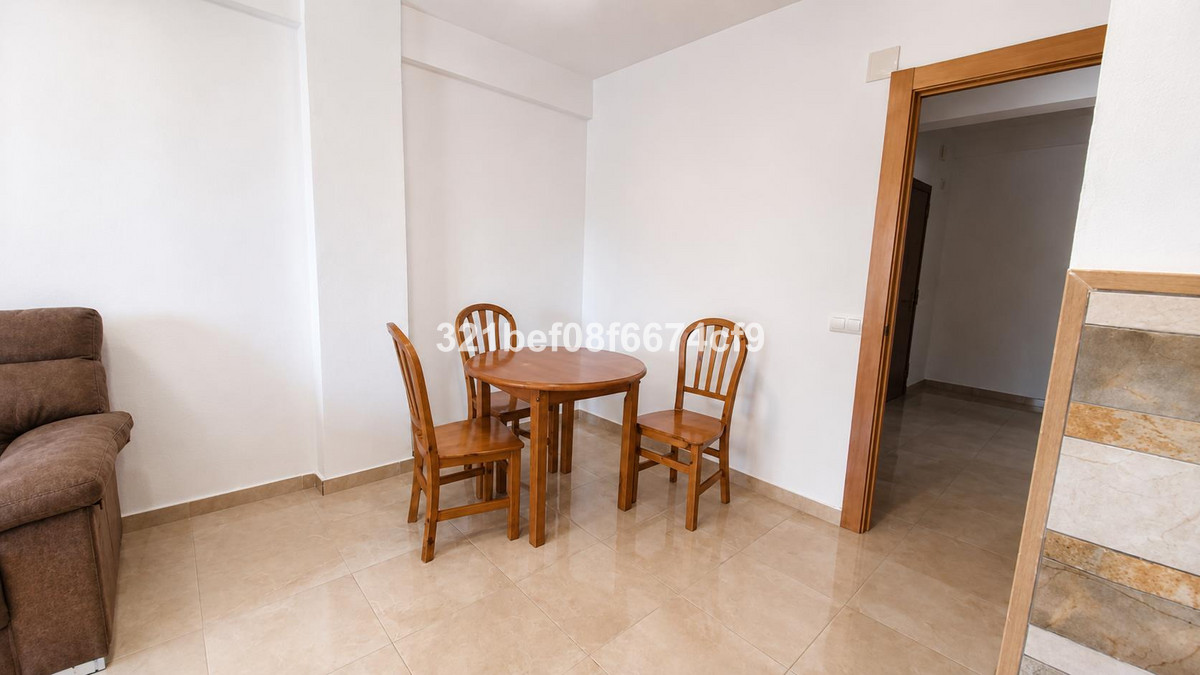
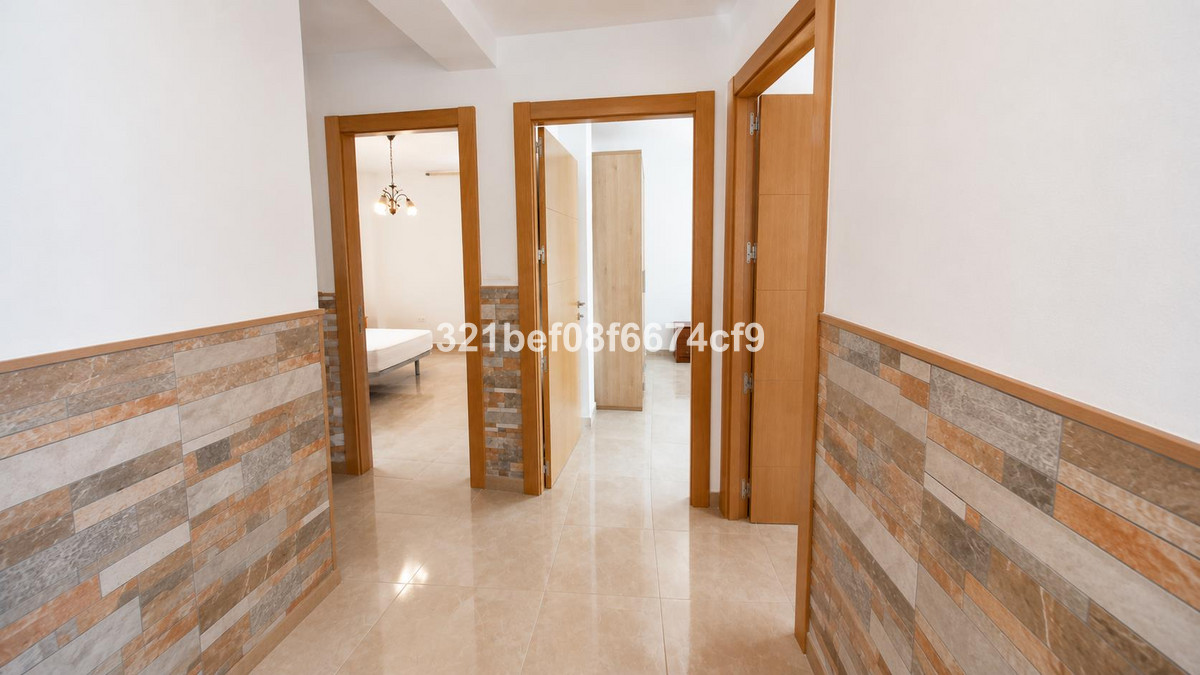
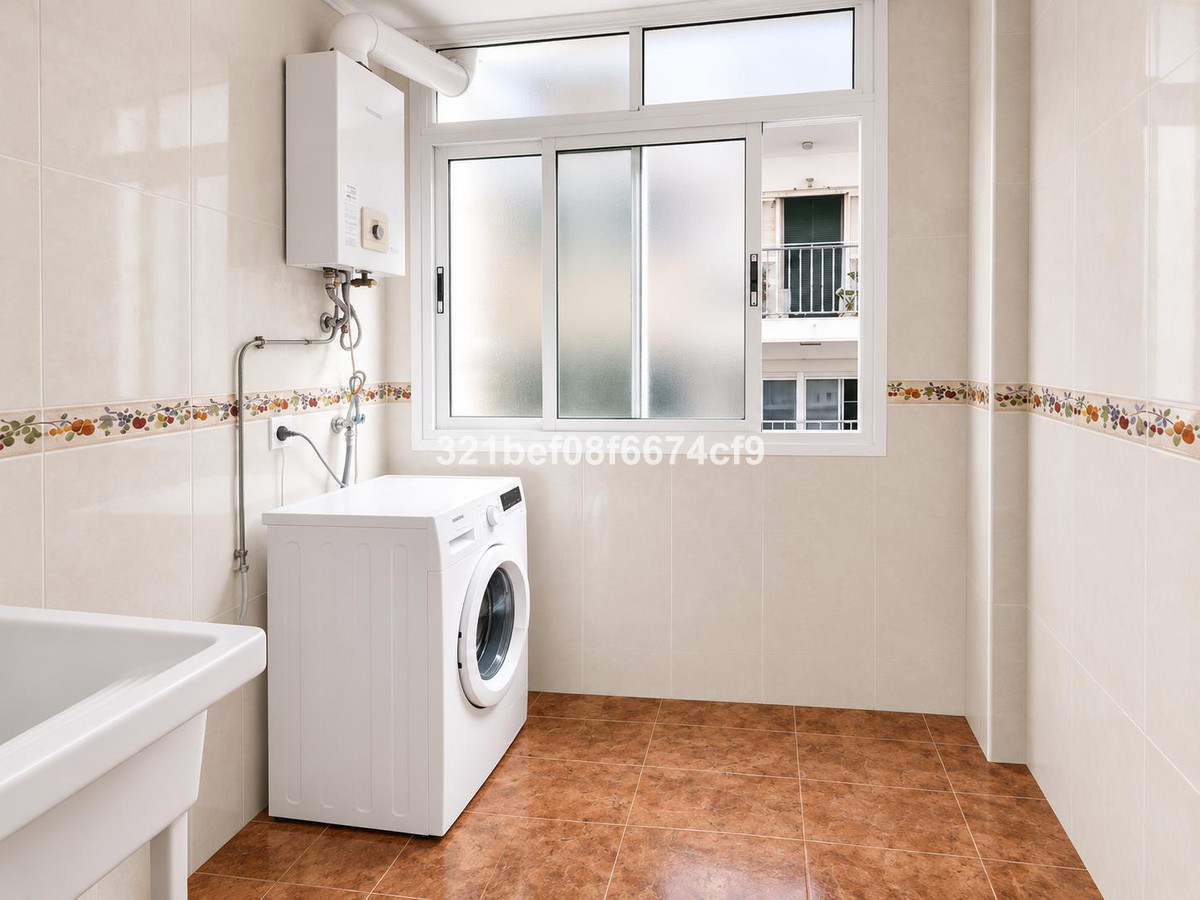
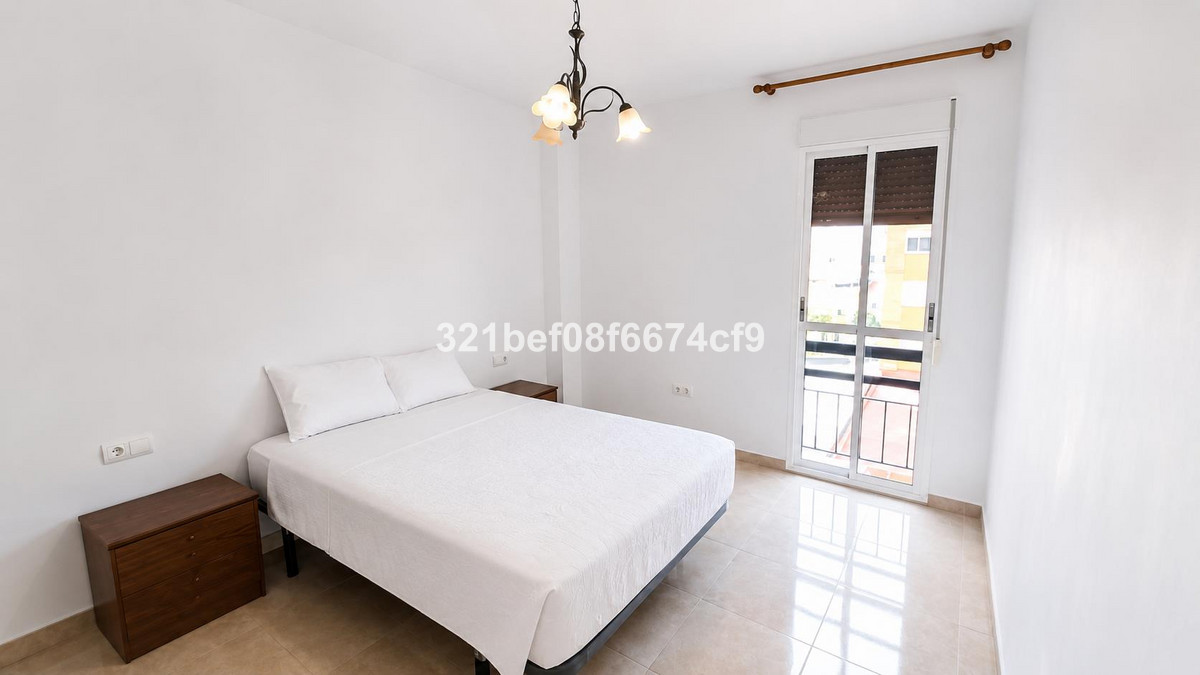
Featured Properties
See more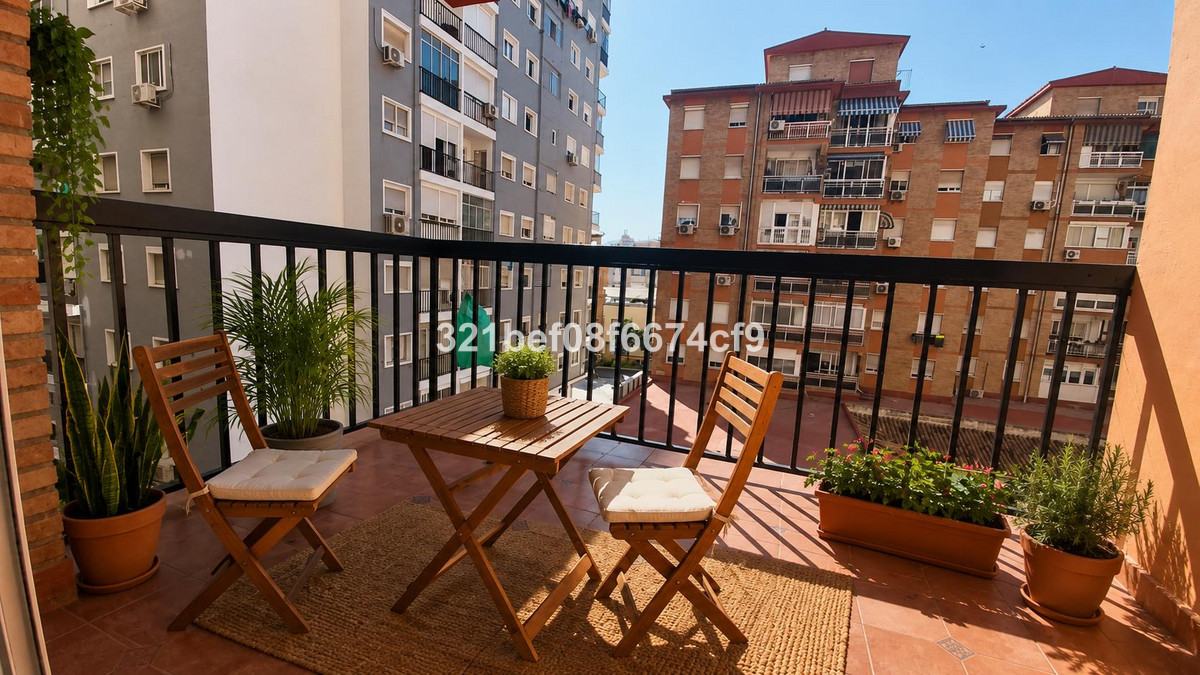
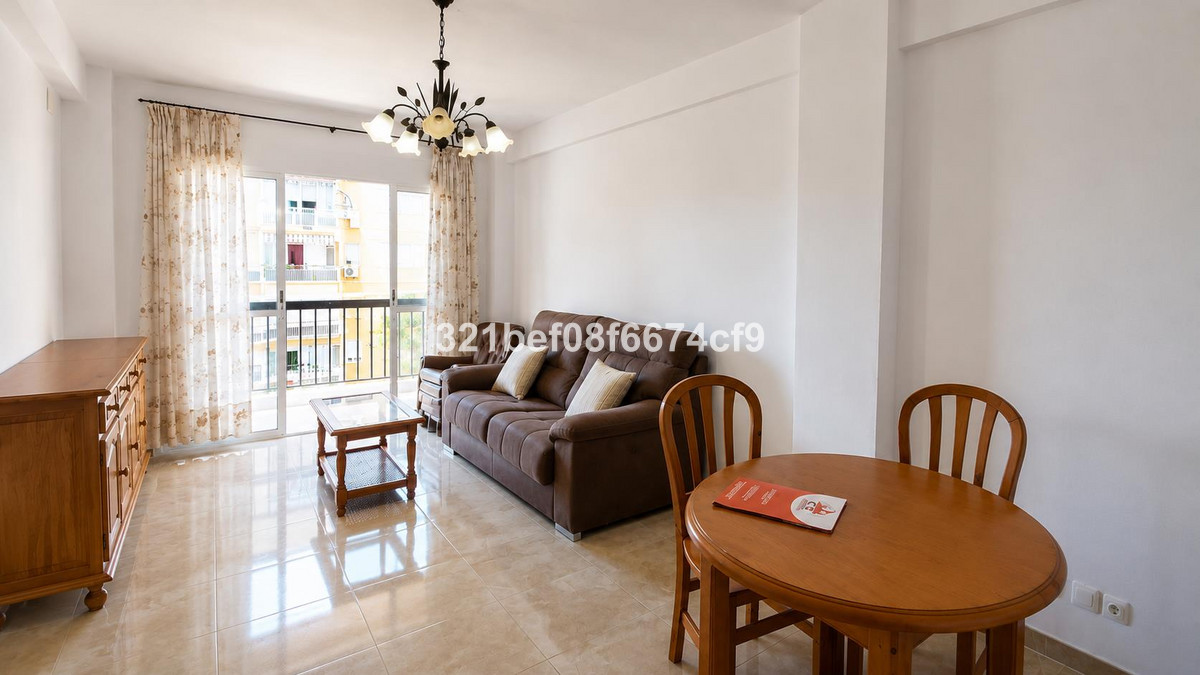
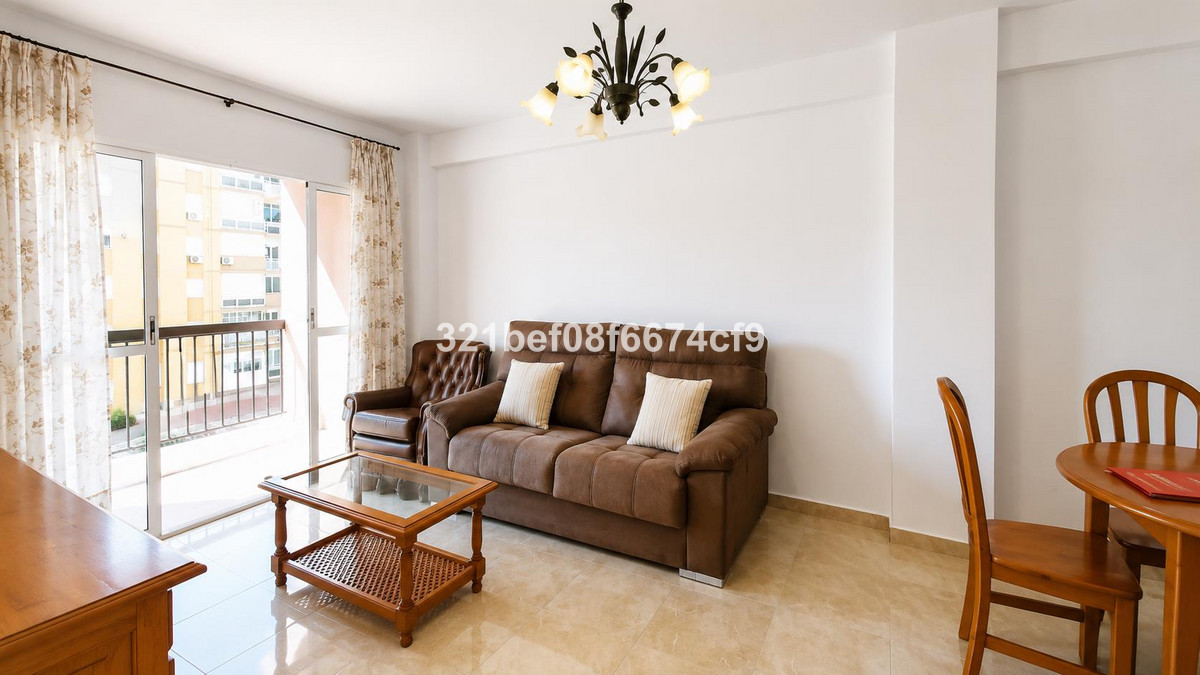
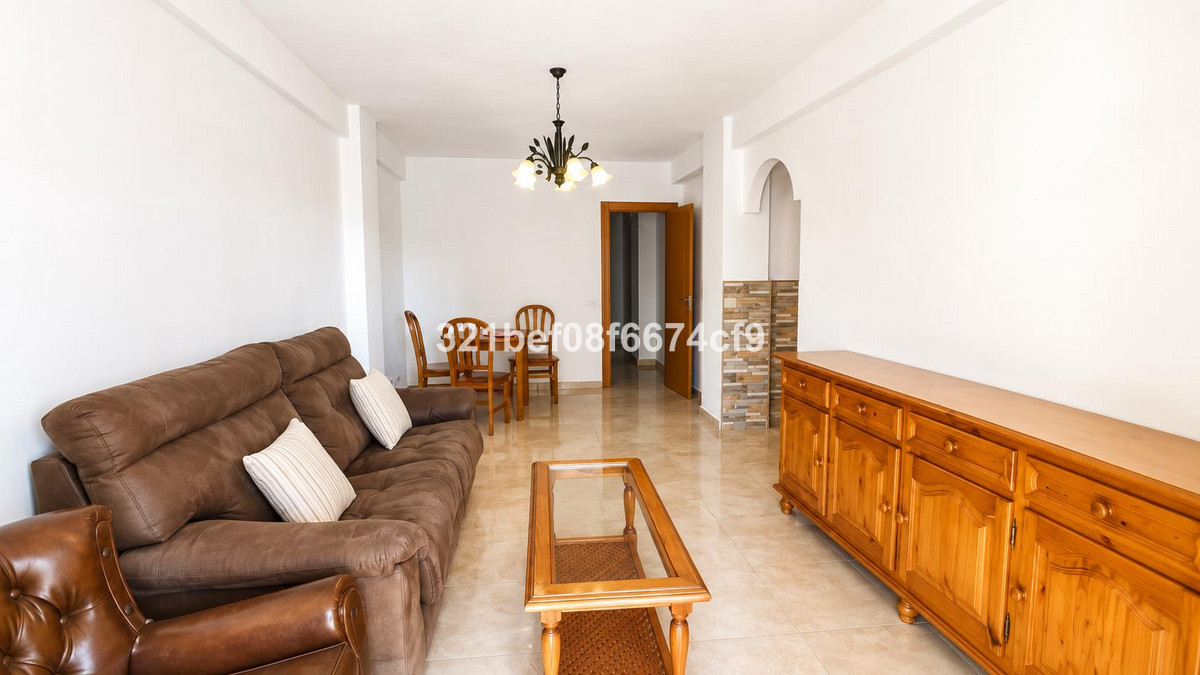
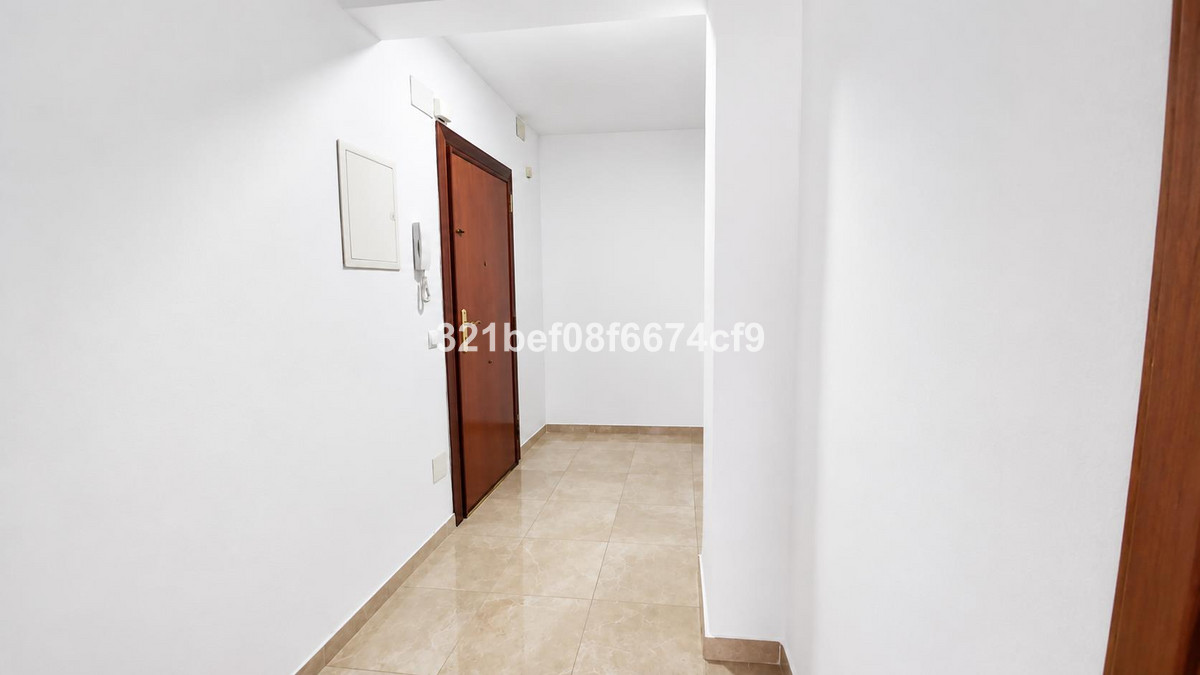
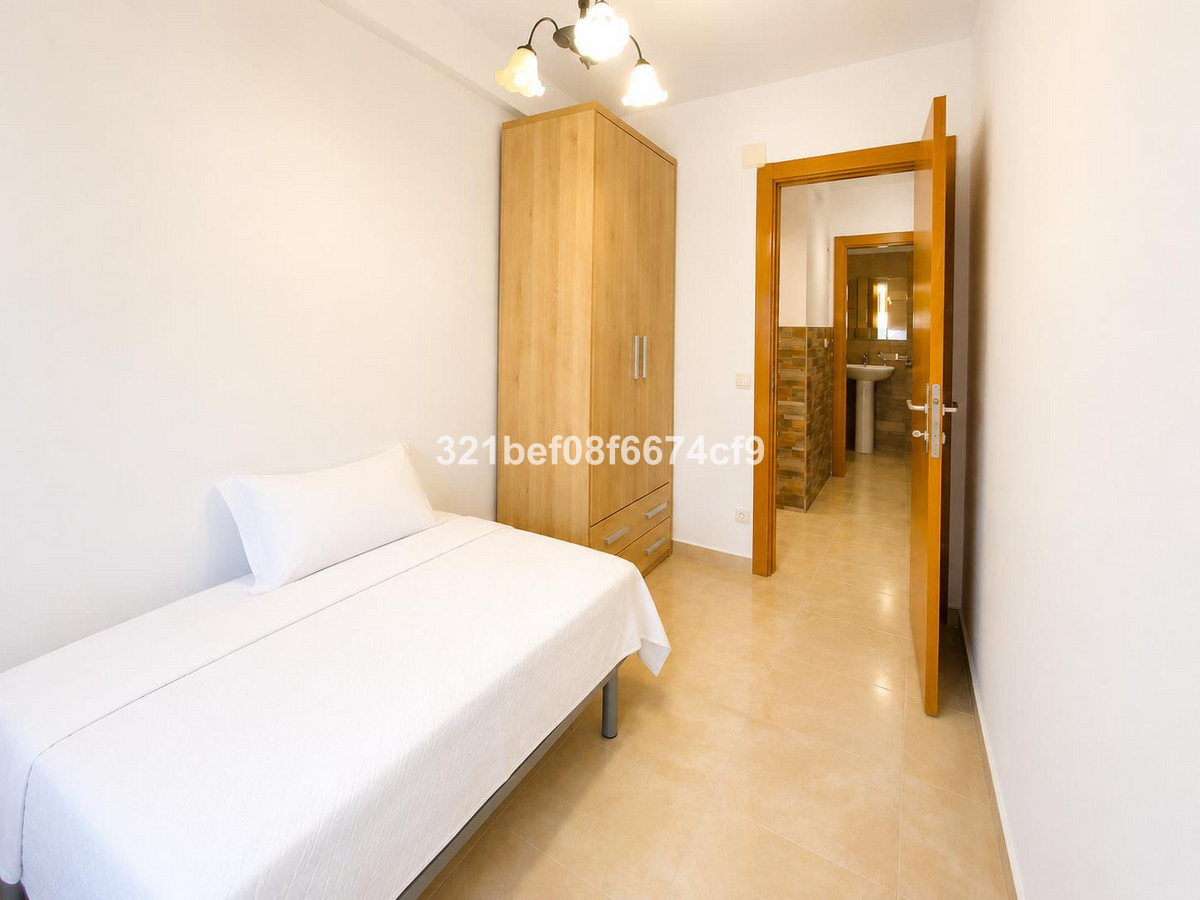
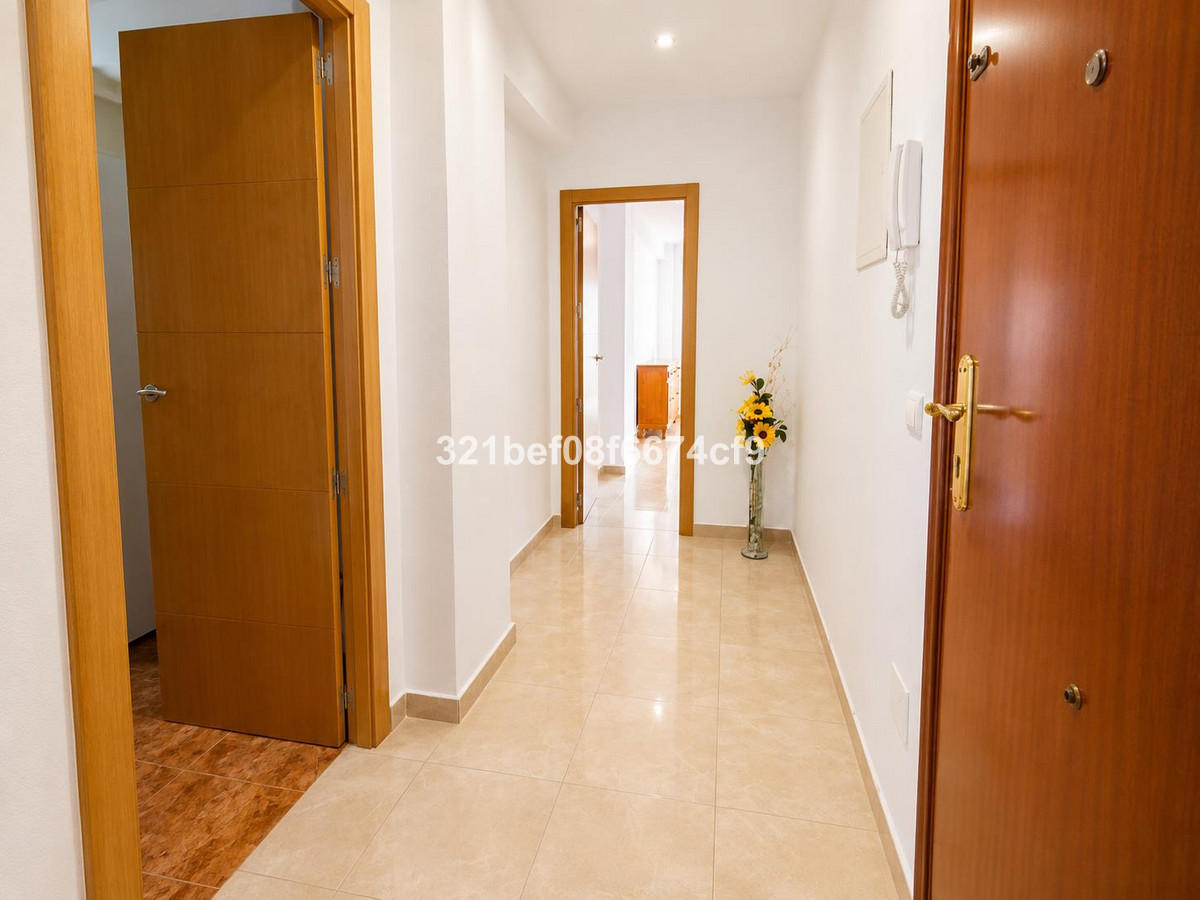
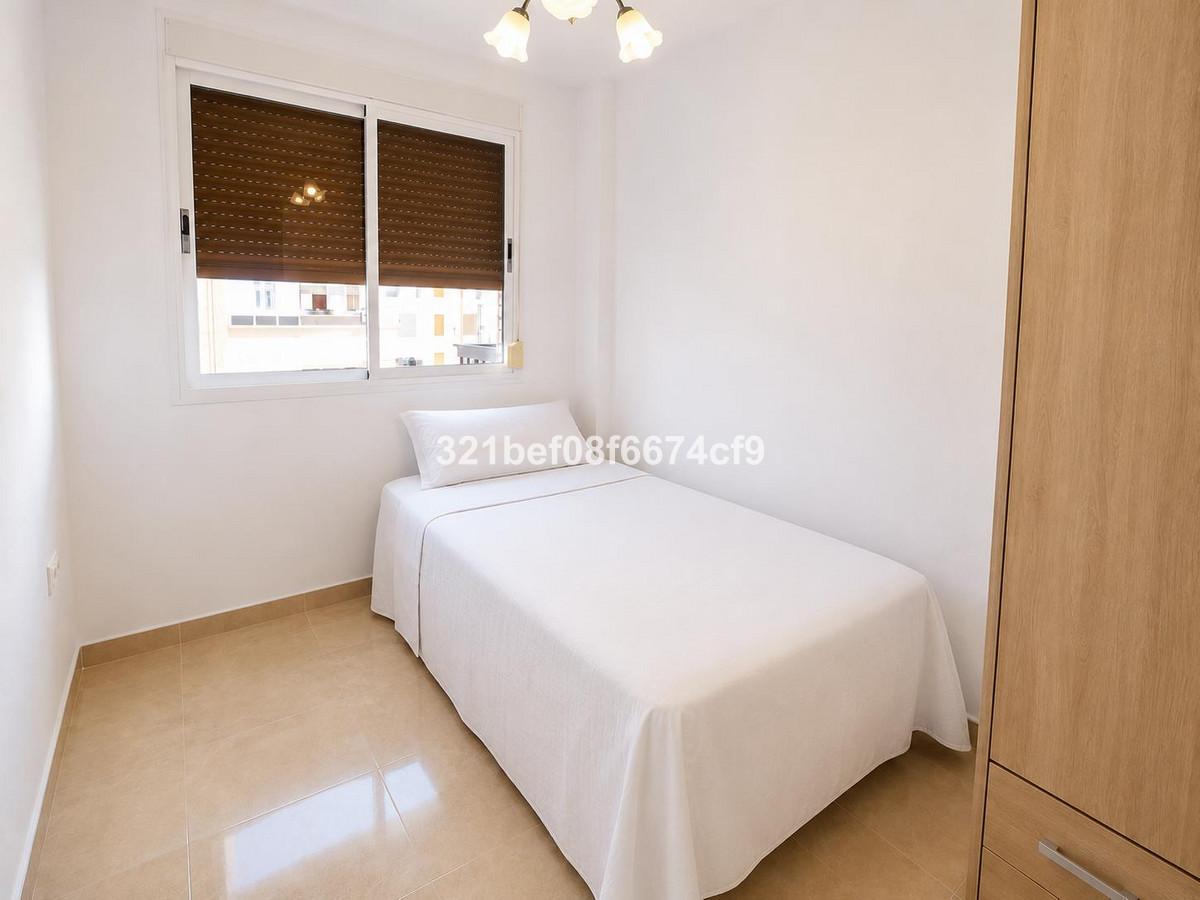
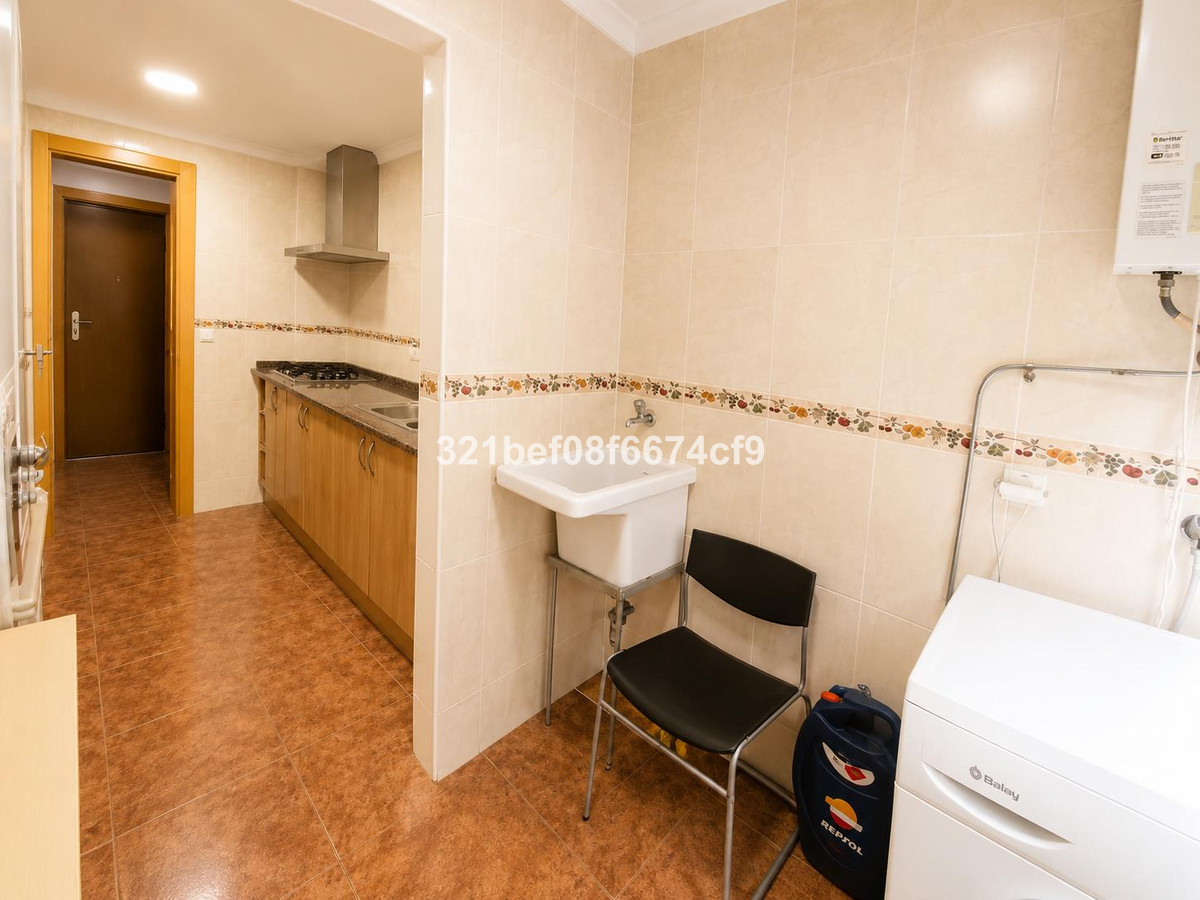
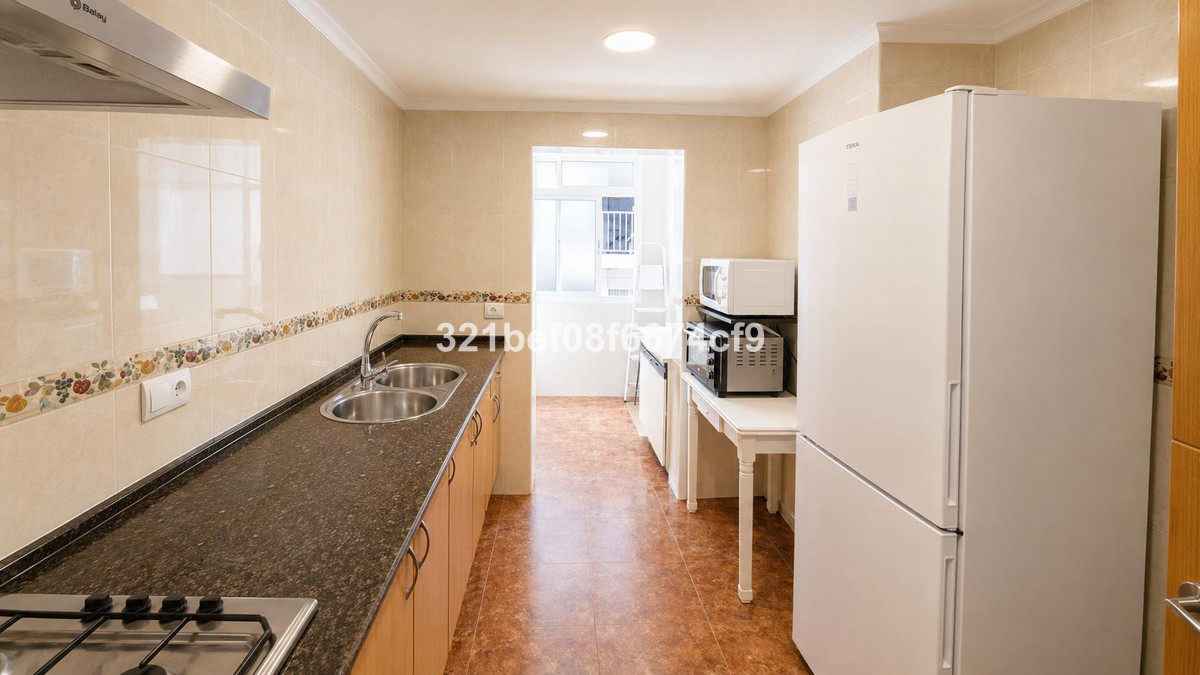
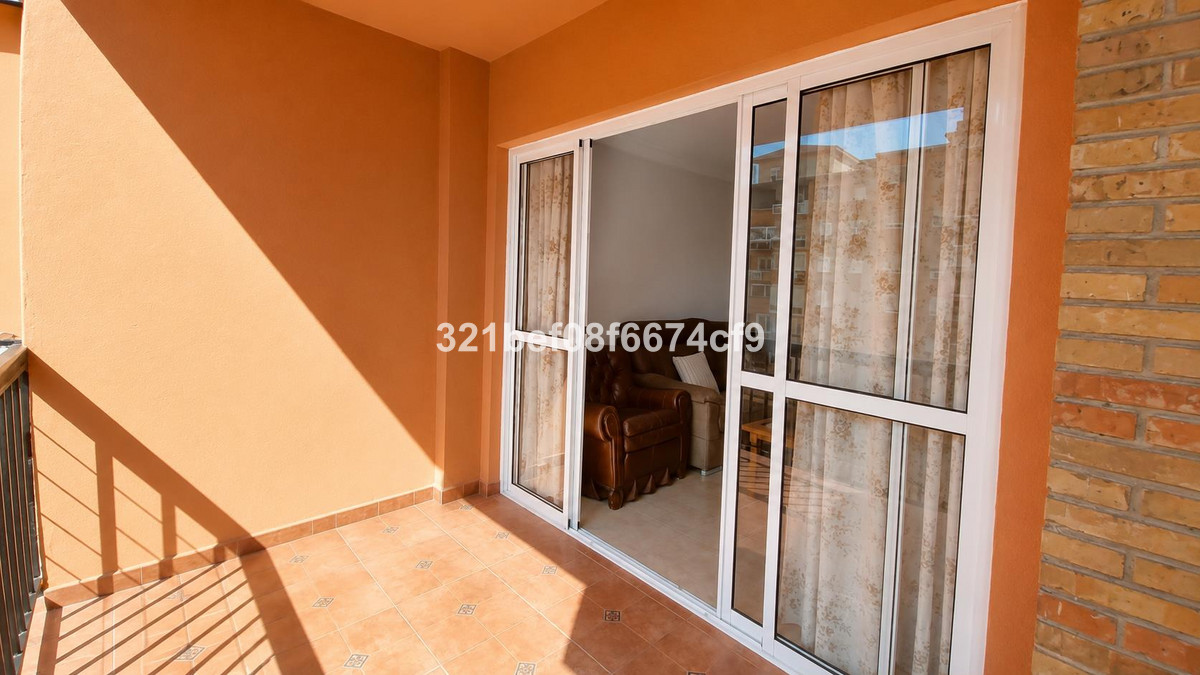
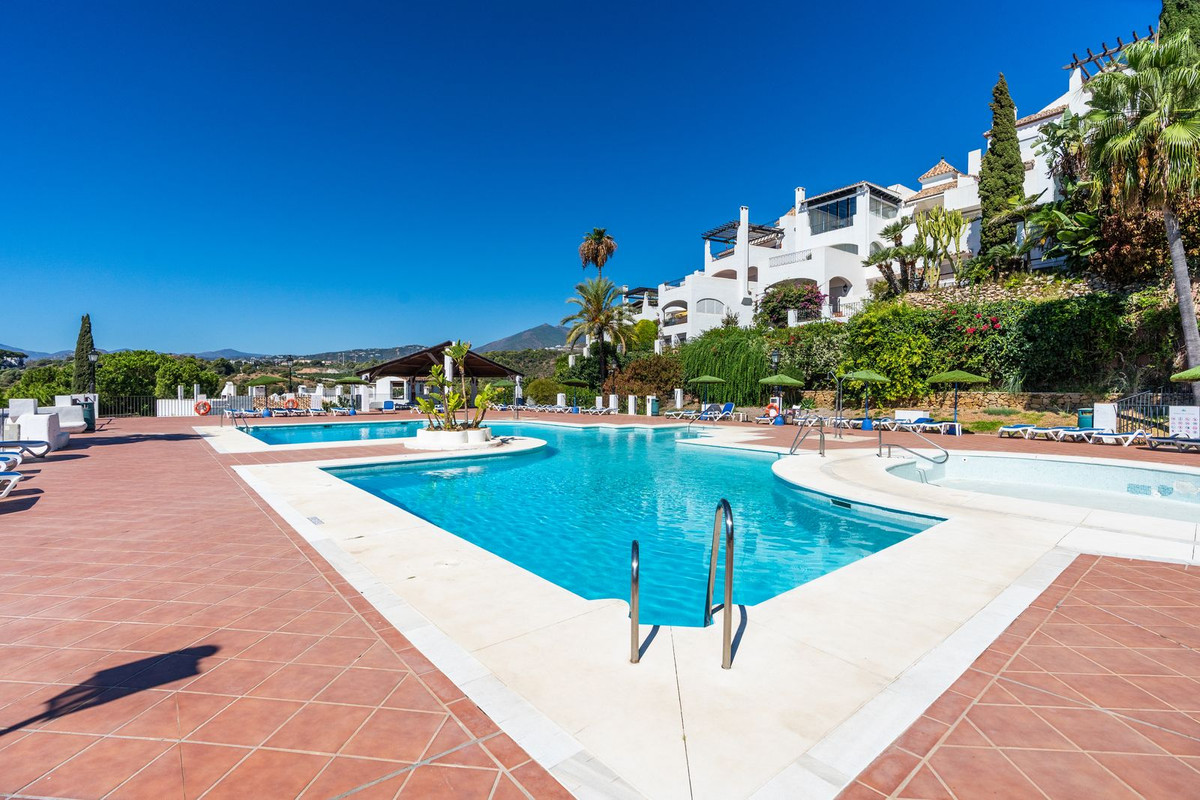
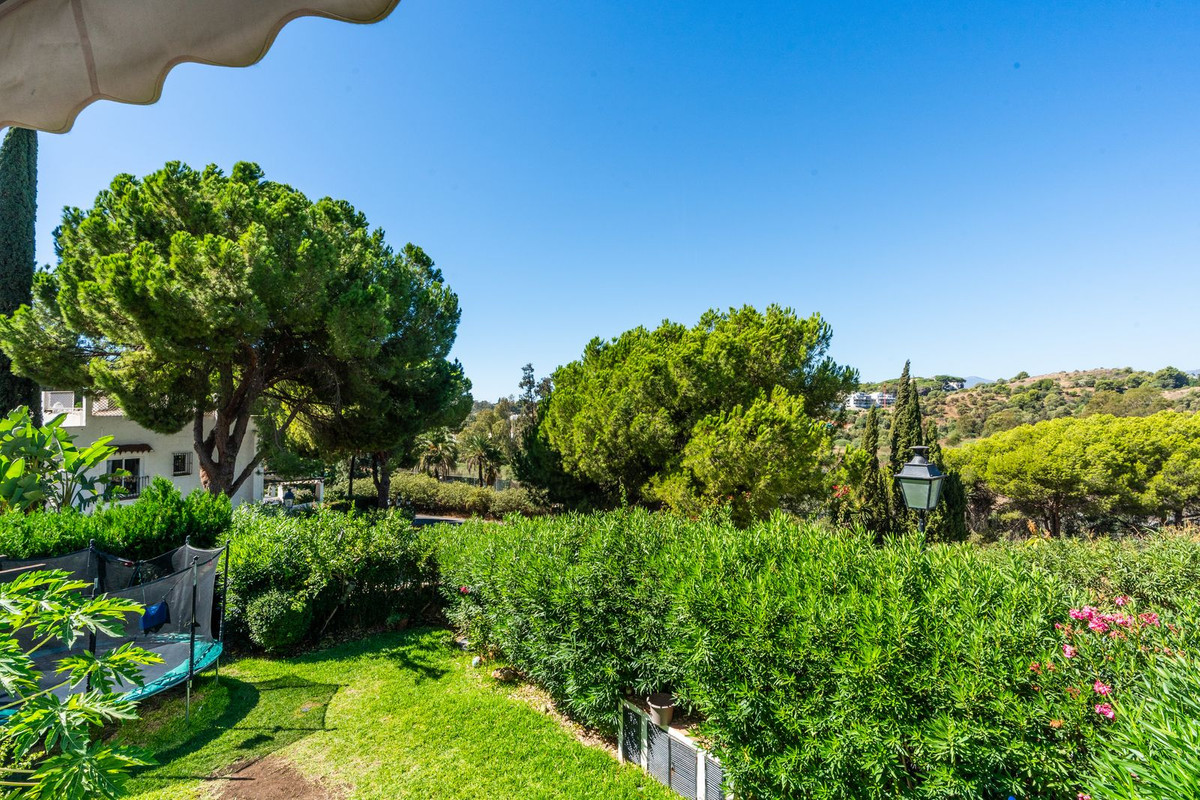










Holiday rentals can still be profitable, but only with a good strategy
Rentals can be divided into three main models:
- holiday – short-term, for days or weeks,
- seasonal – usually for several months,
- traditional – long-term, usually from one year upwards.

Holiday rentals can still generate the highest income, especially in locations with strong tourist traffic. However, this does not automatically mean the highest profitability. You must consider management costs, cleaning, utilities, marketing, booking platform commissions, furnishing, and periods without bookings.
Formalities are also important. Short-term rentals are subject to local regulations and require checking the rules in the specific autonomous community, municipality, and owners’ association. Before purchasing a property with a view to tourist rental, it is necessary to verify whether obtaining the required registrations or licenses is possible and whether the community statutes do not restrict this type of activity.
Rental prices and investment profitability in 2026
Demand for long-term rentals in Spain remains high, especially in large cities and coastal regions. This results both from the limited number of apartments available on the market and the increasing number of people coming to Spain for work, studies, or a longer stay.
At the same time, rising property purchase prices affect gross profitability. According to Idealista data, the average gross yield of residential investment in Spain was about 6.5% in Q2 2026. This remains attractive to many investors but is lower than in previous periods because purchase prices are rising faster than rents in some locations.
Therefore, when analyzing investments, one should not rely solely on the potential rental rate. Much more important is calculating net income after all costs and realistic occupancy of the property.
Remember! Investment in real estate must be profitable
Even an attractive purchase price does not yet mean a good investment. When choosing a property, estimating total profitability is key.
You should consider three groups of costs:
- Purchase costs – property price, taxes, notary, land registry, legal service, appraiser, and any loan-related costs.
- Property preparation costs – renovation, furnishing, furniture, air conditioning, refreshing the terrace or garden.
- Maintenance costs – community fees, property tax, utilities, insurance, cleaning, rental management, and ongoing repairs.
You must also remember taxes related to rental and possible resale of the property.
Income tax must be taken into account. An example of this could be capital gains tax if you bought the property intending a quick sale. In Spain, it ranges from 19% for residents and EU citizens to 23% for citizens of the rest of the world. So, for example, if you buy an apartment for €350,000 and sell it for €450,000, tax will be levied on €100,000 – minus transaction costs.
You should also remember the IRNR income tax – paid once a year by investors who are not residents in Spain. A different amount will be paid by an owner who rents out the apartment or house and earns from this, and a different one by someone who keeps the property only for personal use.
On the positive side, apart from money from sales or rental, there are various tax deductions. A person who is not a resident in Spain but is an EU citizen can deduct from tax items such as invoices for utilities (electricity, water, gas, internet), cleaning, or advertising expenses.
It is always worth consulting detailed settlements with a tax advisor familiar with the investor’s situation.
3 important tips for people investing in real estate in Spain in 2026
Do not delay your decision if the offer is really good. The best-priced properties in attractive locations still quickly disappear from the market. However, this does not mean giving up legal and technical analysis – it means acting efficiently with a well-prepared purchase process.
Do not expect large price negotiations. In 2026, owners of good properties know the value of their offers. Negotiations are possible, especially in the secondary market, but their scale depends on the condition of the property, exposure time of the offer, and the real price relation to the local market.
Plan your stay in Spain in advance. Contact your chosen agent earlier, define your budget, purchase purpose, and preferred locations. This way, property viewing will be focused, and the time spent onsite well utilized.
However, the most important remains one thing: investing in Spanish real estate makes sense when the decision is backed by numbers, knowledge of the local market, and a clear goal. In the current market situation, good properties still offer potential but require professional preparation and realistic calculation.
Important: because Polish investors have become an important player in the Spanish real estate market in recent years, various types of offices and “free shooters” have appeared here alongside them. Some are reliable people; others promise proverbial pears on the tree, counting on quick profit and an even quicker retreat. When choosing an agent, ask how long they have worked in the Spanish market and what experience they have here, then verify all the information they provide you with.
You will find more information regarding investing in real estate in Spain in our Dream Property Talks podcast – welcome!